
Lieferung heute & morgen

Qualitätsgarantie

Willkommens-Angebote freischalten: KOSTENLOSE Lieferung | Bis zu 80 % RABATT | Kostenlose 30-Tage-JoyPlus-Testphase
App herunterladen
Foam products vary considerably in their materials, firmness, dimensions and care requirements. A cold foam mattress for your bedroom has different requirements from a folding sleeping mat for camping or a jigsaw mat for a child’s room. If you focus only on thickness or a low price, you could end up with a mat that isn’t suitable for how you plan to use it, your bed frame or your body weight.
This buying guide explains which details really matter and which product features you should check carefully.
A thick mattress or a deep mattress topper may feel comfortable at first. But comfort also depends on foam density and structure, the bed base and the firmness rating. For a floor mat, the main considerations are whether it provides enough cushioning, stays in place and connects neatly to other mats.
Ratings such as H2 and H3 can be a useful guide, but they aren’t defined in the same way by every supplier. Your body weight, sleeping position and personal preference all affect how firm a mattress feels. So a mattress labelled H2/H3 may feel firmer to some people than to others. If a product has two sides, check which firmness rating applies to each side.
Not all foam products can go in the washing machine. Often, only the washable mattress cover can be removed, while the foam core should only be aired or spot-cleaned. For a camping mat, harsh cleaning products, strong UV exposure or damp storage can damage the material and its coating.
Cold foam has a more open structure than many basic standard foams and is often used in mattresses and toppers. Check the following:
A 7-zone mattress divides the sleeping surface into areas with different contours. This design can affect pressure distribution, but it doesn’t replace checking the size, firmness and bed base to make sure they suit you.
EVA foam is often used for floor mats. It’s lightweight and flexible, and can be laid as an interlocking system. For children’s areas, also check information about the material, odour, cleaning, finished edges and intended use. An EVA foam mat isn’t automatically suitable as fall protection for every height or activity.
Measure the area you’ll actually use before buying:
The Mobi Garden sleeping mat measures 183 × 63 × 2.6 cm when unfolded and weighs approximately 750 g, according to the product details. Its packed size is around 16 × 63 cm. This is worth planning for on a backpacking trip, while a larger sleeping area may be more important in a permanent guest room.
A zip on the cover makes it easier to care for. According to the product descriptions, the 7-zone cold foam mattresses in this range are delivered rolled up and should expand within 24 to 48 hours of unpacking. The foam core must not be washed. The covers on the models listed can be washed at up to 60 °C.
Mats need different care: remove sand, dust and moisture. Make sure a camping mat is completely dry before storing it. Check the joins on a jigsaw mat regularly for gaps and raised edges. In children’s areas, place the mat on a clean, level floor and keep it away from naked flames.
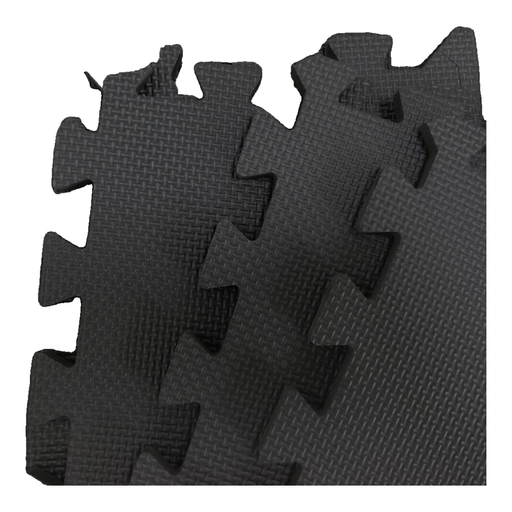
Why this product suits this profile: Six square EVA foam tiles with interlocking edges are ideal for smaller play, yoga or exercise areas that you can expand over time.
The individual tiles can be connected and separated again. Before buying, check that six tiles will cover the area you have in mind.
EVA foam, interlocking edges and ten edge strips, according to the product details; designed for indoor use and easy to assemble.
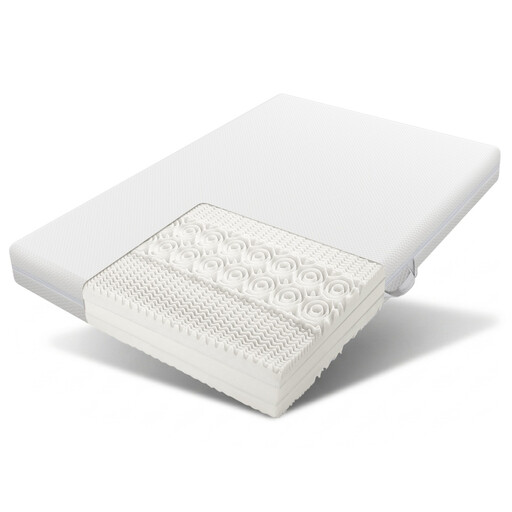
Why this product suits this profile: This mattress measures 180 × 200 cm, is 20 cm high and features seven zones and two stated firmness levels in one product.
The product details specify a cover washable at up to 60 °C, fabric turning handles and a weight limit of 200 kg. This makes it easier to check whether it meets your needs before buying.
Washable cover with a zip all the way around, reversible design and non-slip underside, according to the product description.
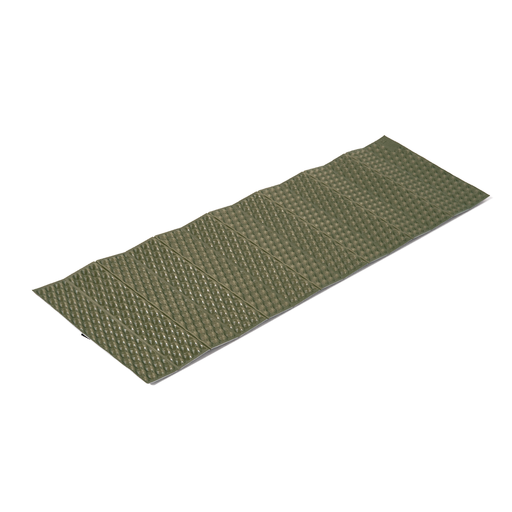
Why this product suits this profile: This folding camping mat is designed to be lightweight and compact, making it suitable for campsites, backpacking trips and picnics.
The product details recommend cleaning with a damp cloth, protecting the mat from sharp objects and drying it completely before storage.
XPE foam core, water-repellent polyester surface, usable on both sides and an R-value of 2.6, according to the product details.
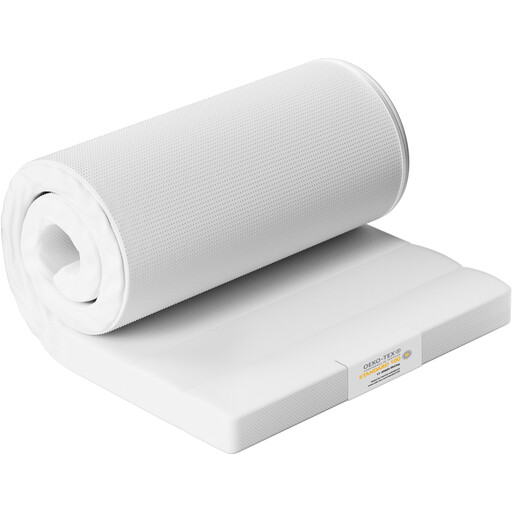
Why this product suits this profile: This 7 cm cold foam topper is designed for single beds, children’s and teenagers’ beds, guest accommodation, and camping or motorhome use.
The product details specify a removable cover, machine washing at up to 40 °C and a non-slip underside. Check the dimensions against the surface you plan to use it on before buying.
90 × 200 cm, 7 cm high, H2 rating, 7-zone construction and washable cover, according to the product description.
We’ve put together a complete, regularly updated list of products that meet these strict selection criteria and fully comply with the safety regulations in force in the EU.
Its lifespan depends on factors such as foam density, how much weight it supports, the bed base, room conditions and care. Turning it regularly, airing it properly and using a suitable slatted base can help it wear evenly. Without specific information about the materials, it isn’t possible to give a reliable general estimate of how long it will last.
A topper mainly changes how a mattress feels, making the surface seem softer or slightly firmer. It won’t replace a mattress with a permanently sagging core, damaged areas or the wrong dimensions. Check the height, base and fit before buying.
For an EVA foam mat, a mild, damp cloth is usually enough, unless the product instructions say otherwise. Don’t leave the foam soaking wet. After use, remove sand and dirt from a camping mat, let it dry completely and store it loosely or as instructed by the manufacturer.