
Lieferung heute & morgen

Qualitätsgarantie

Willkommens-Angebote freischalten: KOSTENLOSE Lieferung | Bis zu 80 % RABATT | Kostenlose 30-Tage-JoyPlus-Testphase
App herunterladen
The term "foam product" covers a wide range of items, from a lightweight shower foam and a pore-refining facial cleansing foam to a volumising styling mousse. The airy texture is often a key selling point, but not all foam products live up to their packaging's promises. Many consumers find that their chosen foam dries out their skin, weighs down their hair, or dissolves instantly in water.
This guide is here to help. We'll highlight the most common purchasing pitfalls and explain the key parameters to look for, ensuring you find a product that performs reliably—without any unwanted side effects.
Before you make a purchase, it's helpful to understand the typical weaknesses often hidden behind appealing marketing.
To avoid these problems, you should focus on a few key technical parameters. These provide insight into the true quality and suitability of a product.
The type of surfactant (cleansing agent) used is the most important indicator of a cleansing product's mildness.
A foam is more than just air and water. The additional active ingredients determine its function.
The term "foam" is also found in products like a foam mat or a foam roller. In this case, it's not the chemical composition but the physical density and material that matter. A foam roller made of high-density PE foam provides intense pressure for deep tissue massage, while a softer mat is intended for yoga or as a base for fitness equipment.
Based on the criteria mentioned, we have identified some products that are well-suited for specific needs and user profiles.
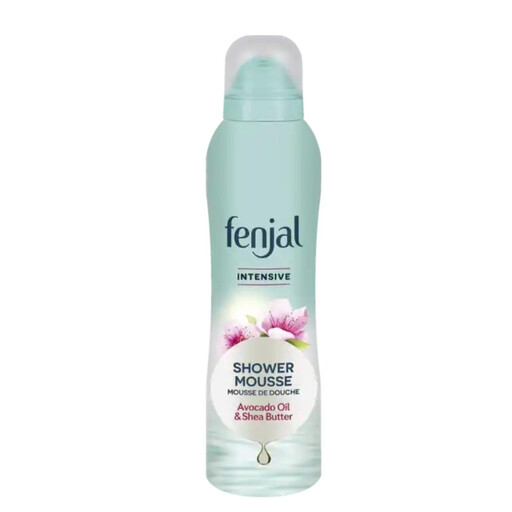
Why This Fits Their Persona: Ideal for users who want a daily cleanser that doesn't stress the skin. The formula is designed for gentle care and is suitable for regular use.
According to the manufacturer, the vegan formula is free from parabens, mineral oils, silicones, and microplastics, thus avoiding the pitfall of harsh or unnecessary additives.
Combines cleansing with a nourishing feel. The foam is designed for use on wet skin and is easy to spread and rinse off.
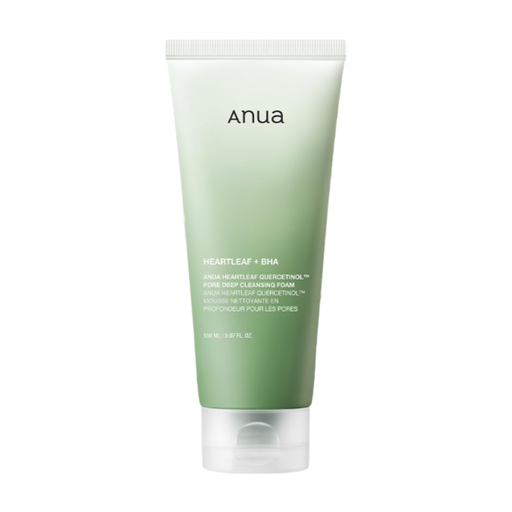
Why This Fits Their Persona: Suitable for individuals with oily, sensitive, or blemish-prone skin who are looking for a deep pore cleanse without drying out the skin.
The formula is based on the mild surfactant Sodium Cocoyl Glycinate and, according to the manufacturer, is free from sulphates and alcohol. This prevents the skin from drying out, a common problem with cleansers for oily skin.
Contains specific active ingredients like Heartleaf Extract and Quercetinol to soothe the skin and refine pores. The dense micro-foam provides a thorough cleanse.
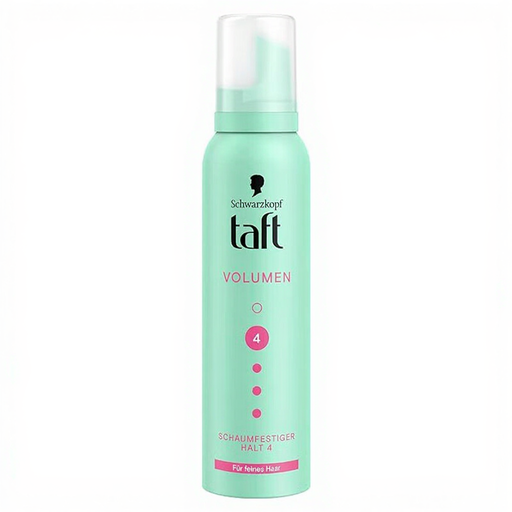
Why This Fits Their Persona: Designed for individuals with fine or thinning hair who want long-lasting volume and a strong hold without weighing down or sticking the hair together.
The formula is designed to create volume without leaving residue. This counteracts the common problem of styling products making fine hair look flat and heavy.
Provides hold level 5 for long-lasting support and, according to the manufacturer, also protects hair from blow-dryer heat, wind, and humidity.
We have compiled a complete, up-to-date list of products that fully meet these strict selection criteria and comply with current safety regulations.
1. How can I identify a mild cleansing foam? Check the ingredient list on the back of the product. Formulas that start with surfactants like Coco-Glucoside, Sodium Cocoyl Isethionate, or Sodium Cocoyl Glycinate are generally milder than those that list Sodium Laureth Sulfate (SLES) first. A "sulphate-free" claim is also a good sign.
2. Are foam products suitable for sensitive skin? Yes, as long as the formula is right. Look for products explicitly labelled "for sensitive skin" that avoid known irritants like alcohol, synthetic fragrances, and harsh surfactants. Ingredients such as Panthenol, Allantoin, or Heartleaf extract can also have a soothing effect.
3. How long does the volume from a styling mousse last? The longevity of the volume depends on the product's hold level (often indicated on a scale of 1 to 5) and your hair texture. A styling mousse with a high hold level (e.g., 4 or 5) should maintain volume for up to 24 hours. For best results, apply the mousse to towel-dried hair and blow-dry, ideally upside down or with a round brush.