
Lieferung heute & morgen

Qualitätsgarantie

Willkommens-Angebote freischalten: KOSTENLOSE Lieferung | Bis zu 80 % RABATT | Kostenlose 30-Tage-JoyPlus-Testphase
App herunterladen
A foam roller, often called a massage roller, has become an essential tool for recovery and self-massage. But the market is crowded, and not every product lives up to its promises. Many buyers invest in a roller that is either ill-suited for their needs or quickly loses its effectiveness. Before you make a decision, it's important to know the most common pitfalls.
The 3 Most Common Mistakes When Buying a Foam Roller:
To make an informed purchasing decision, you should focus on objective and verifiable product features. These three criteria are crucial for the functionality and longevity of your foam roller.
The hardness level is the most important selection criterion and should be matched to your individual pain tolerance and experience.
The dimensions of the roller determine its primary use case.
The surface affects the type of massage.
Here are some product recommendations tailored to specific user profiles and their needs.
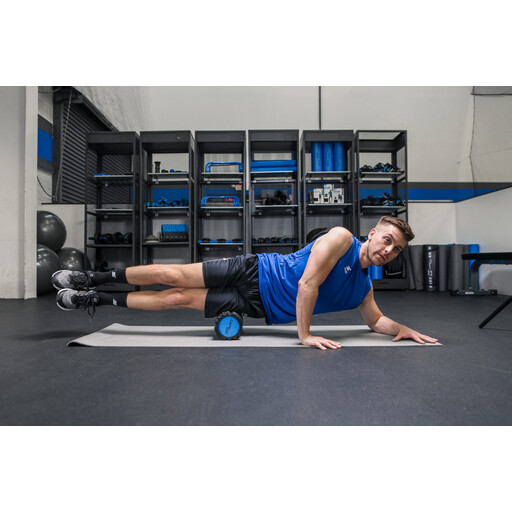
Why This Fits Their Persona: Ideal for individuals seeking a compact solution for the gym, office, or travel. Its 30 cm (12-inch) length is perfect for targeting specific muscle groups like calves, thighs, or arms.
The high-density material prevents it from deforming and ensures effective, consistent pressure, unlike rollers that are too soft. Its compact size is a deliberate choice for portability, avoiding the mistake of buying a cumbersome roller for on-the-go use.
Lightweight and portable: Fits in any gym bag. High density: Provides intense pressure for effective myofascial release.

Why This Fits Their Persona: Suitable for users looking for an all-round solution for home use. The 61 cm (24-inch) length is ample for comfortably and effectively working the back and other large muscle groups like the hamstrings.
This roller avoids the "too short for the back" mistake many people make with 30 cm rollers. Its robust, high-density construction ensures it retains its shape and effectiveness even with regular use.
Versatile length: Optimal for use on large muscle groups. Robust construction: Durable material for long-term use.
We have compiled a complete, up-to-date list of products that fully meet these strict selection criteria and safety regulations.
For post-workout recovery, a 5–10 minute session per muscle group can be beneficial. To improve general mobility, the roller can also be used for short sessions on non-training days. It's important to listen to your body's signals and reduce the intensity or take a break if you experience sharp pain.
Beginners should start with a low to medium-density roller. Starting with too firm a roller can be painful and cause the muscles to tense up rather than relax. Once your body gets used to the pressure and your pain sensitivity decreases, you can switch to a firmer model.
A back roller can help with the self-massage of muscle tension in the back and shoulder area, which is a common contributor to back pain. By rolling out the erector spinae muscles (do not roll directly on the spine!), you can promote blood circulation and loosen the muscles. However, for persistent or acute pain, you should always consult a doctor or physical therapist to determine the cause. Use is at your own risk.