
Lieferung heute & morgen

Qualitätsgarantie

Willkommens-Angebote freischalten: KOSTENLOSE Lieferung | Bis zu 80 % RABATT | Kostenlose 30-Tage-JoyPlus-Testphase
App herunterladen
By Joybuy Product Recommendation Officer, July 16, 2026
Whether it's muscle tension after a long day at work, soreness after a workout, or the desire to improve your flexibility, many people are looking for effective methods of self-massage. A foam roller, also known as a massage roller, is a popular tool used to support muscle recovery and provide targeted relief for tension.
However, the wide array of models can be overwhelming. This article serves as a guide to help you navigate the options. It explains the key differences between various types and presents a selection of products to make it easier for you to choose the right tool for your foam rolling routine.
To find the right product, it's helpful to understand three fundamental features: hardness level, surface texture, and design. These factors determine a roller's intended use and suitability for different experience levels.
The hardness of a foam roller directly influences the amount of pressure applied to the muscle tissue.
The surface of a yoga roller or massage roller can be either smooth or textured.
Foam rollers come in various shapes and sizes, optimized for different parts of the body.
Based on the criteria above, we have compiled a selection of products that cater to different needs.

Why it stands out: With a length of 61 cm and a high density, this massage roller is designed for large-area, intensive use. The PVC and PE material ensures it retains its shape even under high pressure.
Pros:
Best for: Athletes, yoga and Pilates practitioners, and individuals seeking an intense massage for large muscle groups like the back, glutes, and thighs.
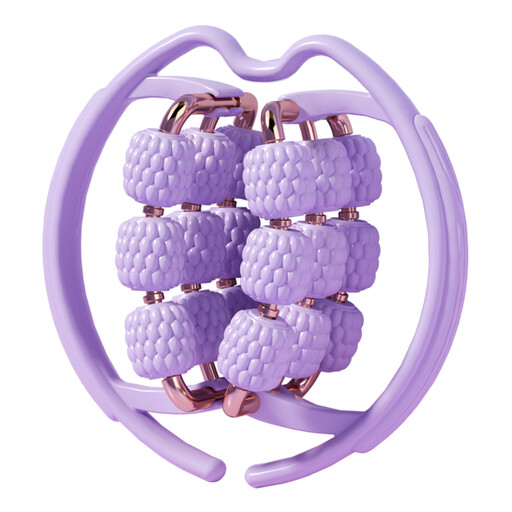
Why it stands out: This massage stick features 18 individual rollers that move independently. The design allows for a targeted and adaptable massage of muscle fibers on the arms, thighs, and neck.
Pros:
Best for: Individuals looking for targeted trigger point massage for easily accessible muscles like calves, quads, or arms, and who want to control the intensity themselves.
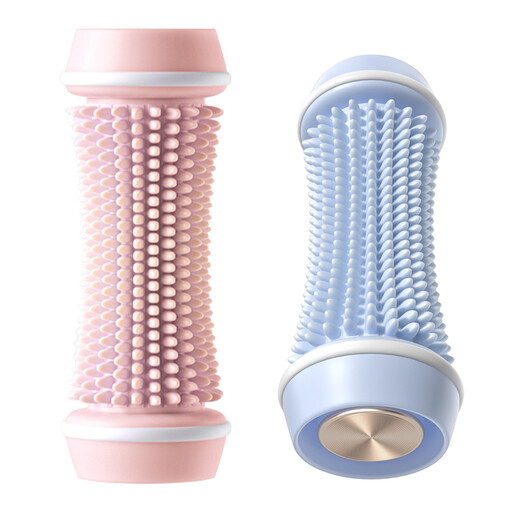
Why it stands out: This compact foot massage roller is specially shaped for the anatomy of the foot arch. Its textured surface is designed to release tension in the sole of the foot.
Pros:
Best for: Runners, people who work on their feet, or anyone suffering from tired feet or tension in the plantar fascia.
Haven't found the right product for you yet, or want to explore more alternatives for your foam rolling routine? There is a wide variety of tools tailored to different needs.
Explore our full range of sport rollers and find the perfect tool for your foam rolling routine.
A foam roller can help release tension in the back muscles, which often contributes to back pain. By slowly rolling over the upper and middle back, you can promote blood circulation and loosen the muscles. It is important not to roll directly on the spine, but rather on the muscle strands to the left and right of it. For persistent or severe pain, however, you should always consult a doctor or physical therapist.
The frequency of use depends on individual sensitivity and fitness level. As a general guideline, using it 2-3 times a week for 10-15 minutes each time can be beneficial. After intense workouts, a short session can help promote muscle recovery. It's important to listen to your body's signals and reduce the intensity or take a break if you experience pain.
For beginners, a foam roller with a soft to medium hardness level is recommended. A softer roller exerts less pressure and allows the body to slowly get used to the unfamiliar sensation of self-massage. Once the use feels comfortable and no longer painful, you can switch to a harder model if needed.