
Lieferung heute & morgen

Qualitätsgarantie

Willkommens-Angebote freischalten: KOSTENLOSE Lieferung | Bis zu 80 % RABATT | Kostenlose 30-Tage-JoyPlus-Testphase
App herunterladen
A shower foam can transform your daily routine into a mini spa experience. Its airy texture and pleasant fragrances promise a luxurious cleanse. However, not every product that promises a rich foam actually nourishes the skin. Many consumers find their skin feels tight after use, or that the scent is overpowering. To avoid disappointment, it helps to know the common pitfalls when buying.
This guide highlights what to look for to find a nourishing shower foam that suits your needs.
The market for shower products is vast, and marketing promises are plentiful. Three problems are particularly common and lead to poor purchasing decisions.
To avoid these pitfalls, you should check three central aspects of the product formulation before buying. These provide insight into the true quality and effect of the shower foam.
Surfactants are the active cleansing agents responsible for the washing effect. A commonly used surfactant is Sodium Laureth Sulfate (SLES). It creates a lavish foam and cleanses effectively. However, when used alone, it can be drying. You can identify a high-quality formulation by how it combines such surfactants with milder variants or a high concentration of replenishing and conditioning ingredients. This ensures the skin's natural protective barrier remains intact during cleansing.
A moisturising shower foam is distinguished by a thoughtful combination of nourishing active ingredients. Look for ingredients proven to bind moisture and soothe the skin. These include:
The characteristic texture of a shower mousse is created by combining a gel base with propellants (e.g., Isobutane, Propan) in a pressurised container. Upon dispensing, the gel expands and transforms into a firm, creamy shower foam. The quality of the foam—its density and stability—depends on the ratio of ingredients. A good formulation produces a foam that feels rich and doesn't collapse immediately.
The choice of the right shower foam depends heavily on personal preferences and skin needs. Here are some recommendations tailored to different user profiles.
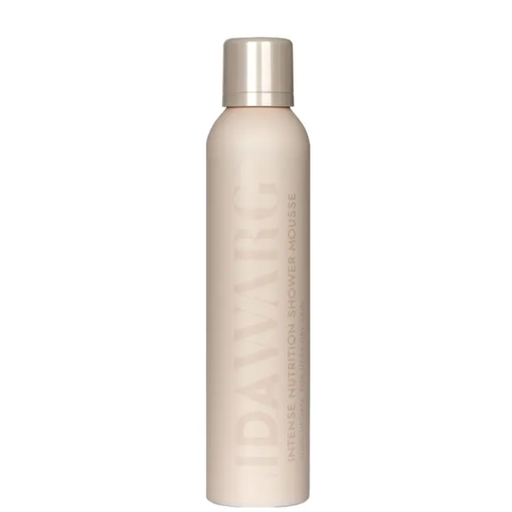
Why it's a match: Designed for users whose main focus is caring for dry skin. The formulation is engineered to intensely nourish and hydrate the skin, rather than just cleansing it.
Directly counteracts the "Moisture Trap." According to the manufacturer, the formula is enriched with Vitamin E, Shea Butter Ethyl Esters, and Algae Extract to strengthen the skin barrier and provide moisture.
A rich, nourishing formula that leaves the skin noticeably soft and hydrated. The product is also 100% vegan.
We have compiled a complete, up-to-date list of products that fully meet these strict selection criteria.
A shower foam is generally very economical. Because the gel expands significantly on contact with water, only a small, walnut-sized amount is needed per application to cleanse the entire body. In a direct comparison, a 200 ml can of shower foam can often last longer than a 200 ml bottle of conventional shower gel.
Yes, many shower foams work well as a substitute for shaving foam. The dense and creamy shower foam creates a lubricating layer on the skin, allowing the blade to glide smoothly. This can reduce the risk of nicks and skin irritation. Products with nourishing ingredients like Aloe Vera or Shea Butter are particularly suitable for this.
For sensitive skin, you should choose products labelled as "hypoallergenic" or "dermatologically tested." Check the ingredient list for the absence of potential irritants such as certain fragrances, dyes, or harsh preservatives. Formulations declared as "fragrance-free" or "without synthetic fragrances" are often a safer choice. Ingredients like Panthenol, Allantoin, or Bisabolol can provide an additional soothing effect.