
Lieferung heute & morgen

Qualitätsgarantie

Willkommens-Angebote freischalten: KOSTENLOSE Lieferung | Bis zu 80 % RABATT | Kostenlose 30-Tage-JoyPlus-Testphase
App herunterladen
A foaming facial cleanser should remove sweat, sebum, sunscreen and everyday residue without leaving your skin feeling persistently dry or tight. There’s plenty of choice, especially when it comes to K-beauty products: Korean facial cleansers, low-pH cleansers, pore-care products and hydrating facial cleansers are often promoted with similar claims.
So the key question isn’t which foam cleanses most intensely, but which formula suits your skin type and daily routine.
A very tight feeling after washing is often taken as a sign that your skin has been thoroughly cleansed. However, it may mean the formula is too stripping or that you’ve massaged it in for too long. This can be particularly uncomfortable for dry or sensitive skin.
A foaming facial cleanser for blemish-prone skin can remove surface residue, excess sebum and dirt. However, a cleanser can’t permanently “close” visible pores. Ingredients such as BHA or clay can help with cleansing, but they’re no substitute for dermatological treatment.
Even a gentle facial cleanser can contain fragrance or essential oils. Check the product information for ingredients such as “Parfum” and “Limonene”, as well as citrus, rosemary or eucalyptus oil. If your skin is prone to irritation, test a small amount on an inconspicuous area first.
Gentle surfactants and hydrating ingredients such as glycerin, panthenol or hyaluronic acid are often suitable for dry or sensitive skin. If you have oily skin, you may want to consider a foaming cleanser with sebum-regulating or mildly exfoliating ingredients. Even so, your skin shouldn’t feel tight for a prolonged time after use.
If you’re looking for a facial cleanser for sensitive skin, also check for a manageable INCI list and as few potential irritants as possible. A fragrance-free product won’t automatically suit everyone, but it can make it easier to narrow down your options.
A low-pH cleanser is often mildly acidic, which is why many people consider it a good fit for a gentle skincare routine. However, pH alone doesn’t determine how well a product suits your skin. The surfactants used, how long the product stays on your skin and the water temperature all matter too.
With a foaming facial cleanser, a short, gentle massage on damp skin is usually enough. Lukewarm water is better than very hot water. Afterwards, pat your face dry without rubbing.
Amino acids, ceramides, glycerin, panthenol and hyaluronic acid can make a formula appealing if you’re looking for a more hydrating cleanse. BHA, PHA, clay or activated charcoal may appeal more if your priority is removing excess sebum and residue.
Always check the INCI list on the packaging, as formulas can change. Cosmetics sold in the EU should also display details such as the responsible person, net quantity, shelf life and directions for use. If you’re unsure whether a product will suit your skin, seek advice from a dermatologist.
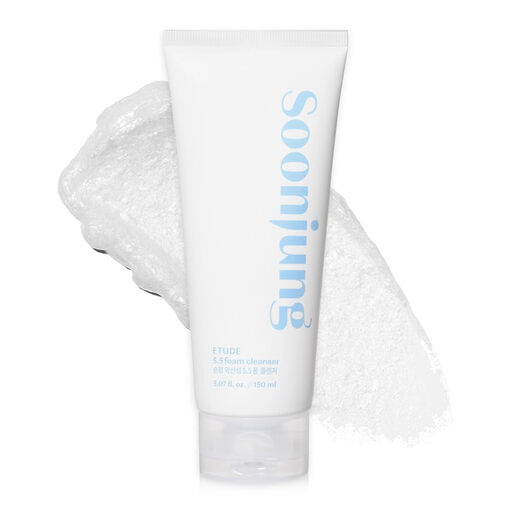
Why this product suits you: The formula is designed to have a pH of 5.5 and, according to the product description, contains panthenol and madecassoside. It’s aimed at anyone looking for a straightforward K-beauty facial cleanser without a focus on fragrance.
The stated pH makes it easier to assess the formula. The product description also says it’s free from fragrance, parabens and synthetic colourants.
150 ml, a stated pH of 5.5 and a concise INCI list with gentle cleansing ingredients.
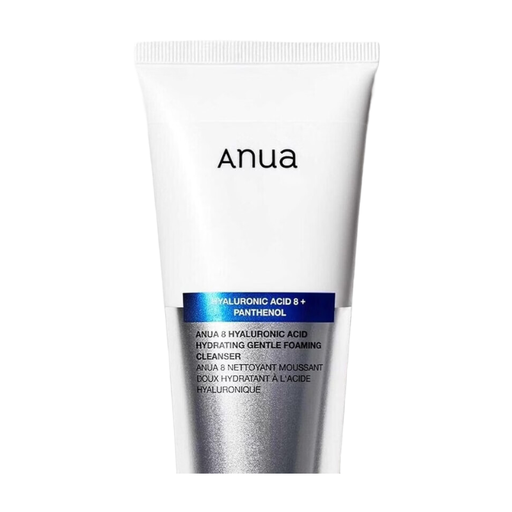
Why this product suits you: For dry, sensitive or dehydrated skin, the formula contains several forms of hyaluronic acid, as well as panthenol, betaine and zinc PCA, according to the product information.
The formula is chosen not just for its lather, but also for its hydrating ingredients and gentle, plant-based surfactants.
150 ml, eight stated hyaluronic acid complexes, plus panthenol and betaine.
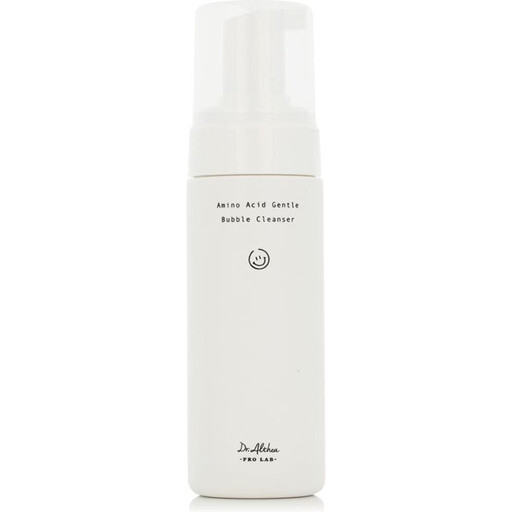
Why this product suits you: The pump dispenser creates foam instantly. The product description lists 17 amino acids, glycerin, sodium hyaluronate and ceramide NP, making it a handy option for everyday use.
The pre-foamed texture may reduce friction during application. If you have sensitive skin, be aware that the listed fragrance ingredient Limonene may cause irritation.
140 ml, pump foam and an amino acid-focused formula, according to the product description.
We’ve put together a comprehensive, regularly updated list of products that meet these strict selection criteria and fully comply with the safety regulations in force in the EU.
For a morning cleanse, a small amount is often enough if you have normal skin. In the evening, a two-step routine may be useful if you’ve worn make-up or water-resistant sunscreen: start with a suitable cleansing oil or balm, then use your foaming facial cleanser.
Once opened, use the product within the period shown by the symbol on the packaging. If its smell, colour or consistency changes, stop using it. Store the bottle somewhere dry and clean, away from direct sunlight.
Many products are designed for use morning and evening. If you have dry or sensitive skin, cleansing once in the evening may be enough, while in the morning you may only need water or a particularly gentle cleanser. Let your skin’s comfort and how it reacts guide you.
A low or mildly acidic pH can work well as part of a gentle skincare routine. However, it doesn’t automatically mean a product will suit everyone. Check the surfactants, fragrance, active ingredients and how your own skin responds too.
It depends on the amount you use, the texture and how often you cleanse. A 120 to 150 ml or gram pack of foaming cleanser often lasts several weeks to a few months with daily use. A pump foam may be easier to dose for each use, while a small amount is often enough with a concentrated cream texture.