Related products at Joybuy
The following products include food mixers and dough mixers for focaccia and other yeast dough recipes. Compare the stated bowl size and included accessories with the batch you’re planning to make.
 No image available
Stand mixer with 5-l stainless steel bowl, 600 W
This could suit a class batch if your recipe quantity is right for the bowl and the accessories provided.
Specifications include a 5-l stainless steel bowl, 10 speeds, 600 W, a dough hook, beater, whisk and splash guard.
View at Joybuy
 No image available
Dough mixer with 4.5-l stainless steel bowl, 1300 W
Before choosing this model for a class, check the permitted quantity for your focaccia batch and exactly what’s included.
The product name specifies a 4.5-l stainless steel bowl and 1300 W.
View at Joybuy
 No image available
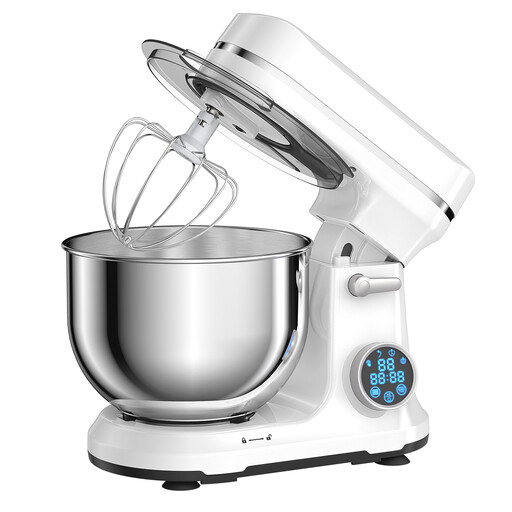
BioloMix BM602E
This model may be suitable for dough-making if its stated bowl capacity and functions are right for your recipe quantity.
The product name specifies a 5-l capacity, 1200 W, 11 speeds and an OLED touchscreen.
View at Joybuy
 No image available
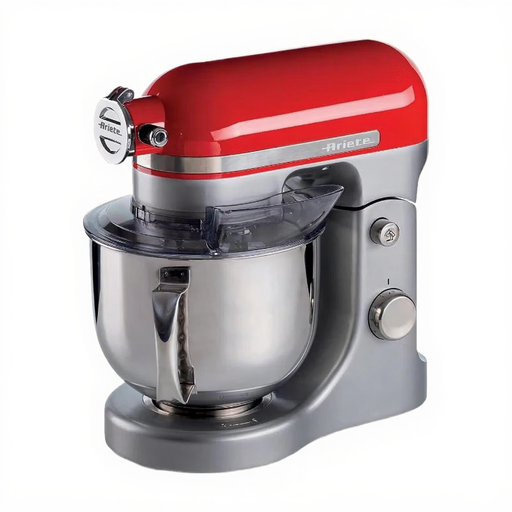
Ariete 1589 Moderna
Consider this model for baking if the amount of dough you plan to make is within the specifications for the exact version.
The product name specifies 1600 W and 11 speeds.
View at Joybuy
 No image available
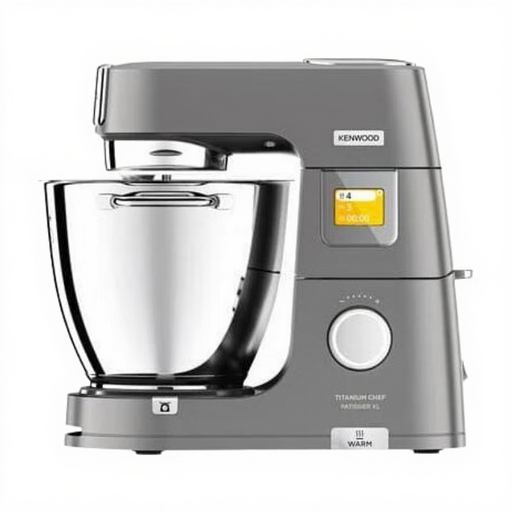
Kenwood Titanium Chef Patissier XL KWL90164SI
Before buying, check which bowl sizes and dough tool are included with the version on offer, and whether they’re right for the batch you’re planning.
View at Joybuy
Frequently asked questions
What quantities should I compare for a focaccia batch?
Note down the amount of flour and the total amount of dough in your recipe for each kneading cycle. For example, one of Ankarsrum’s focaccia recipes uses 540 g of flour and 400 ml of water, plus other ingredients. Compare the flour quantity with the flour limit, and the total batch with the relevant dough specification for your model; limits for different types of dough aren’t necessarily interchangeable.
Does focaccia dough need to prove in the mixer bowl after mixing?
No, it doesn’t have to. In Ankarsrum’s focaccia recipe, the dough first proves in the covered bowl and later on the tray. If you’re making several batches, you can use separate proving containers to free up the mixer bowl; follow your recipe.
How should I clean the machine and tools between class groups?
Follow the cleaning instructions for the parts you’ve actually used. The Verbraucherzentrale recommends using clean kitchen utensils and washing your hands before and between preparation steps; flour can also contain pathogens. Check the instructions for your specific model to see whether a particular hook is dishwasher-safe.
Do the guarantee and right to cancel also apply if I’m buying for a baking class?
For a consumer purchase in the EU, you have a statutory guarantee of at least two years from the seller; this is separate from any voluntary manufacturer’s warranty. Consumers generally have a 14-day right to cancel online purchases, starting from the day they receive the goods. Check whether you’re buying as a private individual or for a business, as these consumer rights can’t automatically be assumed to apply to a business purchase.
What product requirements apply to food mixers?
Bowls and tools intended to come into contact with food must meet the relevant requirements for food-contact materials. For electrical appliances where harmonised EU rules require CE marking, the manufacturer is responsible for conformity assessment and marking. CE marking doesn’t certify a particular standard of kneading performance.


