What to look for when buying
One batch for both trays
A good fit if: The total recipe quantity is within the flour and dough limits for the specific model, and you’ll divide the dough between two trays afterwards.
The trade-off: One mixing cycle saves you making a second batch, but a larger machine takes up more space.
Two separate batches
A good fit if: The total quantity exceeds a flour or yeast dough limit, or you want to prepare the trays at different times.
The trade-off: The machine doesn’t need to hold the full quantity at once, but you’ll need an extra mixing cycle and may need to clean the bowl and tools between batches.
Mixing without a stand mixer
A good fit if: You’re following a recipe with resting and folding stages and don’t need a stand mixer for other tasks.
The trade-off: You’ll save space, but you’ll need to do the hands-on steps and allow for the resting times specified in the recipe.
| What matters |
What to check before buying |
Who is this important to? |
| Quantity for both trays |
Work out the flour quantity and total dough weight separately; compare both figures with the limits for the specific model. |
If I want to make enough for both trays in one go, the total recipe quantity must be within the model’s limits. Around 36% of consumers are likely to prioritise making a single batch. |
| Wet focaccia dough |
Check whether your recipe calls for machine kneading and which dough hook and kneading instructions apply to the model. |
With very soft dough, I want to know whether my recipe calls for machine kneading at all. Around 29% of consumers are likely to prioritise handling wet dough. |
| Two mixing cycles |
Check the quantity per batch against the yeast dough limit; review the cleaning instructions for the bowl and tools. |
If I’m planning two batches, I want to be able to plan the process between mixing cycles. Around 21% of consumers are likely to prioritise making several batches in a row. |
| Worktop space |
Compare the appliance’s footprint and required clearance with the space available. |
In a small kitchen, I want to be sure the machine will fit where I plan to put it. Around 14% of consumers are likely to prioritise a small footprint. |
As a worked example, GialloZafferano’s recipe uses 400 g of flour and 320 g of water for a 38 × 25 cm tray. For two trays of this size, that comes to 800 g of flour and 640 g of water; with the other ingredients, the editorial calculation puts the total dough weight at around 1.50 kg. This is an example based on one recipe, not a general quantity for all trays or doughs.
Joybuy products
This selection includes stand mixers with a dough hook or kneading function. For two trays, the key considerations are the quantity in your recipe and the separate flour and dough limits for each model.
 No image available
Stand mixer with a 5 L stainless steel bowl
The product description lists a dough hook and uses for bread and yeast dough.
5 L stainless steel bowl, 10 speeds and 600 W; listed accessories include a dough hook, beater, whisk and splash guard.
View at Joybuy
 No image available
Dough Mixer with 4.5 L stainless steel bowl, 1300 W, 6+P, Beige
The product details list dough and mixing hooks for kneading and mixing.
4.5 L stainless steel bowl, 1300 W and six speeds with pulse function.
View at Joybuy
 No image available
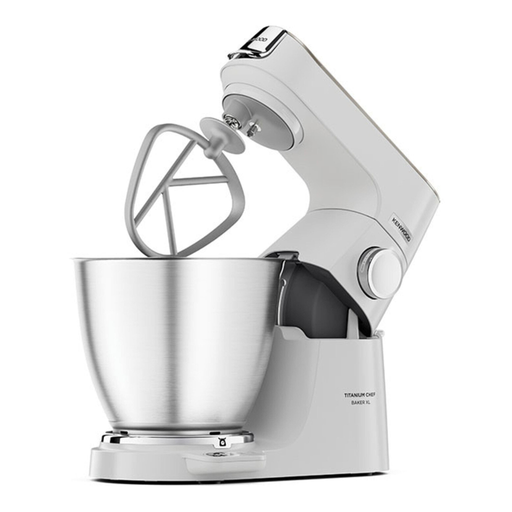
Kenwood Titanium Chef Baker XL KVL65.001WH
The product name lists integrated scales and a three-piece patisserie set.
7 l bowl and 1200 W, according to the product name.
View at Joybuy
 No image available
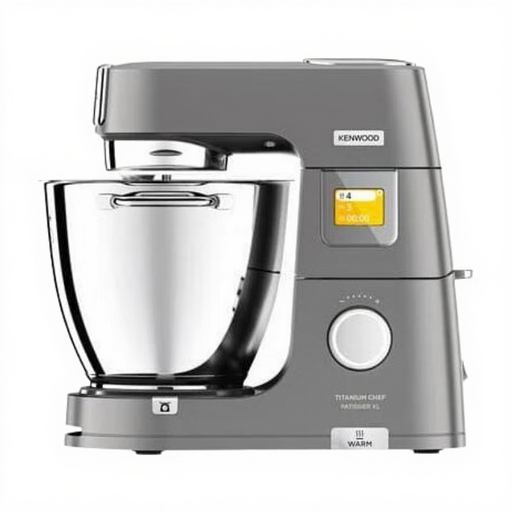
Kenwood Titanium Chef Patissier XL KWL90164SI
The product name identifies this model as the Kenwood Titanium Chef Patissier XL in silver.
Before choosing, compare the tools and capacity limits listed for this specific offer with your recipe.
View at Joybuy
 No image available
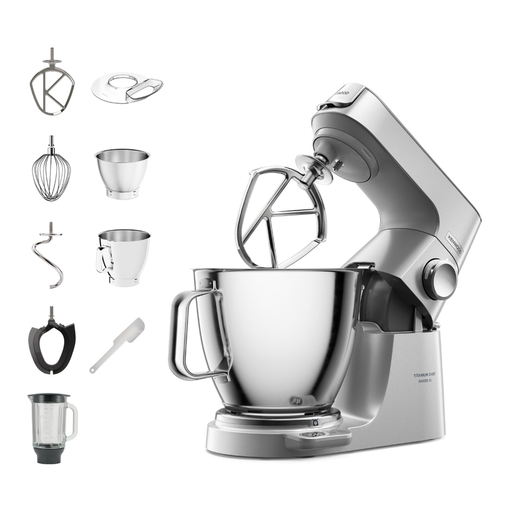
Kenwood Titanium Chef Baker XL KVL85.124SI
This model may suit a single batch if your calculated recipe quantity is within its stated limits.
For the KVL85.124SI, Kenwood lists a maximum of 2.56 kg of bread dough and 0.91 kg of flour. The product description and manufacturer’s details also list a dough hook and integrated scales; these figures aren’t based on a focaccia test.
View at Joybuy
Frequently asked questions
Do I need a stand mixer to make focaccia on two trays?
No. The recipe for particularly wet focaccia described by GialloZafferano doesn’t require a stand mixer; it uses resting and folding stages. Whether this method suits you depends on the recipe you’re using and how you prefer to work.
How do I calculate the dough quantity for two trays?
Double the ingredients in your recipe if both trays are the same size and will have the same toppings, then compare the flour quantity and total dough weight with the model’s limits. GialloZafferano’s recipe uses 400 g of flour and 320 g of water for a 38 × 25 cm tray; for two trays of this size, that comes to 800 g of flour and 640 g of water.
Is bowl capacity enough to work out the right dough quantity?
No. Also check the separately stated maximum flour and yeast dough quantities. For example, Bosch Home Appliances lists a 3.9 l bowl, capacity for up to 1.9 kg of yeast dough and a maximum of 0.8 kg of flour for the MUM58710.
What should I do if my recipe exceeds the model’s limit?
Divide the dough into two batches rather than exceeding the stated limit. Remember to allow for an extra mixing cycle and, if necessary, time to clean between batches.
Is the CE marking an independent quality test?
No. According to information from Your Europe, a product must meet the relevant EU requirements and carry a CE marking when the applicable harmonised rules require it. The marking isn’t an independently awarded quality seal; check the details for the specific offer.


