
Lieferung heute & morgen

Qualitätsgarantie

Willkommens-Angebote freischalten: KOSTENLOSE Lieferung | Bis zu 80 % RABATT | Kostenlose 30-Tage-JoyPlus-Testphase
App herunterladen
A good foldable camping chair is more than just a place to sit. It's a mobile companion for the park, a trusty fishing chair by the lake, or a space-saving balcony chair for relaxing moments at home. However, the market is flooded with models whose promises often prove empty after a short time. Before you make a decision, it's crucial to understand the most common flaws that can quickly turn a supposed bargain into a disappointment.
Many buyers focus on low weight or a low price, overlooking critical design details. The result is chairs that are saggy after one season, with joints that give way under the first real load, or materials that turn brittle in the sun and rain. This guide will show you what to look for to find a durable and functional folding chair.
Disappointment with a poor purchase often stems from three recurring problems that are masked by marketing promises.
To avoid these pitfalls, focus on verifiable technical specifications. These three parameters are crucial for the longevity and comfort of your chair.
The foundation of any good folding chair is its material.
A chair must suit your body weight and your transport needs.
The best features are the ones you will actually use.
Based on these objective criteria, we have identified models that are particularly well-suited for specific use scenarios.
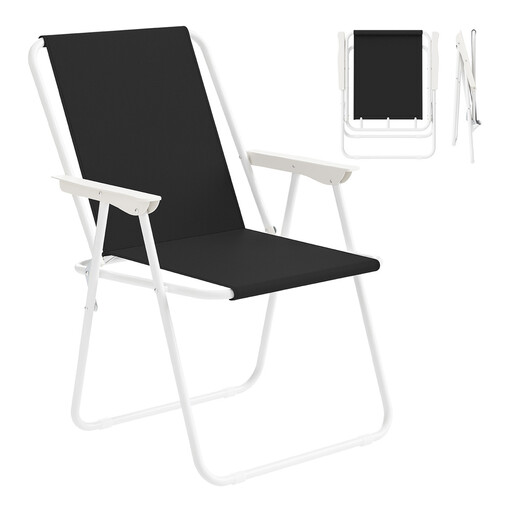
Why this model is a great fit: Ideal for those who need a straightforward, lightweight, and quick-to-deploy chair for camping, fishing trips, or festivals where portability is key.
The frame made of 18 mm iron tubes and the cover made of 600D Oxford fabric provide a solid foundation, avoiding the typical material and stability issues of cheaper models.
With a net weight of just 2.1 kg and a simple folding mechanism, it is extremely portable. The maximum load capacity is 100 kg according to the manufacturer.
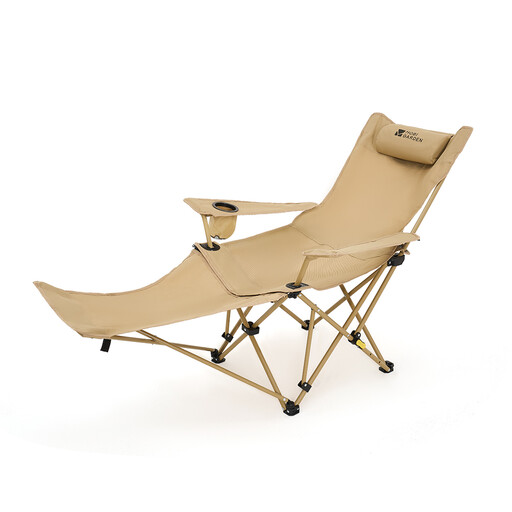
Why this model is a great fit: Perfect for anyone who doesn't want to compromise on comfort in the garden, on the patio, or while camping and is looking for a flexible seating and reclining option.
The multi-adjustable backrest and ergonomic design with a removable headrest directly counteract the problem of poor comfort. The reinforced X-frame made of carbon steel ensures stability.
Allows for a nearly flat reclining position. The static load capacity is approximately 110 kg according to the manufacturer, ensuring robust use.
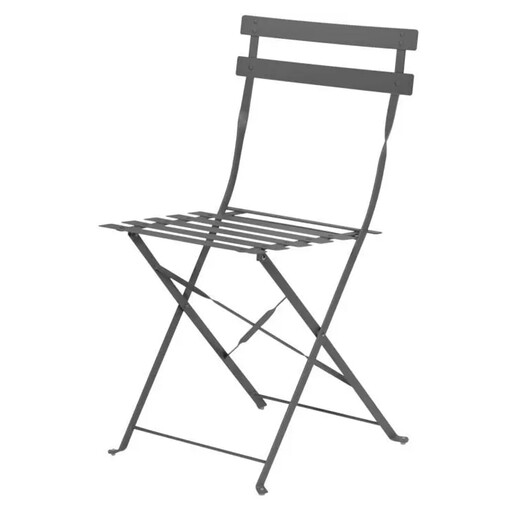
Why this model is a great fit: The optimal solution for small balconies or patios where a stylish design and an extremely small pack size are crucial.
The construction from sturdy metal avoids the instability of plastic models. The folding mechanism is designed for durability and space-saving storage, not just a low price.
Folds extremely flat, making it ideal for storage in niches or against a wall. The modern, minimalist design fits well into urban environments.
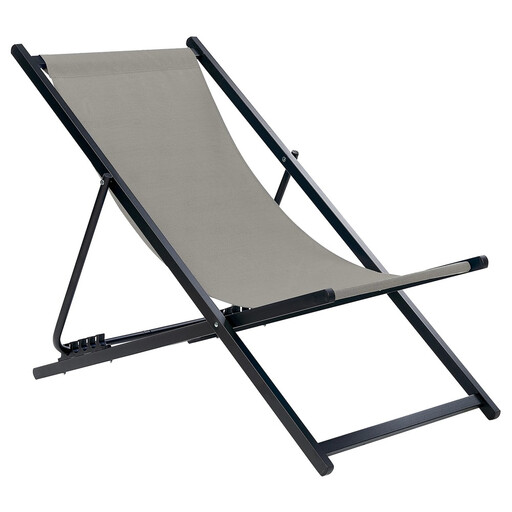
Why this model is a great fit: Designed for use by the pool, at the beach, or in the garden, where rust resistance, UV protection, and an adjustable reclining position for sunbathing are crucial.
The lightweight aluminium frame is naturally rust-proof. The mesh fabric is water-repellent and has a UV resistance class of 4, which prevents the material from fading and becoming brittle.
The backrest is adjustable in 5 positions and the maximum load capacity is stated as 120 kg, which signifies high stability for a deck chair of this type.
If you're looking for a low-maintenance and particularly durable alternative for permanent use in the garden, all-plastic models might also be worth considering.
Proper care is crucial for longevity. Clean the fabric and frame regularly with a damp cloth and mild soap solution. Avoid aggressive cleaning agents. Store the chair in a dry place over the winter or use a suitable protective cover to prevent material fatigue from moisture and frost.
The lifespan heavily depends on the material quality, frequency of use, and care. A well-maintained outdoor chair with an aluminium or powder-coated steel frame and a 600D Oxford fabric cover can last for several years. Cheaper models with simple polyester covers and unprotected joints often only survive one or two seasons of intensive use.
Yes, as long as the construction is well-designed. Low weight does not preclude stability. For a lightweight model, look for a cross-frame design for better load distribution and check the static load capacity specified by the manufacturer. An aluminium fishing chair can be very stable as long as it is placed on a level, firm surface and not loaded beyond its weight limit.