
Lieferung heute & morgen

Qualitätsgarantie

Willkommens-Angebote freischalten: KOSTENLOSE Lieferung | Bis zu 80 % RABATT | Kostenlose 30-Tage-JoyPlus-Testphase
App herunterladen
As an owner of a large dog, you know how crucial a reliable transport solution is. A foldable dog crate promises flexibility and a space-saving alternative to rigid hard-shell carriers. However, the market is flooded with models of widely varying quality. Certain design flaws and exaggerated marketing claims often lead to poor purchasing decisions that not only cost money but can also jeopardise your dog's safety.
This guide will show you the most common pitfalls and explain which technical parameters you need to look for to find a durable and functional dog crate for your car or for travel.
Many products look robust at first glance but reveal their weaknesses only with use. Pay special attention to these three critical points to avoid disappointment:
To make an informed decision, you should focus on objective and measurable criteria. These three parameters are crucial for the safety, durability, and comfort of a foldable dog crate.
The skeleton of any foldable crate is its frame. Here, a steel frame is generally the more robust choice compared to aluminium, especially for a carrier for large dogs. Ensure that the poles have a sufficient diameter and that the connectors are solidly built. A critical detail is the locking mechanism. The poles must audibly and tangibly click into place during assembly, forming a rigid structure that remains stable even under load. This is a central safety aspect for any dog car carrier.
A high-quality soft-sided dog travel crate is made from durable material. An established standard here is 600D Oxford fabric. This material is known for its high tear and abrasion resistance. An additional PVC or PU coating on the inside makes the fabric water-repellent and easier to clean. The mesh windows should be made of a rubberised, scratch-resistant material and be present on at least three sides of the crate to ensure optimal air circulation. This turns the crate into a comfortable mobile dog kennel for travel or camping.
Measure your dog accurately before buying: its height when standing (from the floor to the top of its head) and its length (from the tip of its nose to the base of its tail). The crate should be at least 10–15 cm taller and longer to allow your dog to change position comfortably. Also, distinguish between the crate's own weight and its maximum weight capacity. A lightweight dog crate is easier to transport, but it must not compromise on frame stability. Check the manufacturer's specified maximum load capacity and compare it with your dog's weight.
Based on the criteria above, we have identified some models that are suitable for different owner profiles and use cases.
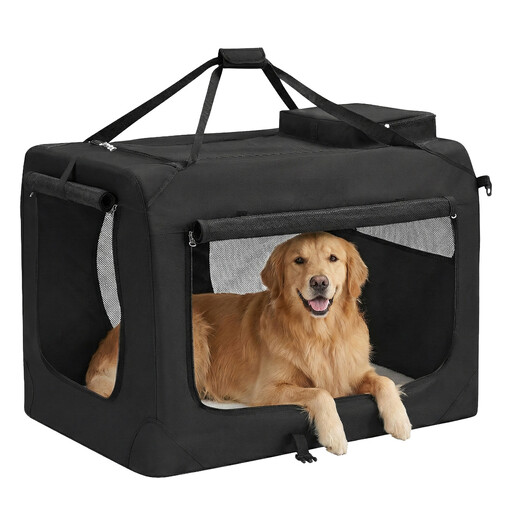
Why This Fits Their Persona: Ideal for owners of breeds like German Shepherds or Labradors who need a robust and spacious crate for regular car trips, camping, or hotel stays. The generous dimensions provide ample space even on long journeys.
The sturdy steel frame prevents it from collapsing under load. The 102 cm length is realistically designed for large dogs, avoiding the pitfall of a crate that's too small. The 600D Oxford fabric is durable.
Sturdy steel frame with a secure folding mechanism. Generous mesh windows on three sides for good ventilation. Folds flat to a height of 8 cm.
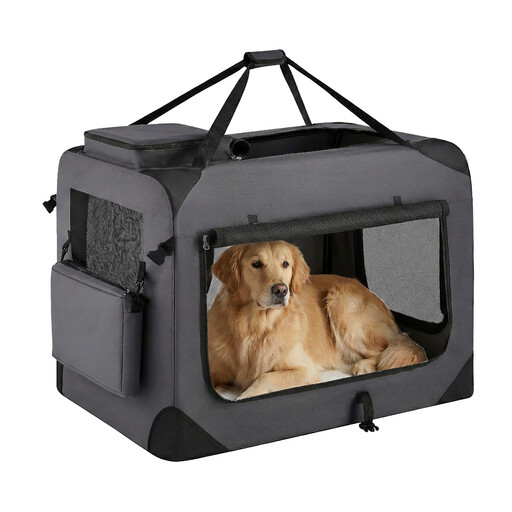
Why This Fits Their Persona: A practical choice for owners of medium-sized dogs like Border Collies or Retrievers who need a reliable crate for occasional vet visits or holiday travel without investing in a professional-grade model.
Despite its attractive price point, this model uses a metal frame and 600D Oxford fabric. The size is appropriately scaled for the recommended 23-32 kg weight class, avoiding false promises.
Excellent price-to-material-quality ratio. Very lightweight at only 4.8 kg, making it easy to transport. Includes a washable mat and a practical side pocket.
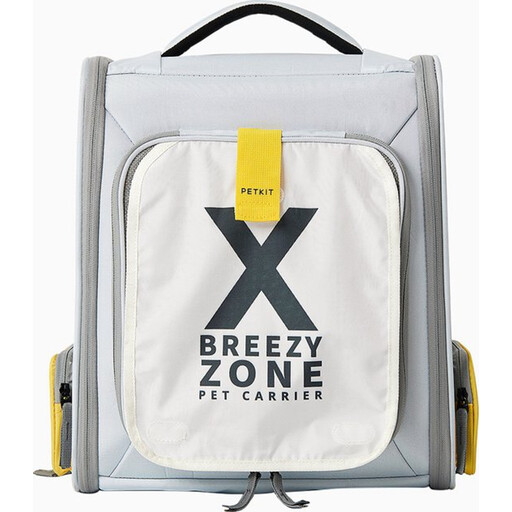
Why This Fits Their Persona: Perfect for owners of small dogs or cats (up to 6 kg) in the city who need a flexible solution for transport on public transit, short trips, or vet visits, and who value innovative design.
This model solves the problem of bulkiness. The backpack expands into a small tent, giving the pet more room and reducing feelings of confinement. The blackout screen specifically addresses travel anxiety in sensitive animals.
Innovative 2-in-1 design (backpack and expandable tent). Excellent ventilation thanks to large mesh panels. Lightweight and folds compactly for easy storage.
We've compiled a complete, up-to-date list of products that fully meet these strict selection criteria and safety standards.
First, set up the new crate in your home and leave the door open. Place a familiar blanket, toy, or treats inside to create a positive association. Start with short, positive training sessions, praising your dog as soon as it enters the crate. Only close the door for a few seconds at first, then slowly increase the duration before taking your first short car ride.
Most fabric crates are not suitable for machine washing. The inner mat is often removable and washable. It's best to clean the body of the crate with a damp cloth and a mild soap solution. Allow the crate to air dry completely after cleaning before folding and storing it to prevent mould growth. Regularly check zippers and seams for wear and tear.
A high-quality, foldable dog crate with a sturdy steel frame provides a secure environment for your dog. For maximum safety in the car, the crate should be placed in the boot and wedged in so that it cannot slide around. Alternatively, it can be secured on the back seat using the seatbelt through designated loops. An unsecured crate does not offer sufficient protection in an accident. Always adhere to local traffic laws regarding securing cargo, which also apply to pets.