
Lieferung heute & morgen

Qualitätsgarantie

Willkommens-Angebote freischalten: KOSTENLOSE Lieferung | Bis zu 80 % RABATT | Kostenlose 30-Tage-JoyPlus-Testphase
App herunterladen
Foldable sunglasses promise ultimate portability—perfect for a jacket pocket, glove compartment, or carry-on. But the market is saturated with models where this practical folding feature often comes at the cost of durability and optical quality. Many buyers quickly discover that their supposedly clever accessory has weak points that negate its benefits.
Before you make a decision, it's crucial to understand the most common pitfalls. Certain design flaws and exaggerated marketing claims often lead to disappointment. This guide will show you what to look for to find a model that is both functional and durable.
The compact design places high demands on materials and construction. Two areas are particularly prone to defects that severely limit everyday usability.
To avoid the issues mentioned above, you should focus on two key technical parameters. These largely determine the longevity and daily practical value of your sunglasses.
The robustness of the frame is critical. Look for models made from TR90. This thermoplastic material is extremely lightweight, flexible, and resilient. It can bend under pressure without breaking, making it an ideal choice for the moving parts of foldable glasses. A high-quality folding mechanism, often protected by patents, is characterized by precisely engineered multi-point hinges that remain stable even after hundreds of folds. A pair of lightweight sunglasses made from TR90 offers superior comfort without sacrificing stability.
The lenses are more than just tinted plastic. Three technologies are important for different use cases:
Based on the criteria above, we have identified several models that are well-suited for specific user groups.
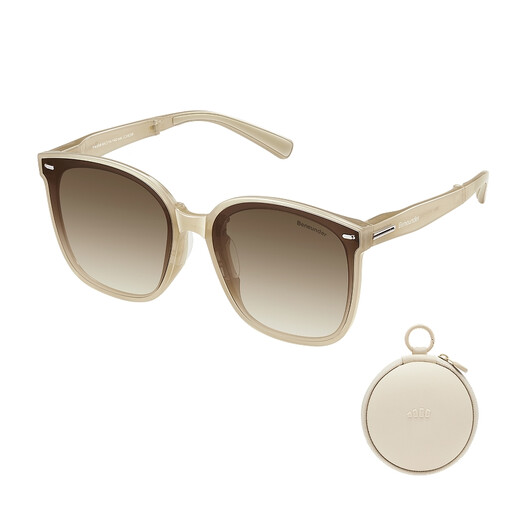
Why This Fits Their Persona: This model combines the fashionable look of oversized women's sunglasses with the high functionality of sunglasses for travel. It's ideal for users who value style but refuse to compromise on portability.
The patented triple-fold mechanism and TR90 frame counteract the problem of unstable hinges. The high-definition nylon lenses with an anti-reflective coating prevent optical distortions.
Extremely compact (35 mm thick when folded) and lightweight (26 g). According to the manufacturer, it offers ≥99.9% UV protection and ≥99.6% glare reduction.
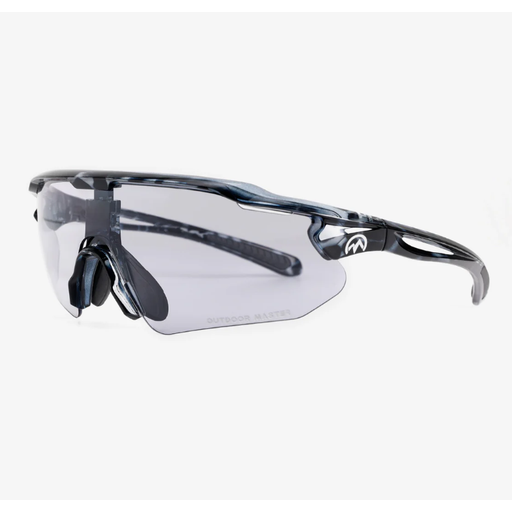
Why This Fits Their Persona: These sports sunglasses are designed for dynamic activities like cycling or running. The combination of photochromic and polarised lenses provides optimal vision in changing light conditions and reduces glare.
Instead of compromising on optics, this model combines high-end lens technologies. The lightweight TR90 frame and adjustable nose pads ensure a secure and comfortable fit, even during movement.
Combines the benefits of photochromic sunglasses with those of polarised sunglasses. The lightweight design (26-29 g) and wide peripheral field of view are optimised for athletic activities.
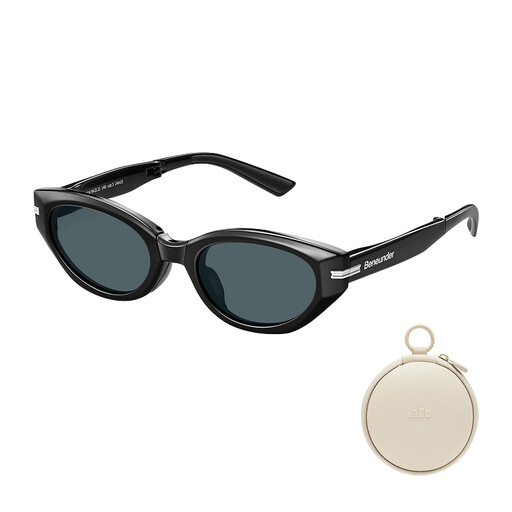
Why This Fits Their Persona: Perfect for daily use, from commuting to strolling through the city. The classic cat-eye design is timeless, while the focus is on comfort and durability. A reliable pair of sunglasses for driving and everyday life.
The patented folding frame with five-point elastic hinges ensures high durability. Air-cushion nose pads and soft temple tips prevent pressure points and guarantee all-day comfort.
High wearing comfort thanks to special nose and temple pads. The robust folding mechanism is designed for a flexible fit and frequent use. According to the manufacturer, the lenses offer ≥99.8% UV protection.
We've compiled a complete, up-to-date list of products that fully meet these strict selection criteria and applicable safety regulations.
1. How do I care for foldable sunglasses to make the hinges last? Proper handling is crucial. Always fold the glasses gently and without force along the designated joints. Clean the lenses and frame regularly with a microfibre cloth. When not in use, store the glasses in the provided case. This protects the mechanism from dust, dirt, and accidental pressure that could damage the hinges.
2. Are polarised lenses always suitable for driving? In most cases, yes, as polarised sunglasses significantly reduce glare from wet roads or a low sun. However, it's worth noting that polarisation filters can interfere with the visibility of some LCD screens, such as those in GPS devices or the digital dashboards of some vehicles. These may appear as dark patches or with rainbow patterns.
3. What is the difference between TR90 and regular plastic for glasses frames?TR90 is a high-quality thermoplastic polyamide. Unlike conventional plastics like polycarbonate or acetate, it is significantly lighter, more flexible, and more shatter-resistant. A frame made of TR90 can deform and return to its original shape, making it particularly resistant to impact and bending. These properties are ideal for the complex and moving parts of foldable sunglasses.