
Lieferung heute & morgen

Qualitätsgarantie

Willkommens-Angebote freischalten: KOSTENLOSE Lieferung | Bis zu 80 % RABATT | Kostenlose 30-Tage-JoyPlus-Testphase
App herunterladen
Foldable UV400 sunglasses combine compact storage with sun protection. They’re especially handy for driving, travelling and getting around town every day: folded up, they fit into a small case or bag, while an oversized shape can offer extra protection from bright light at the sides.
But design isn’t the only thing to consider. If you focus only on the “UV400” label or a fashionable frame shape, you could miss important details. Three common buying pitfalls are particularly worth bearing in mind:
UV400 refers to a protection range up to a wavelength of 400 nanometres in sunglasses. This value should be clearly stated in the product description. Compliance markings and details of the filter category are important too. In the European Union, suitable sunglasses must meet the applicable requirements for personal protective equipment.
UV protection is not the same as glare protection in sunglasses. A coating that reduces reflections can make driving, spending time near water or walking on snowy paths more comfortable. An anti-reflective coating reduces distracting reflections from the lens surface, but it does not replace the correct filter category.
If you’re considering sunglasses with nylon lenses, check for the following details:
Nylon is lightweight and can help keep the overall weight down in a foldable design. Even so, “scratch-resistant” doesn’t mean scratch-proof. Any lens can be damaged by sand, hard surfaces or incorrect cleaning.
TR90 is commonly used for TR90 sunglasses. It’s a thermoplastic material that product descriptions often associate with low weight and flexibility. But specific details are more useful when making a purchase than general claims about the material:
A large frame doesn’t automatically provide better protection. It shouldn’t restrict your field of vision or press against your cheeks when you smile or speak. For women and men with narrower faces, adjustable arms or nose pads can make it easier to get a comfortable fit.
For sunglasses for driving, clear vision and a suitable tint are also important. Very dark lenses aren’t suitable for every driving situation. Mirrored or polarised lenses can change how reflections appear, but they aren’t available on every model. So “anti-glare” and “polarised” shouldn’t be treated as interchangeable terms.
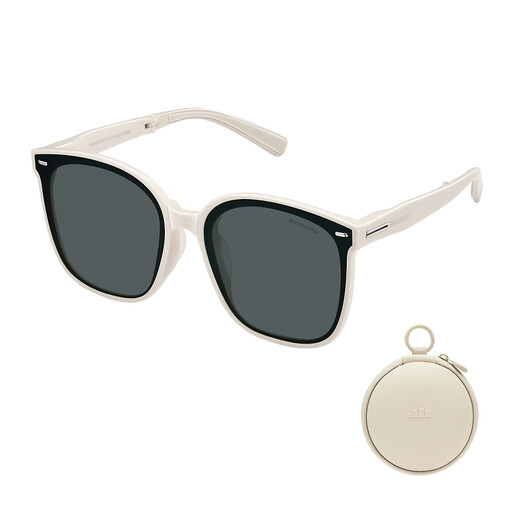
Why this product suits this profile: The combination of UV400 protection, a foldable design and a weight of 26 g makes these a good choice for anyone looking for straightforward travel sunglasses for everyday use and occasional trips.
The product details state both the weight and a folded thickness of 35 mm. This makes it easier to judge how portable they are than relying on the word “compact” alone.
TR90 frame, nylon lenses with UV400 coating and a triple-fold design, according to the product details.
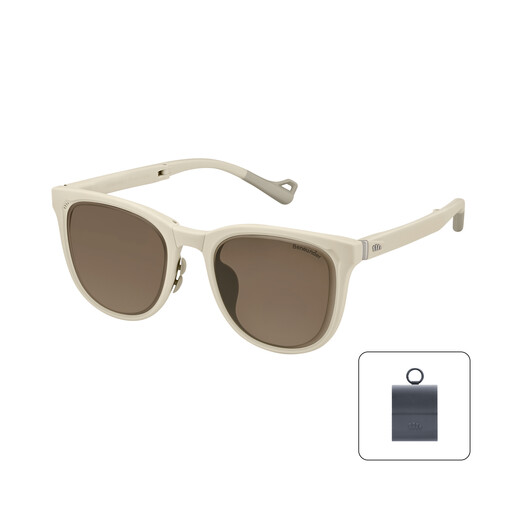
Why this product suits this profile: This model combines a Boston silhouette with adjustable arm positions and butterfly nose pads. That could make it a good option for a range of face shapes.
The product details include specific measurements, a frame weight of 29 g and a folded thickness of 1.15 inches. They also list scratch-resistant, oleophobic and anti-reflective coatings.
TR90 frame, True-Color nylon lenses and several adjustment options, according to the product description.
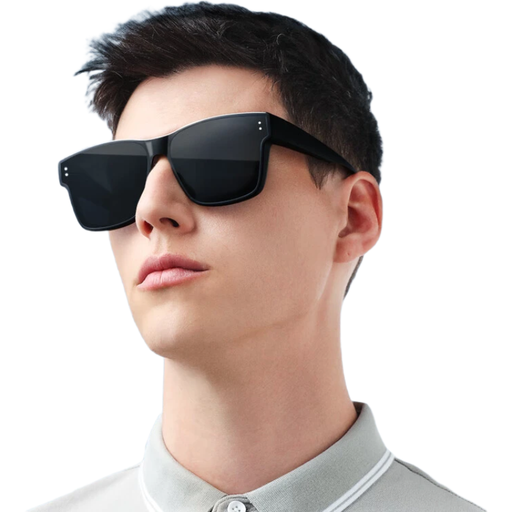
Why this product suits this profile: The polarised design is for anyone who wants to take reflections into account during outdoor activities. Check that they’re suitable for your prescription before buying.
“Polarised” is listed separately here and isn’t treated as the same as UV400. This helps buyers check UV protection, polarisation and possible compatibility with glasses individually.
Polarised nylon lenses and a design for women and men, according to the product name.
We’ve put together a complete, regularly updated list of products that meet these strict selection criteria and fully comply with the safety regulations applicable in the EU.
How long they last depends largely on how you use and store them. These habits can help you look after foldable sunglasses:
Coatings can make everyday use easier, but they don’t make lenses indestructible. If you notice scratches in the central field of vision, loose hinges or a frame that remains crooked, consider replacing the sunglasses.
UV400 describes protection against ultraviolet radiation up to 400 nanometres. Buyers should also check the filter category, compliance marking and clarity of vision. UV400 alone doesn’t tell you anything about polarisation, tint level or glare reduction.
That depends on the tint, filter category, clarity of vision and the details provided for the model in question. Sunglasses for driving must not restrict your vision unlawfully. Check particularly dark or heavily mirrored lenses carefully before wearing them on the road.
There’s no single answer that applies to every pair. Frequent folding, improper cleaning and loose storage can put strain on the mechanism and coatings. A sturdy case, careful cleaning and a good fit can help extend their useful life.