
Lieferung heute & morgen

Qualitätsgarantie

Willkommens-Angebote freischalten: KOSTENLOSE Lieferung | Bis zu 80 % RABATT | Kostenlose 30-Tage-JoyPlus-Testphase
App herunterladen
Foldable UV400 sunglasses are handy for your handbag, car and luggage. When folded, they take up less room than conventional sunglasses and are easy to reach for when the light changes. However, foldable styles can vary considerably in their materials, fit and lens features.
If you focus only on a fashionable design or the “UV400” label, it’s easy to overlook important details. The criteria below will help you compare lightweight foldable sunglasses objectively and avoid an unsuitable purchase.
UV400 describes protection against ultraviolet radiation at wavelengths of up to 400 nanometres. On its own, it tells you nothing about the tint, light transmission or glare reduction of the lenses. So if you’re looking for sunglasses to wear while driving, also check the details on glare protection, lens colour and anti-reflective coatings.
An anti-reflective coating can reduce distracting reflections, for example from wet roads or windows. However, it doesn’t replace a suitable lens category and shouldn’t be taken as an automatic indication that the sunglasses are suitable for every driving situation.
Lightweight foldable sunglasses are comfortable to wear. However, hinges that are very thin or not designed to withstand much wear can become loose or distorted with frequent opening and closing. The frame material, hinge design and recommended handling are therefore important.
TR90 is a flexible plastic used in many foldable sunglasses. But the material name alone doesn’t guarantee that every model is high quality. Also check the specific details on weight, frame width, arm length and care.
Foldable sunglasses in “F One Size” may suit a range of face shapes, but they won’t necessarily fit everyone equally well. Arms that are too wide, pressure at the temples or a slipping nose bridge can all affect comfort.
Before you buy, compare the measurements with a pair of glasses that fits you well. In particular, check:
Sunglasses with UV protection should be explicitly labelled UV400. The selected Beneunder models are described as having nylon lenses with UV400 protection. Depending on the model, the product details also mention OAR anti-reflective coatings, as well as scratch-resistant or oleophobic coatings.
Always check these details in the product specifications for the model you’re considering. A coating may make the lenses easier to care for or reduce reflections, but it won’t protect the sunglasses from improper storage. A case and a soft microfibre cloth are therefore useful accessories.
For everyday use, a low weight and a smooth folding mechanism are practical features. The Beneunder FD421 is listed as weighing 26 g, with folded dimensions of 35 mm. According to the product details, the FD01h models weigh 0.97 oz.
When folding the sunglasses, don’t put pressure on the lenses, and move the arms only in the intended direction. Flexible arms are an advantage for everyday wear in TR90 sunglasses, but hinges and coatings are still subject to wear.
Cat-eye sunglasses have a more defined shape and suit a fashionable everyday look. Oversized sunglasses offer a larger lens area, but may extend beyond the cheeks on smaller faces. Boston-style frames are more understated and are often easy to pair with different outfits.
For travelling, compact travel sunglasses are a good choice if they fold down to save space and can be kept in a sturdy case. When driving, clear vision, suitable glare protection and a secure fit are also important, so the sunglasses won’t slip when you move.
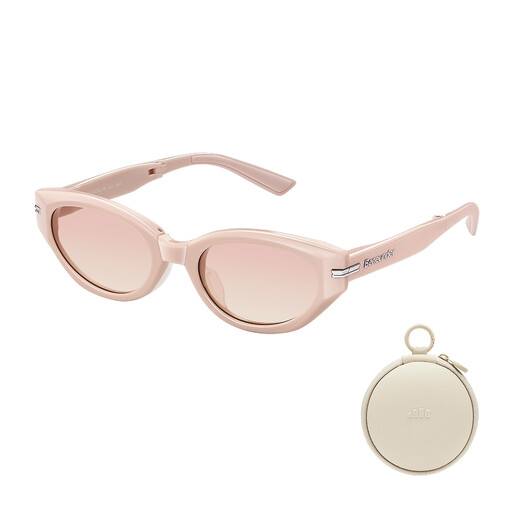
Why this product suits this profile: The pink frame and cat-eye shape combine a fashionable look with a compact folding design for everyday wear, getting around town and travelling.
The product details specify UV400 protection, OAR anti-reflective coating, flexible hinges, air-cushioned nose pads and soft arm rests.
TR90 frame, nylon lenses, 5.8-inch frame width and a foldable design for compact storage.
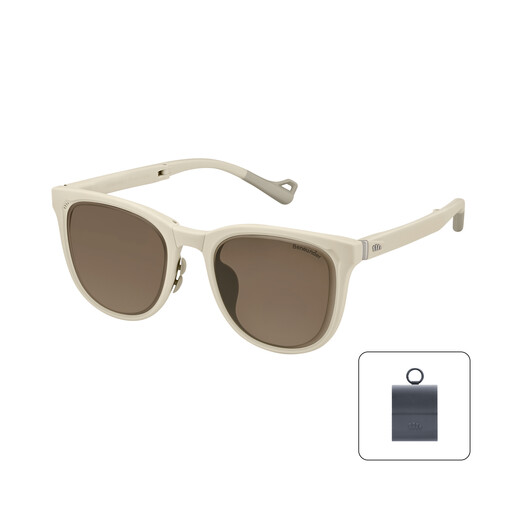
Why this product suits this profile: The Boston silhouette is a good choice if you prefer an understated shape, adjustable arms and multiple lens coatings.
Three arm positions and two-way adjustable nose pads allow for a more individual fit than a fixed one-size design.
UV400 nylon lenses, OAR anti-reflective coating, and oleophobic and scratch-resistant coatings, according to the product details.
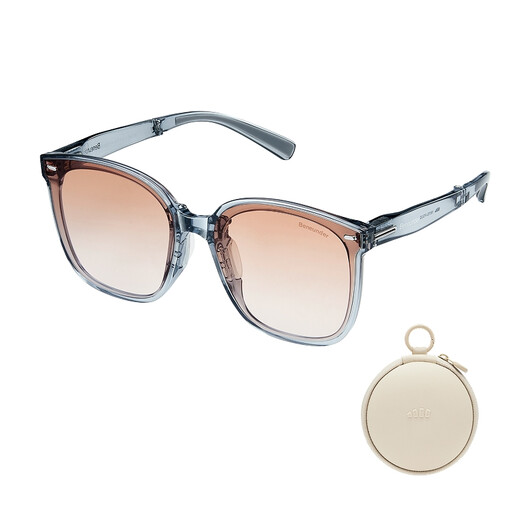
Why this product suits this profile: The oversized shape and tri-fold mechanism make these sunglasses suitable for travelling, outdoor activities and anyone who prefers a larger lens area.
The stated folded dimensions of 35 mm and weight of 26 g give you specific details to assess for travel, rather than vague claims about compactness.
TR90 frame, UV400 lenses and OAR coating; the product details specify a weight of 26 g and a frame width of 5.71 inches.
We’ve put together a complete, regularly updated list of products that meet these strict selection criteria and fully comply with the safety regulations in force in the EU.
To help your foldable UV400 sunglasses last as long as possible, follow a few simple rules:
UV400 describes the level of UV protection, but doesn’t tell you on its own whether the tint and lens category are suitable for every driving situation. Also check the details on light transmission, glare protection and lens colour. Don’t wear heavily tinted sunglasses in poor light or at dusk.
Their lifespan depends on the hinges, coatings, cleaning and how often they’re used. Frequent folding, loose storage and contact with sand can speed up wear. It’s not possible to give a reliable estimate of how long they’ll last without knowing how they’re used.
The price depends on factors including the materials, lens coatings, adjustment options and the design of the folding mechanism. So compare more than just the price: check the UV400 label, measurements, weight, case and care instructions too.