
Lieferung heute & morgen

Qualitätsgarantie

Willkommens-Angebote freischalten: KOSTENLOSE Lieferung | Bis zu 80 % RABATT | Kostenlose 30-Tage-JoyPlus-Testphase
App herunterladen
Foldable UV400 sunglasses need to do several things at once: reduce the amount of sunlight reaching your eyes, fit comfortably, slip into a bag or rucksack and be sturdy enough for everyday use. With compact designs in particular, important differences often only become apparent after you’ve bought them.
If you’re looking for lightweight sunglasses for travel, driving or outdoor activities, don’t focus solely on frame colour and the folding mechanism. Clear information about UV protection, lens coatings, materials, dimensions and care matters just as much.
The term UV400 indicates that the lenses are designed to filter out ultraviolet radiation with wavelengths of up to 400 nanometres. However, it doesn’t automatically tell you anything about tint, visual comfort or glare reduction. So even a dark lens can still show distracting reflections.
Look for specific information from the manufacturer about UV protection, and distinguish between a UV filter and an anti-reflective coating. They serve different purposes.
A two-part arm saves space, but the glasses may still be relatively wide. For foldable sunglasses for travel, the packed size and folding mechanism matter more than the word ‘compact’ in the product description. Designs with several folding points or a particularly flat folded frame can be practical.
The hinges are worth checking, too. If they’re not designed for regular opening and closing, the folding mechanism may become less precise with everyday use.
Cat-eye sunglasses, oversized sunglasses and classic Boston-style frames all have a different look and can complement different face shapes. But a style description is no substitute for measurements. Frame width, bridge width and arm length determine whether the glasses slip down, cause pressure points or let in too much light from the sides.
Check whether the retailer explicitly states that the sunglasses offer UV400 protection. According to the manufacturers, all the models featured here use UV400 lenses. Some versions also have an OAR anti-reflective coating. This can reduce reflections from the lens surface, but it doesn’t automatically darken the lenses or guarantee complete freedom from glare.
For sunglasses for driving, your field of vision should remain clear. Highly reflective surfaces, unsuitable tints or a poor fit can affect what you see. Sunglasses don’t replace prescription glasses, so if you have impaired vision, make sure they’re appropriately adapted.
TR90 is a lightweight, flexible plastic used for the frames of the products featured here. It can help reduce weight and is practical for foldable designs. However, durability still depends on the hinges, arm construction, workmanship and how you handle the glasses.
A lighter weight often improves comfort, but it’s not the only thing to consider: nose pads and arm tips also affect how securely the glasses stay in place when you move.
A good folding design should be easy to use without requiring unusual force. The products with a tri-fold design are listed as measuring 35 mm when folded. Other models use a traditional folding mechanism and have a stated folded thickness of 1.15 inches.
Clean the lenses with a soft microfibre cloth and store the sunglasses in a case. Sand, loose keys and hard plastic surfaces can scratch the coatings. When folding the glasses, use the designated joints rather than twisting the frame sideways.
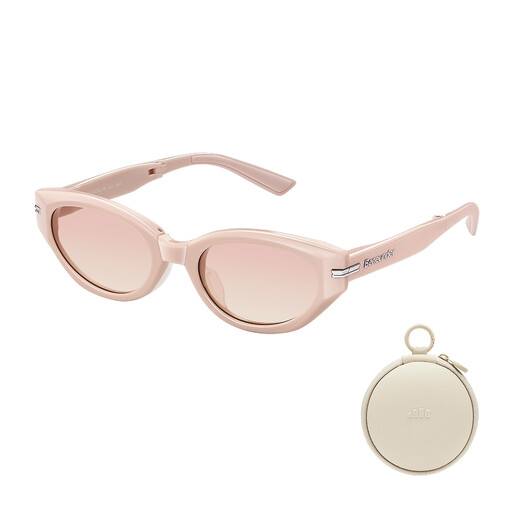
Why this product suits this profile: The pink frame and cat-eye silhouette make these stylish, lightweight sunglasses a good choice for everyday wear and short trips.
According to the manufacturer, this model combines UV400 nylon lenses with an OAR coating and a foldable TR90 frame.
Features include a 5.8-inch frame width, air-cushion nose pads and flexible five-point hinges.
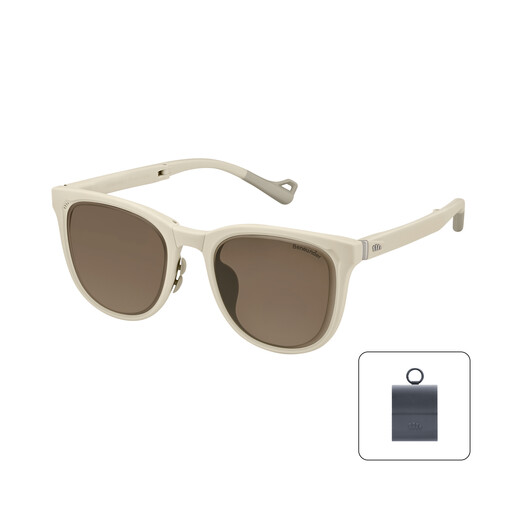
Why this product suits this profile: The classic Boston shape is paired with adjustable arms and several coatings, making these a good option if you value adjustability and everyday practicality.
The product details specify UV400 protection as well as OAR, oleophobic and scratch-resistant coatings. That gives you a clearer picture of the features than a simple style-focused description.
TR90 frame, butterfly nose pads, three arm adjustment positions and a stated weight of 0.97 oz.
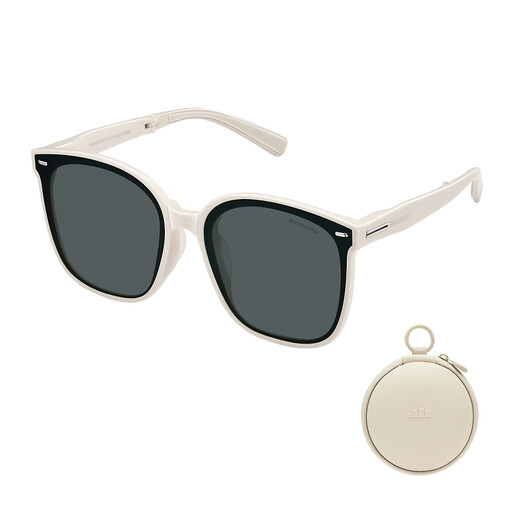
Why this product suits this profile: The oversized design and flat tri-fold construction are made for travel, commuting and storage in a small case.
According to the manufacturer, the folded thickness, weight, UV400 protection and anti-reflective specifications are all clearly stated.
Weighing 26 g, with a folded thickness of 35 mm and oversized lenses measuring 2.48 inches long and 2.17 inches high.
We’ve put together a complete, regularly updated list of products that meet these strict selection criteria and fully comply with the safety regulations in force in the EU.
UV400 describes the filter range for ultraviolet radiation up to 400 nanometres. When choosing sunglasses, you should also check the fit, tint, lens quality and information provided by the manufacturer. UV400 alone doesn’t tell you how effectively reflections are reduced.
There’s no reliable way to give a fixed lifespan. It depends on the hinges, materials, how often you fold the glasses and how well you care for them. A case, a microfibre cloth and careful use of the designated joints can help prevent unnecessary damage.
That depends on the tint, field of vision, fit and your individual prescription needs. An anti-reflective coating can reduce distracting surface reflections, but it doesn’t guarantee complete freedom from glare. When driving, your sunglasses should fit securely and mustn’t interfere with your awareness of the road.