
Lieferung heute & morgen

Qualitätsgarantie

Willkommens-Angebote freischalten: KOSTENLOSE Lieferung | Bis zu 80 % RABATT | Kostenlose 30-Tage-JoyPlus-Testphase
App herunterladen
Foldable UV400 sunglasses need to do several jobs at once: filter sunlight, fit comfortably, take up little space and suit your personal style. However, compact models can often lead to disappointing purchases. A slim frame may be easy to store, but that does not automatically mean it will stay securely in place. The term UV400 alone also says nothing about glare protection, fit or hinge durability.
This buying guide explains which details matter before purchasing lightweight sunglasses, folding sunglasses or sports sunglasses.
UV400 describes the stated protection range against ultraviolet radiation up to 400 nanometres. However, this does not replace information about tint, light transmission or reflection reduction. If you are looking for sunglasses for driving, you should also look for clear vision, a suitable tint and a coating to reduce distracting reflections.
For the models presented here, the manufacturer states specific UV protection and reflection values. These figures should always be checked against the product information.
Hinges and flexible arms are particularly important in folding sunglasses. A frame that is difficult to open can become impractical with frequent use. On the other hand, joints that are too loose can affect the fit.
Materials such as TR90 are often used because they are lightweight and flexible. Even so, the sunglasses should only be folded in the intended direction and then stored safely.
A universal size will not fit every face equally well. Before buying, frame width, bridge width, arm length and weight are therefore important. Oversized sunglasses can slip on narrow faces, while a small frame may provide little side coverage on broader faces.
Sunglasses with UV400 protection should explicitly state the protection range in the product details. Information about anti-reflective treatment or glare reduction is also relevant. For the Beneunder FD421, the manufacturer states in the product description that it offers at least 99.9 per cent UV reduction and at least 99.6 per cent glare reduction. The FD315 model is stated by the manufacturer to offer at least 99.8 per cent UV protection and OAR anti-reflective treatment.
These are manufacturer’s specifications and are not a general statement about all sunglasses of the same type.
TR90 sunglasses may be worth considering for travel, everyday use and extended wear if you are looking for a lightweight pair. According to the product details, the Beneunder Boston frame FD01h weighs 0.97 oz, or approximately 27.5 g. The FD421 is listed as weighing 26 g. According to the manufacturer, the Revoray X3 cycling glasses weigh approximately 30 g.
Weight alone does not determine comfort, however. Nose pads, arm tips and pressure around the temples also affect the fit.
For sunglasses for travelling, folded dimensions are a useful comparison point. According to the product description, the FD421 folds down to a thickness of 35 mm. The FD01h is described as having a foldable design, adjustable arms and two-axis Butterfly nose pads.
Coatings can reduce the amount of care required: according to the manufacturer, certain models feature oleophobic, scratch-resistant or anti-reflective layers. Nevertheless, every pair of scratch-resistant sunglasses should be stored in a case and cleaned with a soft microfibre cloth. Sand, kitchen roll and harsh cleaning products can damage surfaces.
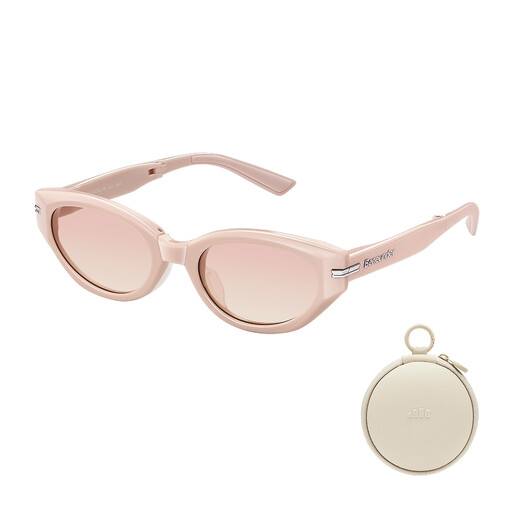
Why this product suits this profile: These cat-eye sunglasses combine a compact folding function with a lightweight TR90 frame, making them suitable for everyday use, getting around town and occasional trips.
The product details specify UV400 protection, OAR anti-reflective treatment, flexible hinges and padded contact areas rather than making only general comfort claims.
TR90 frame, high-definition nylon lenses, foldable construction and at least 99.8 per cent UV protection according to the manufacturer.
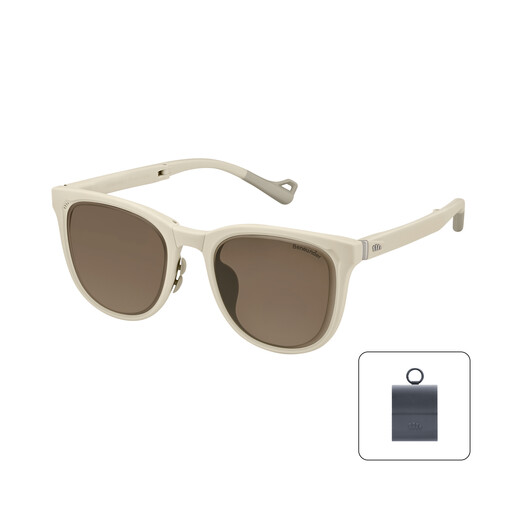
Why this product suits this profile: The classic Boston shape is ideal for shoppers who want an everyday look combined with adjustable arms and several lens coatings.
Three arm positions and two-axis Butterfly nose pads help address the risk of an unsuitable one-size-fits-all fit.
Approximately 27.5 g, TR90 frame, foldable design and UV400, anti-reflective, oleophobic and scratch-resistant coating according to the manufacturer.
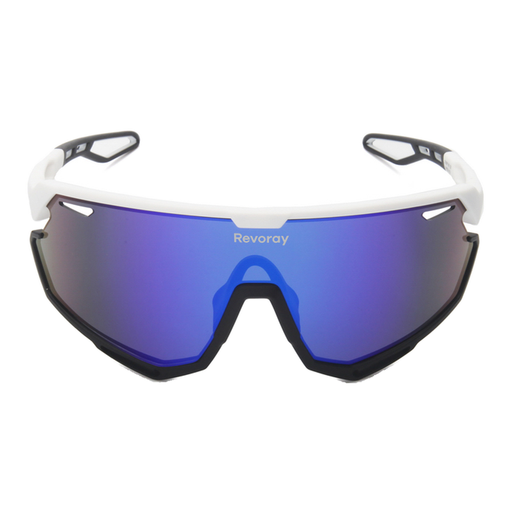
Why this product suits this profile: As cycling glasses and sports sunglasses, they are designed for movement, wind and a secure fit. They are not foldable, but instead cover a specific outdoor use.
The product description specifies a one-piece PC lens, non-slip arm tips and a rubber nose pad rather than a purely lifestyle-oriented frame.
Approximately 30 g, TR90 frame, highly impact-resistant PC lens and UV400 protection according to the manufacturer.
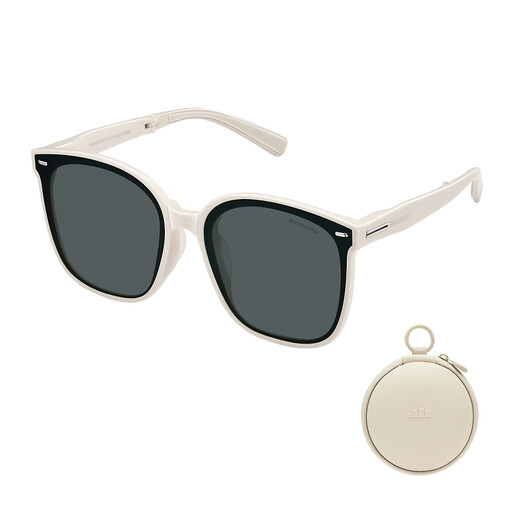
Why this product suits this profile: These oversized sunglasses are worth considering if you are looking for a larger frame, low weight and a space-saving format for travelling or driving.
The stated weight of 26 g and folded thickness of 35 mm make its portability clear, rather than simply advertising it as “compact”.
TR90 frame, Tri-Fold construction, nylon lenses and UV400 protection plus OAR anti-reflective treatment according to the manufacturer.
We have put together a complete, regularly updated list of products that fully meet these strict selection criteria and the safety regulations applicable in the EU.
To keep foldable UV400 sunglasses usable for as long as possible, you should:
When driving, the sunglasses should fit securely and should not impair your vision through an unsuitable tint or reflections. For cycling and other dynamic activities, non-slip contact points and sufficient coverage are more important than a purely fashionable shape.
UV400 refers to the protection against ultraviolet radiation up to 400 nanometres stated by the supplier. For your purchasing decision, you should also check information about tint, light transmission, fit and, where applicable, glare reduction.
This depends on the specific model, tint, fit and product information. A folding function alone does not automatically make sunglasses suitable for driving. Clear vision, a secure fit and light transmission suitable for the situation are important.
It is not possible to give a general service life. Frequently forcing the sunglasses open, high temperatures, pressure in luggage and unprotected storage can put strain on the frame, coatings and hinges. Folding them carefully and storing them in a case can help extend their usable life.