
Lieferung heute & morgen

Qualitätsgarantie

Willkommens-Angebote freischalten: KOSTENLOSE Lieferung | Bis zu 80 % RABATT | Kostenlose 30-Tage-JoyPlus-Testphase
App herunterladen
Foldable UV400 sunglasses need to meet several requirements at once: they must protect your eyes from ultraviolet radiation, reduce distracting reflections when driving, feel comfortable to wear and take up little space in your luggage. At the same time, the design needs to be suitable for everyday use – whether you are looking for oversized sunglasses or a subtle, stylish pair for daily wear.
However, product pages often use terms such as “ultralight”, “scratch-resistant” or “Anti-Glare” without making the crucial details immediately clear. Three common buying pitfalls are particularly relevant:
UV400 refers to a protection range covering UVA and UVB radiation up to a wavelength of 400 nanometres. When buying, this specification should be stated explicitly in the product details. Dark lenses alone are not proof of UV protection.
For driving and bright outdoor conditions, sunglasses with glare protection are also a sensible choice. An anti-reflective coating can reduce reflections on the surface of the lenses. However, it does not replace an appropriate tint or a specific filter category. If the product description does not state a tint category, the sunglasses should not automatically be described as the ideal sunglasses for driving.
According to the manufacturer's product specifications, the Beneunder FD421 models block at least 99.9 per cent of UV radiation and reduce glare by at least 99.6 per cent. These figures refer to the manufacturer's specifications for the respective coating.
A frame made from TR90 is often chosen when you are looking for lightweight sunglasses with flexible material properties. However, it is important to look beyond material descriptions and also consider the weight, hinge construction and intended handling.
When choosing compact foldable sunglasses, you should pay attention to the following:
According to the product specifications, the Beneunder FD421 features a TR90 frame, nylon lenses, a triple-fold mechanism, a weight of 26 grams and a folded thickness of 35 millimetres. This makes it an interesting option as travel sunglasses for a handbag, rucksack or glove compartment.
A wide frame can create a more defined look and provide additional protection from the sun at the sides. With oversized sunglasses, however, the frame width should still match the width of your face. The FD421 is specified as having a frame width of approximately 5.71 inches, a temple length of 5.59 inches and a bridge width of 0.63 inches.
If you prefer a narrower or more contoured fit, you could consider a cat-eye frame with nose and temple pads. For comfort during extended wear, soft contact points, a well-fitting nose bridge and controlled temple pressure are more important than the design label alone.
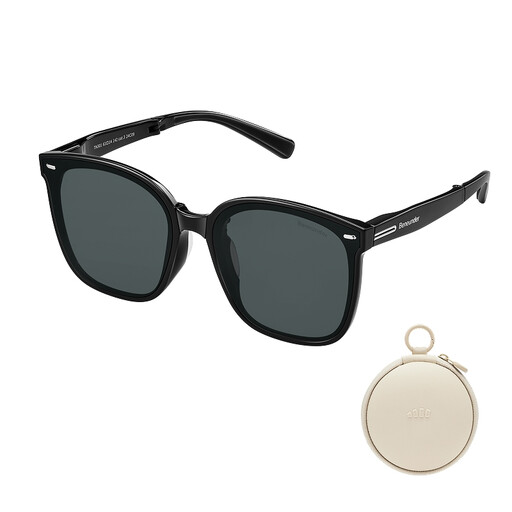
Why this product suits this profile: The wide frame combines a distinctive design with a UV400 specification and a space-saving triple-fold mechanism. It is suitable for everyday journeys, walks and travel.
The product details specify UV400 protection, an anti-reflective coating, the weight and folded dimensions rather than making only general style claims.
TR90 frame, nylon lenses, 26-gram weight and a choice of several frame colours.
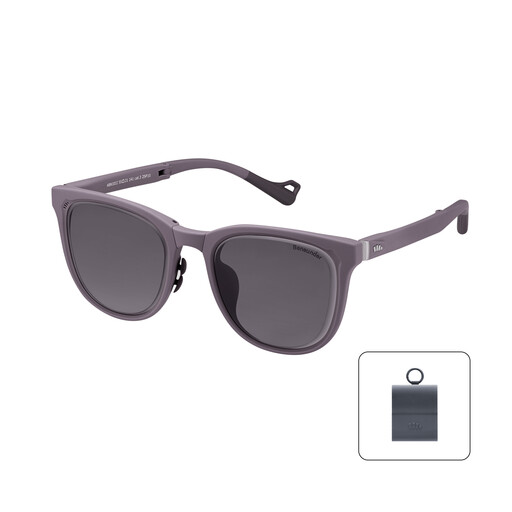
Why this product suits this profile: The classic Boston shape is aimed at shoppers looking for a discreet, practical frame with several protective coating features.
The product description lists adjustable temples, an adjustable nose area, as well as scratch- and grease-resistant coatings.
TR90 frame, UV400 nylon lenses, OAR anti-reflective coating and a stated folded size of 1.15 inches.
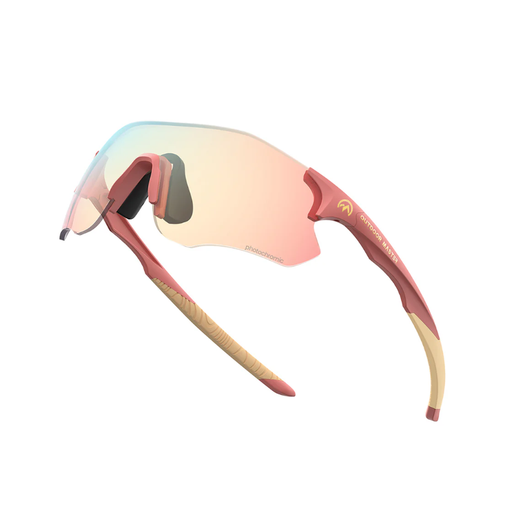
Why this product suits this profile: For sports and changing light conditions, this model offers a photochromic lens as well as accessories for transport and care.
The product details specify UV400 protection, impact-resistant HD lenses, TR90 material and a clearly defined tint adjustment from Cat.0 to Cat.3.
Photochromic HD lenses, non-slip elements, EVA case, cleaning cloth, carry strap and interchangeable nose pad.
We have put together a complete, regularly updated list of products that fully meet these strict selection criteria and the safety regulations applicable in the EU.
The folding mechanism is practical, but it also creates additional mechanical stress. The temples should only be moved at the hinges provided. A case protects the sunglasses from pressure and scratches in a rucksack or glove compartment.
A soft microfibre cloth is recommended for cleaning. Dust should not be rubbed off dry with a piece of clothing, as hard particles can damage the surface. With scratch-resistant sunglasses, the coating also does not mean that the lenses are immune to every type of wear. Sunglasses with an anti-reflective coating should not be treated with harsh cleaning products either.
UV400 describes protection against ultraviolet radiation, not automatic suitability for every driving situation. When driving, you should also check the tint category, light transmission and whether reflections are kept to a minimum. Very dark or unauthorised filters may be unsuitable in poor lighting conditions.
Their lifespan depends on the hinges, material, frequency of use and storage. Folding them carefully and regularly, using a suitable case and cleaning them with a microfibre cloth can help reduce unnecessary wear. Sunglasses should not be used if the hinges are loose or the lenses are damaged, particularly when driving.
Low weight can reduce pressure on your nose and ears, but it does not guarantee a good fit. The frame width, bridge width, temple length and contact points must suit your face shape. For this reason, you should compare the measurements before buying with those of an existing pair of sunglasses that fits well.