
Lieferung heute & morgen

Qualitätsgarantie

Willkommens-Angebote freischalten: KOSTENLOSE Lieferung | Bis zu 80 % RABATT | Kostenlose 30-Tage-JoyPlus-Testphase
App herunterladen
Foldable UV400 sunglasses need to meet several requirements at once: they should fit compactly in your rucksack or glove compartment, provide reliable protection from UV rays and remain comfortable to wear. Many products look similar at first glance, but can differ considerably in terms of folding mechanism, lens coating and fit.
UV400 describes the stated protection range of the lenses, extending to a wavelength of 400 nanometres. On its own, this says nothing about lens quality, tint level, scratch resistance or fit. A very dark lens is therefore not automatically the better choice.
Look for clear product information on UV400 protection, lens material and coating. If the technical details are missing, it can be difficult to assess whether the sunglasses are suitable for your intended everyday use.
Foldable sunglasses save space, but they also have additional hinges. Very thin or stiff mechanisms can be impractical for everyday use. The following features are therefore important:
According to the product information, the Beneunder FD421 models fold down to a thickness of around 35 mm and weigh 26 g. These are useful, verifiable indications of portability, but they do not replace checking the fit and build quality.
Polarised sunglasses can reduce reflections from wet roads, bodies of water and bright surfaces. Glare-free sunglasses, on the other hand, may also refer to an anti-reflective coating. These two properties should not be treated as interchangeable.
When driving, it is also important that your vision is not impaired by excessive tinting, colour casts or reflections. Photochromic lenses can change their tint; however, according to the OutdoorMaster HAWK LT product information, this effect may be limited inside a vehicle because windscreens filter UV rays.
Sunglasses with UV protection should clearly state the relevant protection standard. UV400 is an important technical designation in this respect. It is also worth looking at the lens material:
Information on CE, UV400 or impact resistance should be clearly verifiable in the product details. However, sunglasses are not safety goggles for working with machinery or for direct exposure to sunlight.
With lightweight sunglasses, weight affects wearing comfort, particularly during long walks, journeys or bike rides. Some of the models listed weigh between 26 and 29 g. Weight distribution is also important, however: wide arms, nose pads and flexible elements can improve the fit.
TR90 sunglasses are made from a thermoplastic frame material which, in the products mentioned here, is described as flexible and lightweight. You should also check the frame width, arm length and bridge width. A large oversized or cat-eye pair of sunglasses may fit differently from a narrower Boston shape.
Anti-reflective, oleophobic and scratch-reducing coatings can make everyday care easier. They do not make lenses completely resistant to damage, however. Use a soft microfibre cloth and store the sunglasses in their case. When folding them, avoid touching the lenses with your fingers.
The following models have been assigned to different user profiles based on their folded dimensions, weight, lens details, frame shape and intended use.
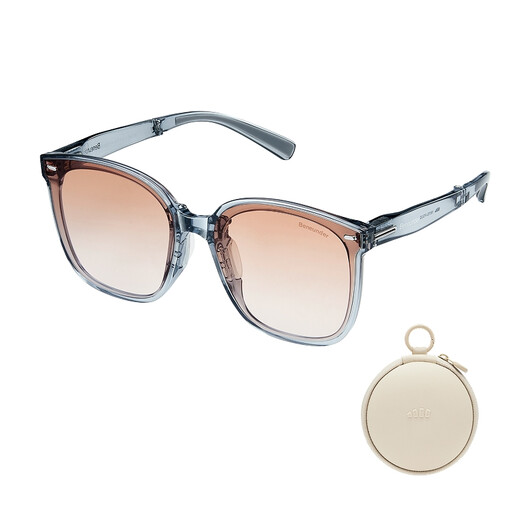
Why this product suits the profile: The foldable design, stated weight of 26 g and compact folded dimensions make these sunglasses suitable for a handbag, rucksack or travel case.
The folded dimensions and weight are stated clearly. The product data also mentions UV400 coating and OAR anti-reflective coating.
TR90 frame, nylon lenses, UV400 specification and a weight of 26 g.
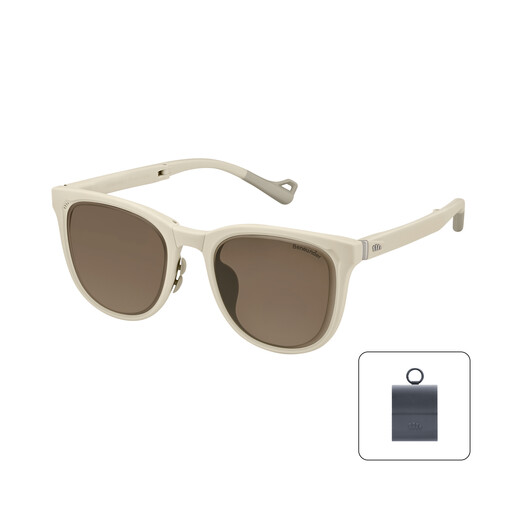
Why this product suits the profile: These Boston sunglasses combine a classic shape with adjustable arm positions and two-axis nose pads.
The product details specify the folded thickness, frame width, arm length and several coatings. This makes it easier to assess the space required and the care characteristics.
TR90 frame, nylon lenses, UV400 plus anti-reflective, oleophobic and scratch-reducing coating, according to the product description.
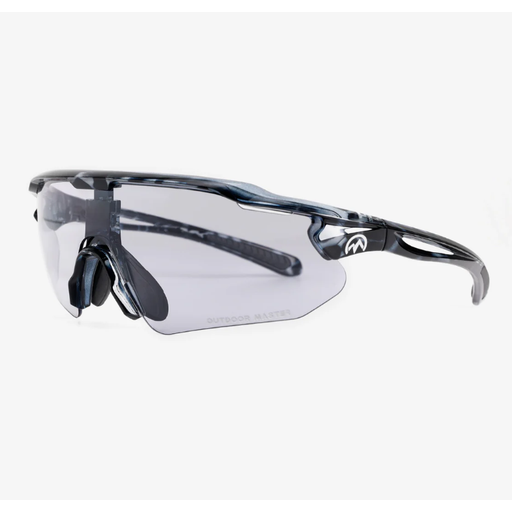
Why this product suits the profile: For cycling and outdoor activities, polarised, photochromic lenses and a lightweight design with adjustable nose pads are valuable features.
The product details specify a weight of 26 to 29 g, UV400, polarisation and an impact-resistant polycarbonate construction. However, the model is not described as foldable sunglasses.
Photochromic and polarised lenses, TR90 frame, adjustable nose pads and an included inner spectacle frame.
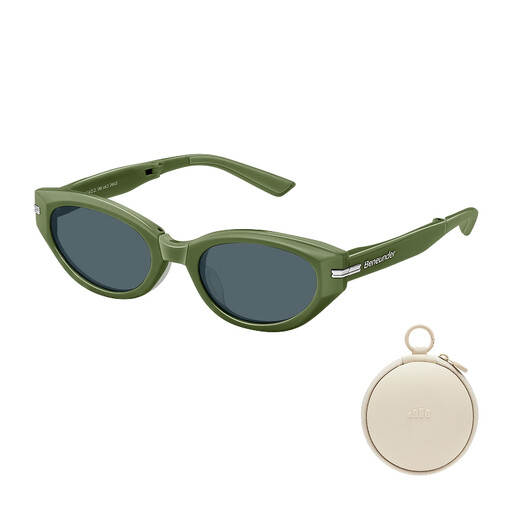
Why this product suits the profile: These cat-eye sunglasses combine a distinctive frame shape with a foldable design and specified nose and arm supports.
The product data clearly lists the TR90 frame, UV400 lenses, OAR anti-reflective coating and five-point elastic hinges.
Foldable TR90 frame, UV400, stated reflection reduction and soft nose and arm supports.
We have put together a complete, regularly updated list of products that fully meet these strict selection criteria and the safety regulations applicable in the EU.
This depends on the tint, lens colour, reflection behaviour and fit. Polarised sunglasses can reduce reflections, but they are not equally suitable for every display or screen. Photochromic lenses may darken less inside a vehicle when the windscreen filters UV rays.
It is not possible to give a reliable fixed service life. It depends on the hinges, materials, care and transport. Fold the arms only in the intended direction, clean the lenses with a microfibre cloth and use a case. Sunglasses should be replaced if the lenses are scratched or damaged.
There are normally no regular running costs beyond the purchase price. Expenses may arise from replacing the case or cleaning cloth, or from replacing damaged lenses. When choosing a model, it is therefore worth looking for one that already specifies the included accessories and care instructions.