
Lieferung heute & morgen

Qualitätsgarantie

Willkommens-Angebote freischalten: KOSTENLOSE Lieferung | Bis zu 80 % RABATT | Kostenlose 30-Tage-JoyPlus-Testphase
App herunterladen
A folding camping chair should take up little space when you are on the go, be quick to set up and provide a stable, secure seat. In practice, however, the differences are not just about price. The frame material, folded dimensions, seat area and actual load capacity are all crucial.
Whether you are trekking, fishing, camping or enjoying a picnic, focusing solely on terms such as “ultralight” or “particularly sturdy” can mean overlooking important details. The following points will help you assess marketing claims objectively and choose a suitable portable outdoor chair.
An ultralight camping chair is useful for hiking and backpacking. However, a particularly low weight may come with a smaller seat area or a lighter frame. For longer stays at a campsite, fishing trips or people with a higher body weight, a slightly heavier model may be more comfortable and practical.
That is why you should always consider the relationship between chair weight, packed size, seat width and static load capacity. A chair weighing 765 g with a load capacity of around 140 kg is designed for a different type of use than a 2.35 kg model with a wider seat.
The stated load capacity generally refers to a static load. It does not automatically mean that the chair will withstand sudden movements, leaning sideways or uneven ground to the same extent.
Before buying, you should check:
These points are particularly relevant when choosing a high-load-capacity camping chair.
Oxford fabric and coated metal frames may be suitable for outdoor use. That does not mean a folding chair should be left out permanently in the rain or direct sunlight. Moisture can damage metal parts, while UV rays and damp can place long-term stress on the material.
After use, the chair should be cleaned, dried completely and stored somewhere dry and protected from direct sunlight.
An aluminium frame reduces weight and is suitable for trekking, backpacking and longer journeys. According to the product specifications, the Mobi Garden models with aluminium alloy frames each weigh approximately 765 g. Their packed size is around 11 × 11 × 36 cm.
A carbon steel frame is usually heavier, but it can allow for a wider seat and a more robust construction. The larger Moon Chair models made from carbon steel weigh approximately 2.35 kg and measure around 16 × 16 × 70 cm when packed. These dimensions are better suited to camping, picnics or fishing trips where you are travelling by car or bicycle.
An Oxford fabric camping chair should not be judged solely by the name of the fabric. Other relevant factors include:
The smaller models offer a seat area of approximately 51 × 48.5 cm, with a seat height of 65 cm and an overall height of 65 cm. The wider versions have a seat width of 64.5 cm and a seat height of 36 cm. This makes them more suitable for users who want more room when seated.
A compact camping chair should fit in a rucksack, boot or bike bag. So do not check the packed size solely from the product images. A lightweight folding chair with a short packed size is considerably more practical for trekking than a wide model with a long transport length.
You should also ensure that it can be set up safely. The chair must be fully unfolded, and all feet should rest on a firm, level surface at the same time. A quick folding mechanism does not replace checking the chair before every use.
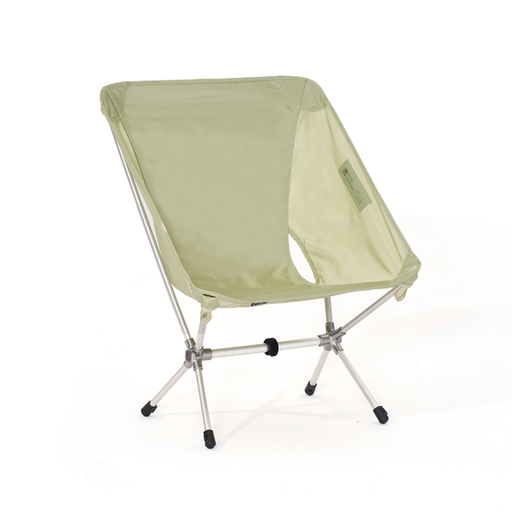
Why this product suits this profile: Weighing approximately 765 g and with a compact packed size, it is suitable for occasional outings, hikes and portable camping equipment.
The product clearly states its weight, packed size and static load capacity of approximately 140 kg. This makes it easy to compare the most important specifications before buying.
Aluminium frame, Oxford fabric, rubber feet and a folding design for quick set-up.
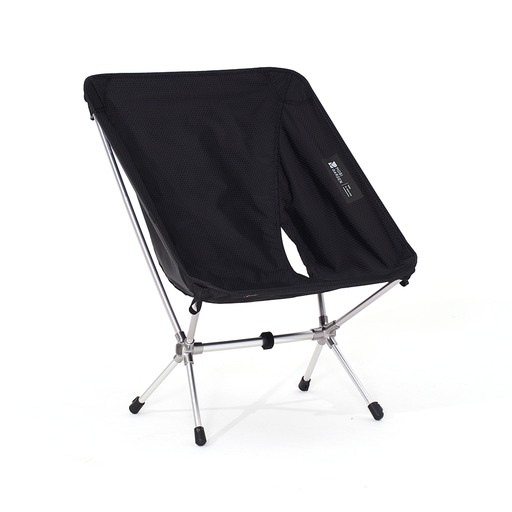
Why this product suits this profile: The combination of low transport weight, a triangular frame structure and Oxford fabric is designed for regular trekking and backpacking trips.
The product specifications distinguish between unfolded dimensions, packed size and static load. This makes it easier to choose for backpacking trips where every centimetre counts.
Approximately 765 g in weight, a stated static load capacity of 140 kg and non-slip rubber feet.
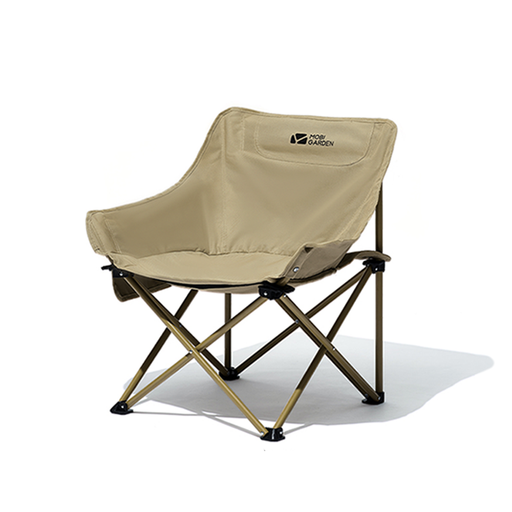
Why this product suits this profile: The 64.5 cm-wide seat, 36 cm seat height and side pocket make it suitable for camping, picnics and use as a folding fishing chair in more stationary settings.
The higher weight of approximately 2.35 kg is put into context by the wider seat and clearly stated static load capacity of approximately 100 kg.
Carbon steel frame with corrosion protection, padded Oxford fabric and a side pocket.
We have put together a complete, regularly updated list of products that fully meet these strict selection criteria and the safety regulations applicable in the EU.
To keep a folding camping chair in good working order for as long as possible, you should follow the manufacturer's instructions:
Many compact models are only suitable to a limited extent for uneven, sloping or soft ground. Rubber feet can improve grip, but they cannot replace a level surface.
Unfold the chair fully and check that all legs are resting on firm, level ground at the same time. Only then should you put weight on the seat. Avoid applying sideways force to the backrest or frame, and do not hang heavy items from the corners.
Its lifespan depends on how often it is used, the load, the ground conditions and how well it is cared for. Dry the chair after contact with rain and do not store it outdoors permanently. Regularly checking the seams, joints, rubber feet and frame will help you spot signs of wear at an early stage.
For trekking and backpacking, low weight and a compact packed size are particularly important. An aluminium folding chair weighing approximately 765 g may be more suitable than a wide Moon Chair weighing 2.35 kg. However, if you mainly travel by car to the campsite, fishing spot or picnic location, you may benefit from a larger seat area.