
Lieferung heute & morgen

Qualitätsgarantie

Willkommens-Angebote freischalten: KOSTENLOSE Lieferung | Bis zu 80 % RABATT | Kostenlose 30-Tage-JoyPlus-Testphase
App herunterladen
A folding camping chair should take up little space on the move while still standing securely. In practice, however, unclear weight specifications, poorly explained load ratings and oversized features often lead to unsuitable purchases. This applies to campsites as well as festivals, fishing trips, hikes and the garden.
A lightweight camping chair is not automatically suitable for every trip. Models weighing under one kilogram are easy to carry in a rucksack, but often have a smaller seat and less padding. A comfortable folding camping chair for camping, on the other hand, can weigh several kilograms and is better suited to being transported by car, in a caravan or over a short distance to a fishing spot.
The key factor is therefore the combination of weight, packed dimensions and intended location. For trekking and backpacking, every additional gram counts. For families, garden owners or festival-goers, seat height, backrest and load capacity may be more important.
A stated static load capacity does not describe every movement situation. It applies only under the specified conditions, such as on firm, level ground and with the chair fully unfolded. Dropping into the chair, applying sideways force or placing it on sloping ground can put additional strain on the structure.
You should therefore look for clear information on maximum static load capacity and never exceed it. A robust camping chair with a load capacity of 150 or 180 kg is not automatically designed for uneven slopes or dynamic loads.
A camping chair with armrests, a cup holder or a side table can be practical. However, these features generally increase weight, packed size and the number of moving components. For a multi-day trekking trip, a cup holder is often less important than a compact packed size. For stationary camping or use in the garden, the same accessories can significantly enhance practicality.
Always compare the net weight with the packed dimensions. An ultralight camping chair weighing around 765 g with packed dimensions of approximately 11 × 11 × 36 cm is generally suitable for backpacking, provided that the seat size and seat height suit the user.
A larger portable outdoor chair can offer greater comfort, but requires considerably more storage space. Check whether the folded chair will fit in your rucksack, boot or intended storage area.
Aluminium frames are often designed to keep weight low. Steel frames may be heavier than aluminium frames of a similar size, but depending on their construction they can offer different stability characteristics. The material alone is not a sufficient indicator of quality: tube thickness, joints, connection points and foot caps also affect suitability for everyday use.
Non-slip foot pads are helpful on firm surfaces. Nevertheless, every folding camping chair should be placed on a level, load-bearing surface. Before sitting down, make sure that all the legs are fully resting on the ground.
Pay attention to the stated dimensions for seat width, seat depth and backrest. A compact trekking chair saves space, but may feel less comfortable for taller people. For longer periods of use, a higher backrest, armrests and a stable seating area are often worthwhile.
With a camping chair set of 2, you should also check whether the weight per chair, load capacity per chair and number of carry bags are clearly stated.
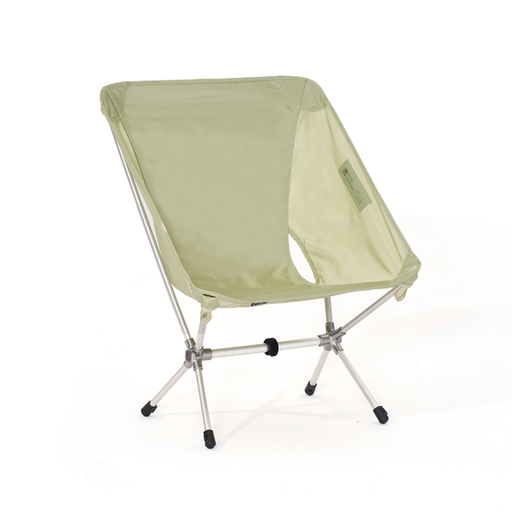
Why this product suits this profile: With a stated weight of around 765 g and a compact packed size, it is aimed at users looking for a folding camping chair for rucksacks, trekking and short breaks.
The weight and packed dimensions are clearly stated. The usage instructions also highlight the need for level ground and the static load limit.
Aluminium frame, Oxford fabric, rubber foot caps and a stated static load capacity of approximately 140 kg.

Why this product suits this profile: This larger folding chair is designed for camping, the garden, picnics, fishing and festivals, where seating comfort and load capacity are more important than a low transport weight.
The specifications state both the weight of 3.3 kg and the dimensions of 47 × 63 × 87 cm, making the greater space requirement clear.
Aluminium frame, polyester fabric, padded armrests, side table and a stated maximum load capacity of 180 kg.
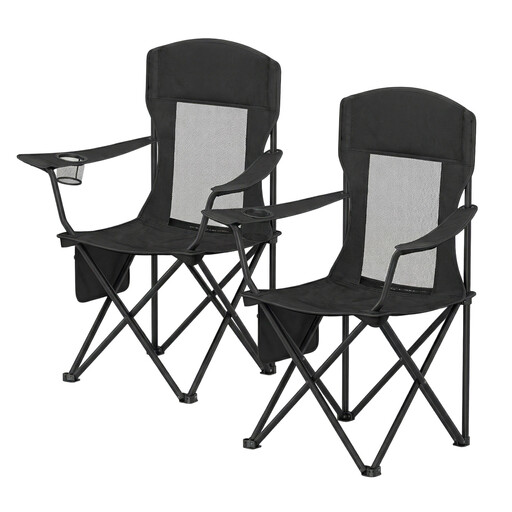
Why this product suits this profile: This two-piece set is suitable for couples, families and regular use in the garden, on picnics, while fishing or when camping.
The product data states 2.5 kg per chair, a maximum static load capacity of 150 kg per chair and two carry bags.
Steel frame, Oxford fabric, quick-drying mesh, armrests, cup holder and organiser pocket.
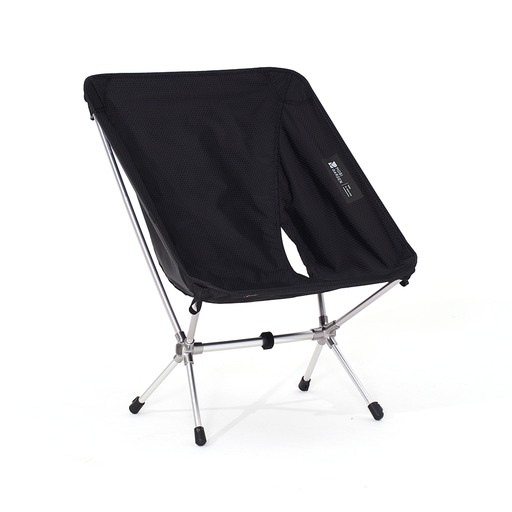
Why this product suits this profile: The black version has the same stated dimensions as the green model and can be packed away compactly for longer distances.
The compact design is backed up by specific figures for the 765 g weight, 11 × 11 × 36 cm packed dimensions and static load capacity of approximately 140 kg.
Quick-fold mechanism, triangular frame structure, Oxford seat and non-slip rubber foot caps.
We have put together a complete, regularly updated list of products that fully meet these strict selection criteria and the safety regulations applicable in the EU.
To keep a folding camping chair usable for as long as possible, remove dust, grass, mud and moisture after every use. The frames and seats of the models mentioned can be cleaned with a damp cloth. Do not use aggressive cleaning products or machine-wash the chairs.
Allow the material to dry completely in the open air, then store the chair somewhere dry and cool, protected from direct sunlight. In rainy conditions, wipe down a metal frame in particular before storing it. Regularly check the joints, seams, foot caps and frame tubes for visible damage.
Place the chair on firm, level ground and unfold it completely. Before use, check that all the legs are resting on the ground at the same time and that the locks or joints are correctly positioned. Keep your fingers and hands away from the joints when folding and unfolding the chair.
Its lifespan depends on how often it is used, the load, the ground conditions, the weather and how well it is cared for. It is not possible to give a general time frame. Staying within the maximum static load capacity, avoiding permanent storage in the rain or sun and spotting damaged parts early will help reduce typical wear-related risks.
For hiking and backpacking, a lightweight or ultralight camping chair with a small packed size is a sensible choice. Also check the seat height, seat width and load capacity. A large camping chair with armrests is more comfortable for longer stays, but is generally less practical to carry in a rucksack over many kilometres.