
Lieferung heute & morgen

Qualitätsgarantie

Willkommens-Angebote freischalten: KOSTENLOSE Lieferung | Bis zu 80 % RABATT | Kostenlose 30-Tage-JoyPlus-Testphase
App herunterladen
A folding camping chair needs to be quick to set up, easy to transport and sturdy enough for its intended use. In practice, however, unclear weight specifications, unstable folding mechanisms or a packed size that is too large often lead to the wrong purchase. Especially on longer trips, when fishing or at festivals, it quickly becomes clear whether a model actually suits your needs.
The term ultra-light camping chair is not standardised. A low weight alone tells you little about how easy it is to carry. What also matters is how compactly the chair folds down and whether a carry bag is included.
A model with a slim packed size will fit into a rucksack or the storage compartment of a campervan. A larger portable outdoor chair, on the other hand, may be more suitable for the car, garden or beach, even though it weighs significantly more.
A specification such as "up to 180 kg" usually refers to static load under the intended conditions. Jerky movements, leaning sideways or uneven ground can put additional strain on the construction. Before buying, you should therefore check:
A camping chair with armrests or a cup holder can be practical when fishing, in the garden or at a festival. However, armrests take up more space and usually increase the weight. A high backrest and a wide seat are important for sitting for longer periods, while they mean extra luggage when trekking.
For camping chairs for trekking and hiking, a low weight and a small packed size are particularly important. One example from the product specifications of Mobi Garden weighs around 765 g and measures approximately 11 × 11 × 36 cm when folded. This makes the model easier to transport in a rucksack or a small side pocket.
For a campervan, car or garden, a folding garden chair can be larger. Here, seat height, back support and ease of cleaning often matter more than every gram saved.
A camping chair made of aluminium can offer a low weight. According to product specifications from Mobi Garden, the frame of the Ultra-Light Moon Chair is made from aluminium tubes and uses a triangulated construction. Rubberised foot pads are designed to provide extra grip on suitable, firm ground.
Steel frames are often heavier, but can be used in larger chairs with a high load capacity. Regardless of the material, the chair should be fully opened, all feet must be in contact with the ground at the same time, and the ground should be level and firm.
For longer periods of sitting, seat width, seat depth and backrest height are more important than pure marketing claims. According to the product description, the Portal 356 model has a seat surface of 58 × 52 cm, a seat height of 50 cm and a backrest of 70 cm. The stated maximum static load is 180 kg.
For a camping chair for fishing or a model for older people, a higher seating position and sturdy armrests can make getting up easier. Nevertheless, individual mobility should be taken into account. A load capacity specification does not replace checking the instruction manual.
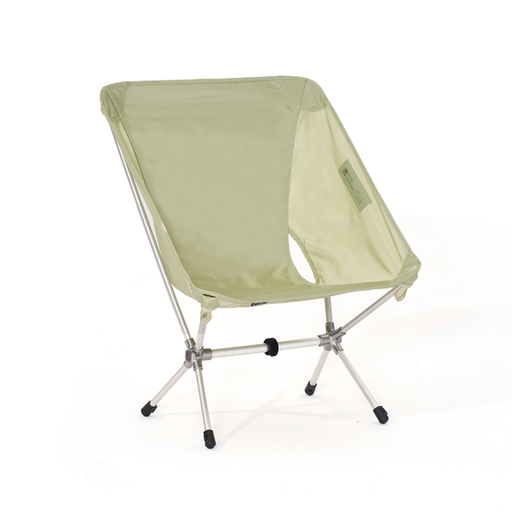
Why this product fits the profile: The low weight of around 765 g and the compact packed size make it suitable for short trips, rucksack travel and occasional camping use.
The packed size is clearly stated. In addition, the aluminium frame, Oxford fabric and rubber foot pads are specified in the product description.
Around 765 g weight, packed size of approximately 11 × 11 × 36 cm and stated static load capacity of around 140 kg.
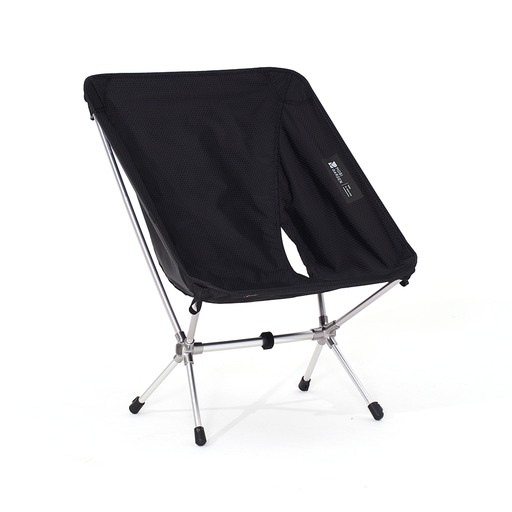
Why this product fits the profile: The combination of aluminium frame, Oxford seat surface and quick folding mechanism is designed for regular outdoor use with limited luggage.
The one-step folding system reduces unnecessary handling. However, the chair must still be fully opened and positioned on level ground before each use.
Aluminium tube frame, hard-wearing Oxford fabric, around 765 g weight and approximately 140 kg stated static load capacity.

Why this product fits the profile: The taller, wider build with sturdy armrests is suitable for camping, the garden, fishing, the beach, festivals and longer periods of sitting.
The product data lists seat dimensions, backrest height, weight and maximum load capacity. This makes it easier to assess the space required before buying.
Stated load capacity up to 180 kg, 70 cm high backrest, sturdy armrests, swivel cup holder and side pocket.
We have put together a complete, regularly updated list of products that fully meet these strict selection criteria and the safety regulations in force in the EU.
Before sitting down, the folding camping chair must be fully opened and locked. Make sure that all feet are standing on firm ground at the same time. Sloping, soft or uneven surfaces increase the risk of tipping over.
For care, a damp cloth is sufficient for the models mentioned. The materials should not be cleaned in a washing machine or immersed in water. After rain, snow or damp storage, the frame and fabric must be allowed to dry completely. This prevents moisture from settling on the metal over time.
Choose the load capacity specification to match your body weight and take into account additional loads from clothing, luggage or movement. The stated maximum load must not be exceeded. For particularly robust models, a camping chair up to 180 kg is available; the manufacturer's conditions for use also apply here.
For trekking and rucksack travel, a lightweight camping chair, a small packed size and straightforward assembly are crucial. An aluminium frame weighing around 765 g may be more suitable than a large chair with armrests. Also check whether the seat height and seat width are sufficient for your height.
The lifespan depends on load, ground conditions, weather and care. A chair should not be permanently exposed to sun or rain. Regular drying, checking the joints and fabric, and adhering to the load limit can reduce wear and tear. If you notice visible tears, bent frame tubes or damaged locking mechanisms, the product should no longer be used.