
Lieferung heute & morgen

Qualitätsgarantie

Willkommens-Angebote freischalten: KOSTENLOSE Lieferung | Bis zu 80 % RABATT | Kostenlose 30-Tage-JoyPlus-Testphase
App herunterladen
A folding camping chair should be quick to set up and take up little space when you’re camping, fishing, at a festival or on the beach. In practice, though, the differences aren’t just about price. A small packed size may mean a narrower seat, while a frame that looks sturdy can add considerably to the weight you have to carry.
The following points can help you avoid common buying mistakes and choose a folding camping chair that suits the way you plan to use it.
Descriptions such as lightweight camping chair or ultralight trekking chair are only useful if the net weight is given in grams or kilograms. On longer walks, a few hundred grams can make a difference. For car camping or the garden, a little extra weight is often acceptable if it means a sturdier frame and a larger seat.
Also check whether the stated weight is for one chair or for a set of 2 camping chairs.
The stated maximum static load capacity describes the weight a chair can support under still conditions. Sitting down, standing up or leaning to one side puts extra force on it, so you shouldn’t push the chair to its limit.
It’s also important to ensure:
A folding camping chair isn’t automatically suitable for uneven woodland ground, steep riverbanks or soft sand.
A camping chair with a cup holder or organiser pocket is handy, but it can’t make up for a seat that doesn’t fit you properly. Check the seat width, back height, armrests and seat height. A high back can be more comfortable when you’re sitting for a long time, while a compact folding chair is easier to carry to the beach or on a picnic.
The material is worth considering too. Oxford fabric is designed to withstand wear, while mesh can help with ventilation and drying. Neither guarantees protection in all weather. After rain, dry the chair thoroughly and store it somewhere dry.
For trekking, backpacking and train journeys, low weight and a compact packed size are essential. According to the product details, the Mobi Garden Ultra-Light Moon Chair weighs around 765 g and measures approximately 11 × 11 × 36 cm when folded. These dimensions make it easier to stow in a rucksack or small carry bag.
For campsites, festivals, fishing trips and the garden, a larger chair with more seat space may be a better choice. According to the product details, the JOYFURNOS chair weighs 2,5 kg per chair. In return, it has a roomier design with a high back and comes as a set of two.
A camping chair with a steel or aluminium frame can suit different needs:
Don’t rely on the material description alone. The joints, tube diameter, feet, seat attachments and stated static load capacity are also important.
For longer stays, the backrest, seat width and armrests all matter. A portable outdoor chair with a cup holder is handy for breaks by the lake, while fishing or at the campsite. For walks, though, every extra gram usually counts.
Keep the following in mind when choosing:
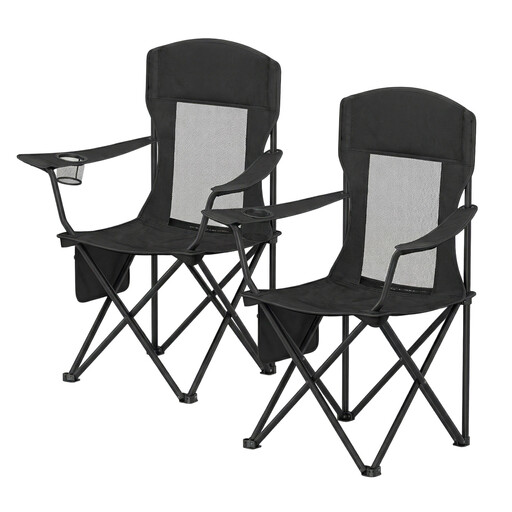
Why this product suits this profile: This set of two chairs is designed for couples, families and shared time in the garden, at the campsite or on a picnic.
The weight and load capacity are listed per chair: around 2,5 kg and a maximum static load of 150 kg. This makes it easier to assess than a single figure given for the whole set.
Steel frame, high backrest, cup holder, organiser pocket and two carry bags.
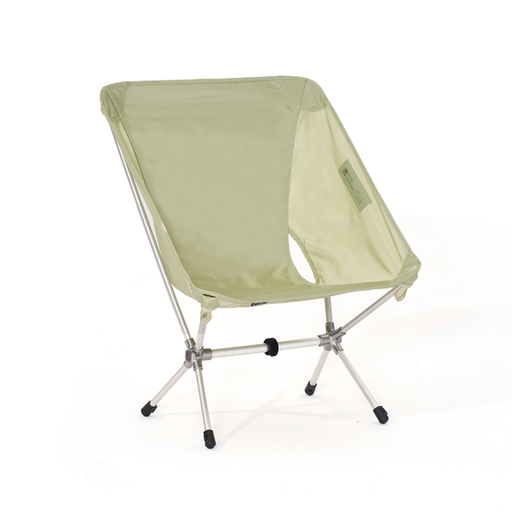
Why this product suits this profile: The aluminium frame and compact folding design will appeal to anyone who prioritises technical specifications and a low carry weight.
The specifications give both the weight, around 765 g, and the packed size, 11 × 11 × 36 cm. The chair should only be used on firm, level ground.
Aluminium frame, triangular structure, Oxford fabric, anti-slip rubber feet and a static load capacity of around 140 kg.
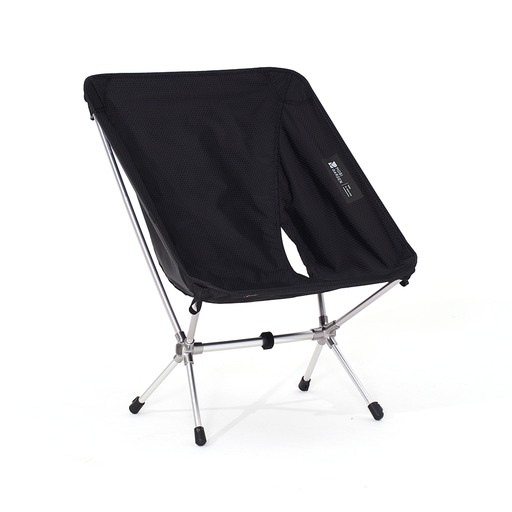
Why this product suits this profile: The black version is suited to trekking, backpacking and spontaneous breaks when you need to keep your luggage compact.
The chair isn’t described as suitable for uneven or sloping surfaces. The instructions specify that it must be fully unfolded and placed on firm ground, and that its load capacity must not be exceeded.
Low weight of around 765 g, one-handed folding mechanism, hard-wearing Oxford fabric and aluminium tubes.
We’ve put together a complete, regularly updated list of products that meet these strict selection criteria and fully comply with the safety regulations in force in the EU.
After use, remove any sand, mud, grass and moisture. A damp cloth is enough for many models; chemical cleaners or machine washing may damage the fabric and coatings. Let the chair air-dry completely, then store it somewhere dry and cool, away from direct sunlight.
It’s worth giving the chair a quick check before each use:
Unfold the chair fully and check that all the struts have locked into place or are properly tensioned. Set it up on a firm, level surface. Only put weight on the seat once all the feet are resting securely on the ground.
How long it lasts depends on the load, ground, weather and care it receives. Prolonged exposure to damp, UV rays, sand in the joints and overloading can wear down the materials and connections more quickly. Storing the chair somewhere dry and checking it regularly can help you use it as intended.
There are no ongoing energy costs with normal use. You only need to allow for care, occasional replacement parts and, if necessary, a new carry bag. So it’s less about running costs and more about choosing a chair that suits your weight requirements, where you’ll use it and how often you’ll transport it.