
Lieferung heute & morgen

Qualitätsgarantie

Willkommens-Angebote freischalten: KOSTENLOSE Lieferung | Bis zu 80 % RABATT | Kostenlose 30-Tage-JoyPlus-Testphase
App herunterladen
A folding camping chair should be quick to set up, easy to carry and sufficiently sturdy. In practice, however, unclear weight specifications, unsuitable materials or an overly large packed size often lead to disappointing purchases. This is particularly worth considering on longer hikes, while fishing or at the campsite, where the technical specifications matter more than marketing promises.
The term lightweight camping chair alone says very little. Some sellers only state the weight of the frame or leave out the weight of the carry bag. For transport, however, the total weight including accessories is what matters. A camping chair for hiking should also have a compact packed size so that it can be stored in a rucksack or attached to the outside.
A weight limit usually refers to a static load and a particular type of surface. Dynamic movement, leaning sideways or uneven grass can place greater strain on the construction. Buyers should therefore check whether the value is explicitly stated and only use the chair on firm, level ground.
A compact camping chair saves space, but can be uncomfortable if the seat is too narrow. For longer periods of sitting while fishing or camping, seat width, seat depth and seat height are crucial. A moon chair camping model often provides a different seating position because of its curved shape compared with a straight-legged tripod chair. This is not an indication of quality, but a question of the intended use.
For trekking, backpacking and hiking, around 765 g net weight and a packed size of 11 × 11 × 36 cm are useful points of reference. An ultralight camping chair of this kind is easier to fit into your luggage than a model with a steel frame. For car camping, picnics or fishing, on the other hand, a higher weight may be acceptable if seat width and padding are more important.
An aluminium camping chair generally combines low weight with a metal that is susceptible to corrosion and should be dried thoroughly after contact with rain. The frames of the models described here are made from aluminium alloy or carbon-coated steel.
The frame geometry is also important:
Oxford fabric is commonly used for portable outdoor chairs. The material specification is not the only relevant factor; seat width and the stated load capacity are also important. The Mobi Garden models in this selection specify static load limits of approximately 100 kg and 140 kg, respectively. These values must not be exceeded.
Before buying, you should also check whether the chair needs to be fully unfolded and whether all feet rest on the ground at the same time. This reduces the risk of tipping during use.
The following models meet different requirements, from keeping rucksack weight to a minimum to providing a wider seat for picnics and fishing.
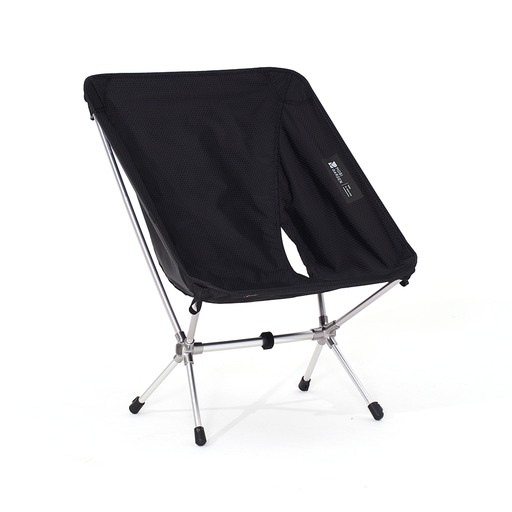
Why this product suits this profile: Weighing around 765 g and with a packed size of 11 × 11 × 36 cm, this model is suitable for occasional outings, short hikes and camping where storage space is limited.
The net weight, packed size and static load capacity of around 140 kg are clearly specified. This makes it easier to assess the weight you will need to carry.
Aluminium frame, Oxford fabric, triangular frame structure and one-handed folding mechanism.
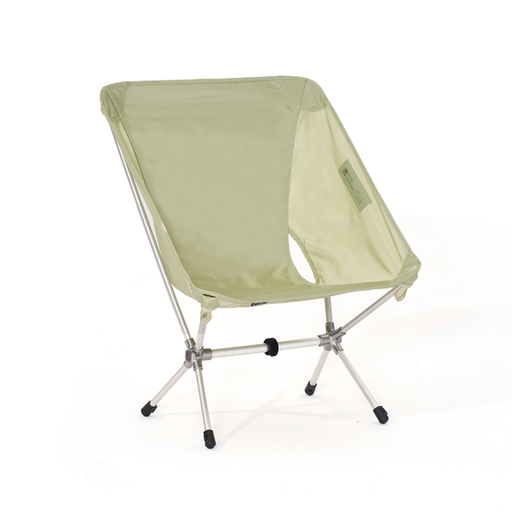
Why this product suits this profile: For regular trekking and backpacking trips, this model combines low weight with a specified static load capacity of around 140 kg.
The manufacturer’s specifications state the material, dimensions, load capacity and care instructions. This makes it easier to check whether the model is suitable for your intended use.
Aviation-grade aluminium alloy, hard-wearing Oxford fabric and non-slip rubber feet.
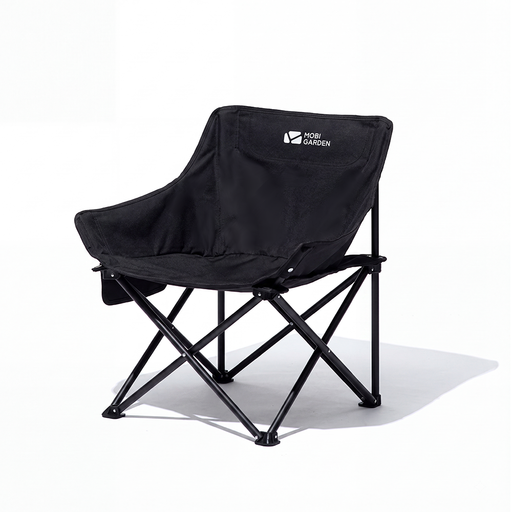
Why this product suits this profile: With a seat width of 64.5 cm, a seat height of 36 cm and an integrated side pocket, this chair is designed for longer periods of sitting while fishing, enjoying a picnic or camping.
The seat area and static load limit of around 100 kg are clearly stated. This prevents comfort from being judged solely from product images.
Carbon steel frame with multi-layer corrosion coating, padded Oxford fabric and side pocket.
We have put together a complete, regularly updated list of products that fully meet these strict selection criteria and the safety regulations applicable in the EU.
Even a sturdy camping chair requires the right care. After use, remove dust, mud, grass, insects and moisture. The frame and cover of the models mentioned can be cleaned with a damp cloth. Do not machine-wash or use chemical cleaning products. The chair should then be air-dried in the shade and stored somewhere dry and cool, away from direct sunlight.
When setting it up, follow these points:
First, unfold the frame fully. Then check that the seat is taut and that all feet are standing securely on the ground. Set-up on firm, level ground is preferable. With a one-handed folding mechanism, do not concentrate force on the upper struts or foot areas.
Its service life depends on the load, surface, weather and care. Leaving it out frequently in the rain or direct sunlight can put strain on the fabric and metal parts. Clean and dry it after every use, then store it in the carry bag. Visible tears, bent struts or loose connections are all reasons to stop using the chair.
The price depends, among other things, on the frame material, seat width, load capacity, packed size and additional features. An ultralight camping chair for trekking may be priced differently because of its aluminium frame than a wide moon chair with a steel frame and side pocket. What matters is whether the technical specifications match your intended use.