
Lieferung heute & morgen

Qualitätsgarantie

Willkommens-Angebote freischalten: KOSTENLOSE Lieferung | Bis zu 80 % RABATT | Kostenlose 30-Tage-JoyPlus-Testphase
App herunterladen
A good folding deck chair can transform your garden, balcony, or campsite into a personal relaxation zone. However, the market is flooded with models of widely varying quality. Many buyers discover only after a short time that their new piece of furniture cannot withstand the rigors of daily use. Before you make a decision, it's crucial to understand the most common weaknesses often hidden behind appealing product images.
The three most common defects that can render a seemingly solid deck chair unusable are:
A closer look at the core features will help you avoid these pitfalls and find a product that will reliably serve its purpose for many seasons to come.
To identify a durable and functional folding deck chair, you should carefully examine three technical parameters. These are key in determining stability, comfort, and portability.
The frame is the foundation of any chair. The choice of material and its construction are crucial for both stability and weight.
The cover fabric is a major contributor to sitting and reclining comfort and must be able to withstand the elements.
The functionality of a folding deck chair is evident in its adaptability and handling.
Instead of making a one-size-fits-all recommendation, we have selected products based on specific use cases and requirements.
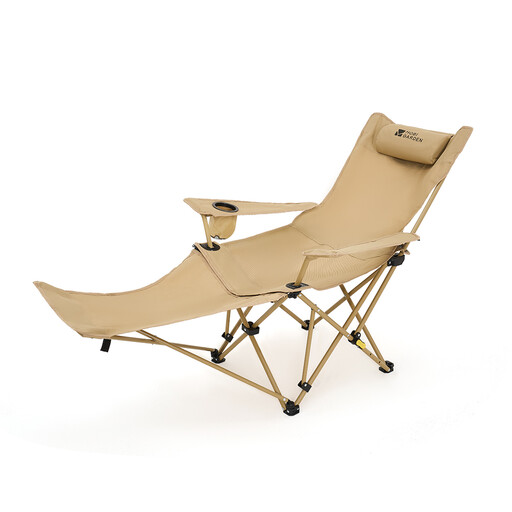
Why it's a good fit: Ideal for camping, fishing, or park visits. Weighing approximately 4.45 kg and featuring a compact pack size, this chair is highly portable. Practical details like the cup holder and side pocket make it the perfect companion on the go.
The thickened X-frame made of carbon steel avoids the instability pitfall, offering a reliable static load capacity of approx. 110 kg. The tear-resistant Oxford fabric counteracts the problem of low-quality covers.
Seamlessly switch between sitting and reclining positions; ergonomic design with full support for the head, neck, back, and legs.
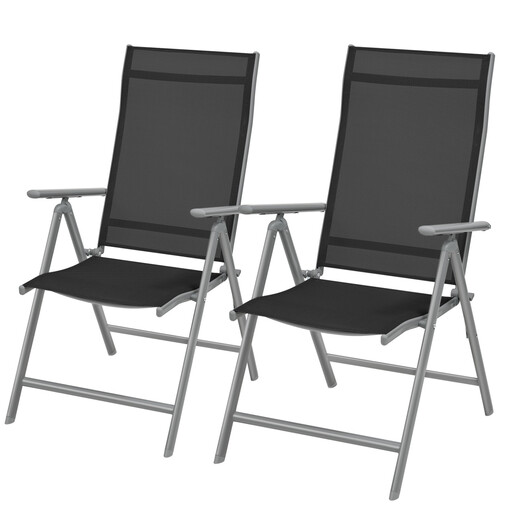
Why it's a good fit: A practical solution for the patio or balcony where space is a consideration. The set of 2 offers a uniform look and great value for money. The chairs fold flat for space-saving storage.
It addresses the pitfall of misleading load capacity claims with a clearly stated and robust capacity of 150 kg per chair, supported by a sturdy aluminum frame. The 8-level adjustment mechanism is more reliable than many simple friction-based systems.
High load capacity of 150 kg; 8-way adjustable backrest for individual comfort and breathable synthetic fabric for hot days.
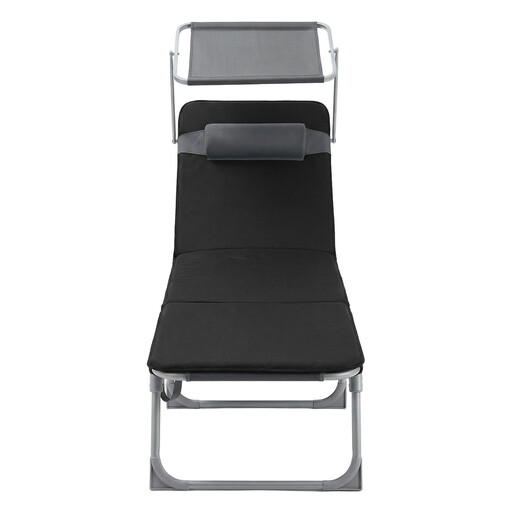
Why it's a good fit: For those seeking a full-fledged sun lounger experience with maximum comfort. The continuous padding, detachable headrest, and adjustable sunshade offer a high degree of luxury for relaxing hours by the pool or on the patio.
The reinforced frame and non-slip feet directly address stability concerns. The adjustable sunshade solves the common problem of glare, which is often ignored in simpler chairs.
Integrated sunshade for glare-free relaxation; continuous padding and a static load capacity of up to 150 kg for maximum comfort and safety.
We have curated a comprehensive, up-to-date selection of products that meet these strict selection criteria.
The specified high load capacity (e.g., 110 kg or 150 kg) refers to the maximum static load on a flat surface. For a long lifespan and everyday safety, it is advisable to choose a model whose load limit is significantly higher than your own body weight. This creates a safety margin for dynamic loads. Materials like carbon steel or aluminum alloys in an X-shaped construction further increase stability.
The choice depends on the primary use case. Aluminum is lightweight and rust-free, making it ideal for mobile use as a beach chair or camping chair. Steel is more robust and stable but heavier, making it better suited for stationary use in the garden or on the patio as a folding garden chair or garden recliner. For the cover fabric, Oxford fabric is a proven standard for durability, while breathable synthetic fabric provides more comfort on hot days.
Proper care is straightforward and effective. When not in use, store the chair in a dry place to prevent material damage from moisture. Avoid prolonged, direct exposure to sunlight and rain. A damp cloth is usually sufficient for cleaning; harsh cleaning agents should be avoided. Regularly check that the joints and screw connections are secure.