A folding table is a functional solution for creating flexible room layouts. Its primary purpose is to provide a stable surface when needed and to be stored compactly when not in use. This feature makes it an essential piece of furniture for environments with limited space, such as small apartments, balconies, or for temporary events. Selecting the right model depends on your specific requirements for material, size, and stability.
Buying Guide: Technical Criteria for Your Selection
The decision to purchase a folding table should be based on an analysis of objective parameters. The following criteria are crucial for the product's functionality and durability.
Material Analysis
The material determines a folding table's potential uses, maintenance requirements, and lifespan.
- Wood: A wooden folding table offers a natural aesthetic. Materials like poplar wood, used in some models, have a natural resistance to moisture and insect infestation. The surface treatment (e.g., varnish or oil) is critical for protection against the elements, especially when used as a folding garden table. Maintenance typically involves wiping it down with a soft cloth.
- Metal: Models made of metal, often steel or aluminium, are distinguished by their high robustness and durability. A powder-coated metal folding table is well-protected against corrosion, making it suitable for permanent outdoor use. Metal tables are low-maintenance and can be easily cleaned with a damp cloth. Their heavier weight can enhance stability.
- MDF (Medium-Density Fibreboard): Tabletops made from MDF are a common option for indoor use. They provide a smooth, uniform surface and are cost-effective to produce. However, MDF is susceptible to moisture. Prolonged contact with water can cause the material to swell, which is why these tables are designed primarily for dry, indoor environments.
- Plastic: Tables made from polypropylene or other plastics are lightweight, weather-resistant, and very easy to maintain. They are often the most practical choice for camping or events where easy transport and straightforward cleaning are top priorities.
Mechanism and Load Capacity
The folding mechanism is a core technical feature. Simple hinge systems allow the table legs to fold flat underneath the tabletop. More complex mechanisms, like those found on some wall-mounted folding tables, require fixed installation.
The load capacity is a critical specification provided by the manufacturer. It defines the maximum weight the table can safely support. For a side table, 10-15 kg may be sufficient, whereas a model used as a dining table or a folding bar table should have a load capacity of 50 kg or more to ensure the necessary stability.
Dimensions and Application
The table's dimensions must suit the available space and its intended use.
- Folding balcony table: For small balconies, compact models with a side length of 60 cm or less are ideal. A small folding table with a square or semi-circular shape can be placed directly against a wall to maximise floor space.
- Folding garden table: Larger dimensions are possible here. Weather-resistant materials like treated wood or metal are required. Stability on uneven surfaces, such as a lawn, is an important factor.
- Folding bar table: These models have a typical height of 100-110 cm and are suitable for receptions or as a temporary standing workspace. A solid base and high load capacity are crucial here.
Our Top Picks for 2026
Based on an analysis of technical specifications and practical benefits, we present a few selected models.
1. Premier Housewares Solid Wood Folding Table (46x46cm)
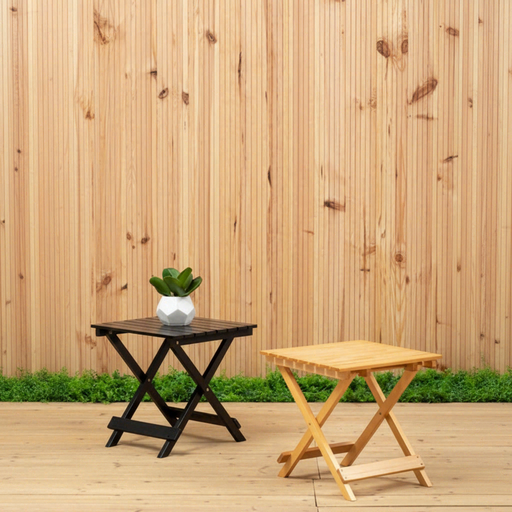
- Why we recommend this product: This model stands out for its extremely compact 46 x 46 cm dimensions and solid poplar wood construction. It arrives fully assembled and is easy to transport, weighing just 2.7 kg. The simple folding mechanism allows it to be stored flat.
- Advantages:
- Made from 100% Chinese poplar wood
- Very low weight and compact folded size (H7.5cm x W64cm x D46cm)
- No assembly required
- Suitable as a space-saving table for the smallest of nooks
- Who it's for: Individuals looking for an extremely compact and portable side table solution for a very small balcony, for camping, or as an extra surface indoors.
2. 5five Folding Bar Table - Black (60x60cm)
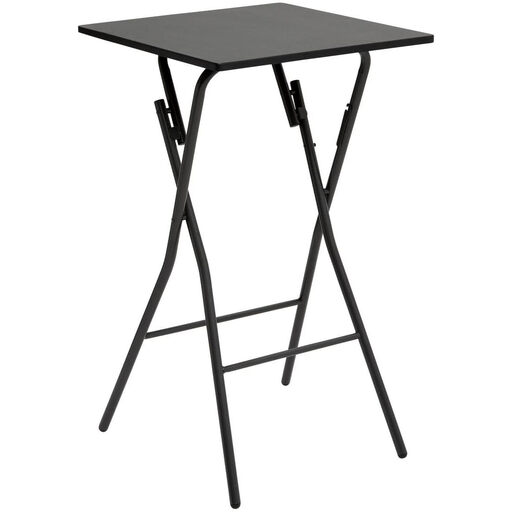
- Why we recommend this product: This folding bar table combines a functional height of 102.5 cm with a robust construction. The steel frame and MDF tabletop offer a maximum load capacity of 50 kg, according to the manufacturer. Its design is intended for indoor use.
- Advantages:
- Comfortable standing height for events or as a kitchen counter extension
- High load capacity of up to 50 kg
- Sturdy steel frame
- Quick to set up and take down without tools
- Who it's for: Users who need a stable, high folding table for parties, receptions, or as a temporary standing workstation indoors.
3. Progarden Folding Metal Garden Table, Anthracite (60x60cm)
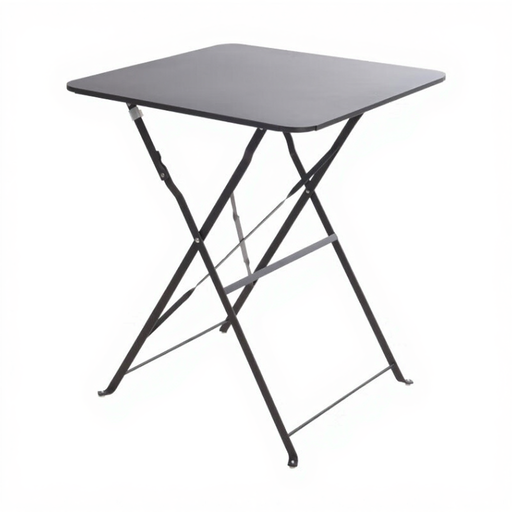
- Why we recommend this product: This model is explicitly designed for both indoor and outdoor use. Its metal construction with an anthracite grey finish offers protection from the elements. With dimensions of 60 x 60 cm and a height of 71 cm, it serves as a compact dining or side table.
- Advantages:
- Suitable for indoor and outdoor use
- Durable metal material
- Easy to clean with a damp cloth
- Classic design in a modern colourway
- Who it's for: Users looking for a versatile and weather-resistant folding balcony table or garden table that is lightweight and easy to store.
Other Options and Alternatives
If a folding mechanism isn't the primary decision criterion and a fixed, compact shape is preferred, a square table can be a suitable alternative. These models offer a consistently stable surface and are available in many sizes and materials to suit different interior design styles.
Frequently Asked Questions (FAQ)
1. How much weight can a folding table hold? The load capacity varies greatly depending on the model and construction. Small side tables made of plastic or lightweight wood often hold only 10-15 kg. Sturdy models with a steel frame, such as a folding bar table, can be rated for up to 50 kg or more, according to manufacturer specifications. It is essential to check the manufacturer's specific details to avoid overloading and potential damage.
2. What material is suitable for an outdoor folding table? For outdoor use, weather-resistant materials are essential. A metal folding table (especially powder-coated steel or aluminium) is an excellent choice as it is robust and rust-resistant. Specially treated solid wood (e.g., teak, acacia, or varnished woods) can also be used but requires regular maintenance. High-quality plastics are also weatherproof, lightweight, and low-maintenance.
3. How do I care for a wooden folding table? Care depends on the surface treatment. Generally, a wooden folding table should be cleaned with a soft, slightly damp cloth. Avoid using aggressive or abrasive cleaning agents. To ensure its longevity, the table should be stored in a dry, protected place when not in use, especially over the winter. Depending on the type of wood and its exposure to the elements, annual re-oiling or re-staining may be beneficial.

