
Lieferung heute & morgen

Qualitätsgarantie

Willkommens-Angebote freischalten: KOSTENLOSE Lieferung | Bis zu 80 % RABATT | Kostenlose 30-Tage-JoyPlus-Testphase
App herunterladen
Folding UV400 sunglasses need to do several things at once: reduce sunlight, fit neatly into a bag and feel comfortable for everyday wear. But many product listings focus mainly on fashionable-sounding claims. What really matters is clear information about UV protection, lens material, folding mechanism and fit.
The term UV400 describes protection against wavelengths of up to 400 nanometres. It doesn’t automatically tell you anything about tint colour, optical quality or glare reduction. Check that the seller clearly lists UV400 protection in the technical product details.
A dark tint alone doesn’t provide UV protection. Lighter or fashion-tinted lenses can also be UV400-rated, provided the manufacturer states this clearly.
Lightweight sunglasses are more comfortable to wear, especially when travelling or spending long periods outdoors. But the word ‘lightweight’ is of little use without details of the weight and frame material. TR90 is a flexible plastic used for the frames of the models featured here. It’s also worth checking the hinges, nose pads and arm length.
Not every pair of folding sunglasses is compact enough for a small bag or travel case. Check how the sunglasses fold and how thick they are when folded. The mechanism should also be designed for the intended opening and closing action. Forcing it, twisting the arms or storing the sunglasses loose can put unnecessary strain on the frame and lenses.
When choosing sunglasses with UV protection, it’s important to distinguish between at least two features:
The Beneunder models are listed as having an OAR anti-reflective coating. According to the manufacturer’s product details, it reduces reflections on the respective models. This may be useful during outdoor activities or when wearing sunglasses for driving. Even so, make sure you have clear vision, an appropriate tint and comply with the relevant legal requirements when driving. Sunglasses are not suitable for night driving.
Sunglasses with nylon lenses can combine low weight with good shape retention. Their actual performance depends on their construction, coating and finish. Before buying, check whether the product details also mention scratch resistance, an oleophobic coating or care instructions.
The lenses on the products featured here are described as being made from nylon. The FD01h model also lists an oleophobic and scratch-resistant coating. The FD315 and FD421 models are listed as having UV400 protection and an anti-reflective coating.
One size won’t necessarily suit every face shape. Key measurements include:
The FD315 cat-eye models are listed with a frame width of 5.8 inches, a bridge width of 0.83 inches and an arm length of 5.6 inches. The FD421 model is listed as having a frame width of 5.71 inches and weighing 26 grams. You should also compare the measurements with a pair of sunglasses you already own to check the likely fit.
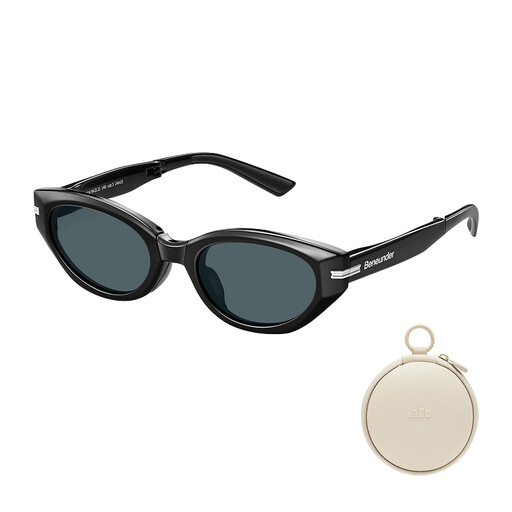
Why this product suits this profile: These black cat-eye sunglasses combine a compact folding design with a versatile frame that works for everyday wear, getting around town and travelling.
The product description clearly lists UV400 protection, nylon lenses, a TR90 frame and an OAR anti-reflective coating.
Five-point elastic hinges, air-cushion nose pads and stated UV400 protection.
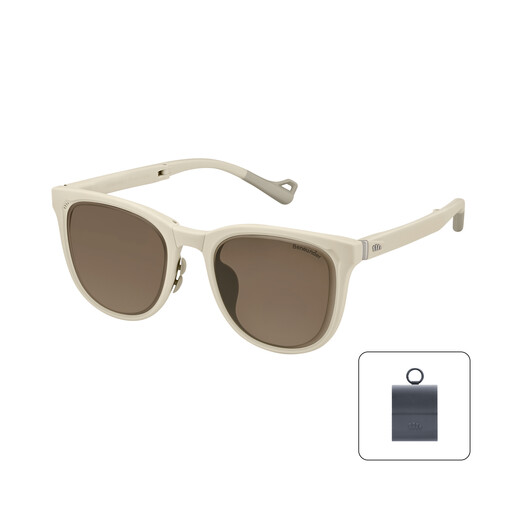
Why this product suits this profile: The Boston-style silhouette is a good choice if you want space-saving storage, several specified lens coatings and an adjustable fit.
The product details list UV400, OAR anti-reflective, oleophobic and scratch-resistant coatings, rather than relying on vague claims about quality.
Three arm positions, two-axis nose pads, a TR90 frame and a stated weight of 0.97 oz.
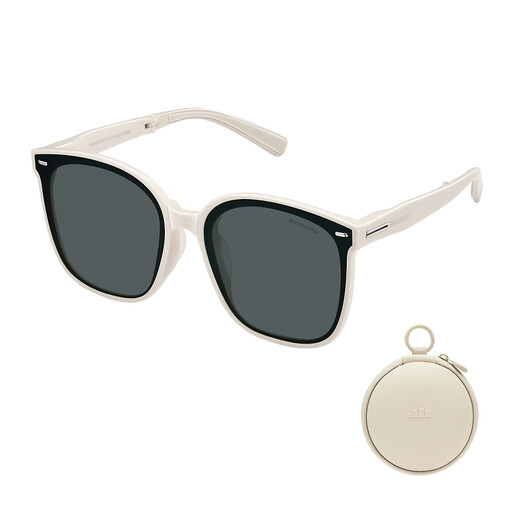
Why this product suits this profile: These oversized sunglasses are designed for frequent wear, combining larger lenses with low weight and a highly compact folded design for when you’re out and about.
The product details give more than just the fact that they fold: they specify a weight of 26 grams, a folded thickness of 35 millimetres and the lens coatings.
Tri-fold design, nylon lenses, UV400 protection and reduced reflections thanks to the OAR coating, according to the product details.
To help your sunglasses last longer, clean the lenses with a soft microfibre cloth. Don’t rub dust or sand across the surface when it’s dry. Use the intended mechanism when folding the sunglasses. A case will protect them from knocks and scratches in your handbag, rucksack or luggage.
UV400 means that, according to the seller, the lenses filter UV radiation up to a wavelength of 400 nanometres. This should be stated in the technical product details. It doesn’t automatically tell you anything about tint strength, polarisation or scratch resistance.
That depends on the tint, field of vision, fit and the relevant legal requirements. Sunglasses for driving should reduce reflections without unnecessarily impairing your vision. Check the product details for information about the lens tint before wearing them; tinted sunglasses should not be worn at night.
There’s no single answer. Their lifespan depends on factors such as the hinges, materials, care and how they’re transported. Folding them carefully, storing them in a suitable case and cleaning them with a microfibre cloth can help keep the frame and lenses in good condition.