
Lieferung heute & morgen

Qualitätsgarantie

Willkommens-Angebote freischalten: KOSTENLOSE Lieferung | Bis zu 80 % RABATT | Kostenlose 30-Tage-JoyPlus-Testphase
App herunterladen
Choosing the right follow-on formula can be a challenge for parents. The market is vast, packaging is filled with technical terms, and recommendations seem to be constantly changing. Many feel uncertain about which formula is right for their child after breastfeeding or using an infant formula. This guide is designed to provide clarity and help you make an informed decision without falling into common traps.
As a Joybuy Product Recommendation Officer, I analyse market information to provide you with objective and practical advice. Here are the most common pitfalls and what you should look out for.
Common Pitfalls When Buying Follow-On Formula:
To find the right formula, you should focus on objective criteria. The following three points are crucial for your child's health and development.
The number on the packaging is your most important guide. It signals which developmental phase the formula is designed for.
The ingredients list reveals the quality of a formula. Look for the following components, which are either legally required for follow-on formula or recognised as beneficial additions:
Correct and hygienic preparation is just as important as the choice of product. Fresh, boiled water and precise dosage according to the package instructions are essential. Accessories like a high-quality MiaMia Baby Bottle with an anti-colic system and a reliable steriliser like the Momcozy Bottle Washer & Steriliser can make daily life significantly easier.
Here are some recommendations tailored to the different requirements of parents.
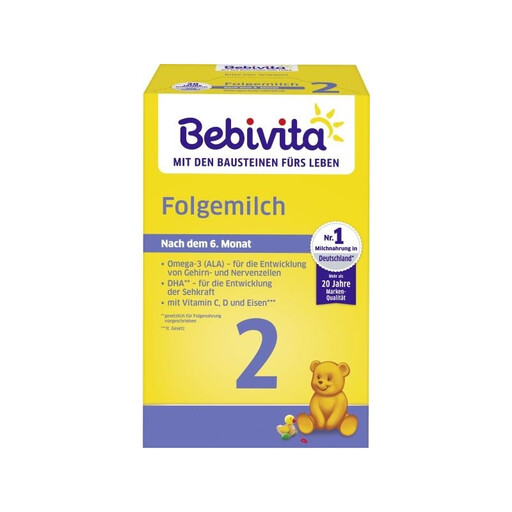
Why it's a good fit: For parents seeking a reliable and affordable formula that meets all legal requirements for baby food from 6 months, without the extra cost of special additives.
The clear labelling as "Follow-on Milk 2" for the weaning age prevents confusion with infant formula or toddler milk, ensuring correct nutrient supply.
Provides a solid nutritional foundation with iron for cognitive development and vitamin C to support the immune system, offering excellent value for money.
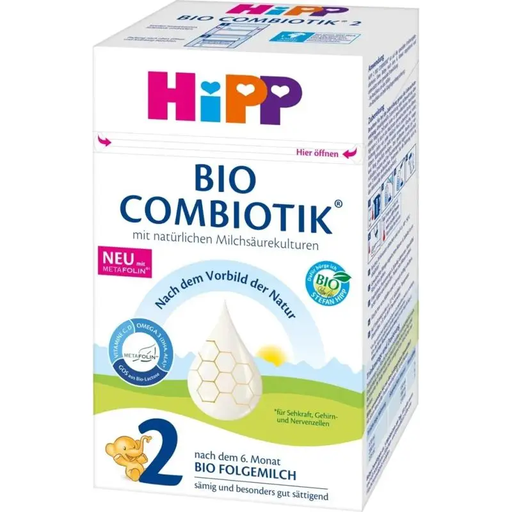
Why it's a good fit: Ideal for parents who value certified organic quality and are looking for a formula that, in addition to legal requirements, also contains natural lactic acid cultures and dietary fibres (GOS).
The product doesn't just rely on the "organic" label; it provides a transparent composition with specific ingredients like Metafolin and L.fermentum lactic acid cultures, going beyond generic marketing claims.
Combines strictly controlled organic ingredients with an advanced formula containing Omega-3 (DHA & ALA) and vitamins C and D to support the immune system.
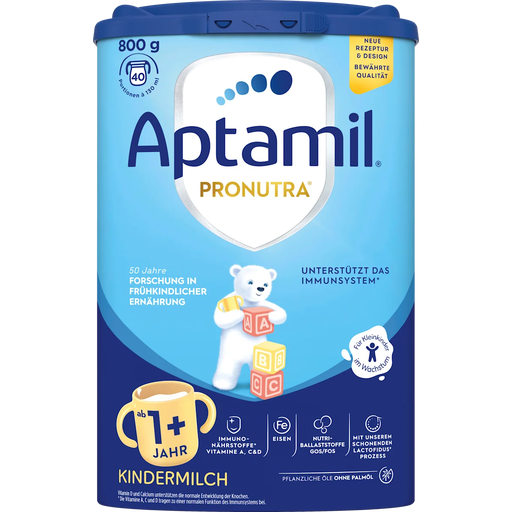
Why it's a good fit: Specially developed for the nutritional needs of toddlers who are already eating at the family table but still require targeted nutritional supplementation, particularly with vitamin D and iron.
This product is clearly declared as a toddler milk for ages 1 and up, preventing parents from accidentally continuing to use a follow-on formula for infants, whose composition is no longer optimal for a toddler.
Contains an age-appropriately adjusted protein content and essential nutrients like vitamins A, C & D to support the immune system. The formula is palm oil-free.
We have compiled a complete, up-to-date list of products that fully meet these strict selection criteria and German regulations.
Follow-on milk 2 is recommended from the 6th month until the end of the first year. Follow-on milk 3 can serve as a transition from the 10th or 12th month. From their first birthday, you can switch to a special toddler milk or (in moderation) to whole cow's milk. The decision should always be made in consultation with your paediatrician or midwife.
Constantly switching between brands is generally not recommended, as a baby's digestive system gets used to one formula. However, a switch is possible if done gradually (e.g., bottle by bottle over several days). If your child tolerates a brand well, there is usually no reason to change.
Hygiene is paramount. Wash your hands and sterilise bottles, teats, and rings before use. Always use freshly boiled water that has cooled to the recommended temperature (usually 40–50°C). Adhere strictly to the powder-to-water ratio indicated on the packaging to ensure the correct nutrient concentration. Leftovers should not be reused.