
Lieferung heute & morgen

Qualitätsgarantie

Willkommens-Angebote freischalten: KOSTENLOSE Lieferung | Bis zu 80 % RABATT | Kostenlose 30-Tage-JoyPlus-Testphase
App herunterladen
Choosing the right baby formula can be a challenge for parents. Especially when your baby reaches six months of age, you face the decision of switching to a follow-on milk from 6 months. The shelves are filled with products whose packaging boasts numerous promises. However, not all information is equally relevant to your purchasing decision. This guide will help you separate marketing hype from essential facts and make an informed choice.
A common pitfall is the "stage jungle." The labels Pre, 1, 2, 3, or Growing-up milk are not always self-explanatory and can easily lead to confusion. Another point is the emphasis on certain "special ingredients." Often, these are components that are already legally required for all infant formulas, or their additional benefit is not always clearly proven. This makes it difficult to objectively assess the true value of a product.
To find a suitable follow-on formula after the 6th month, it is helpful to focus on a few, but crucial, criteria. These parameters provide you with an objective basis for comparing different products.
The numbering on the packaging is a key guidepost. For infants after the completed sixth month of life, Stage 2 follow-on milk is designed.
Choosing the correct stage ensures that your baby receives an age-appropriate supply of nutrients.
The ingredients list provides important clues. Instead of being guided by marketing claims, you should pay attention to the following components:
The choice of the right baby milk from 6 months depends on your child's individual needs and your personal priorities. Here are some options tailored to different requirement profiles.
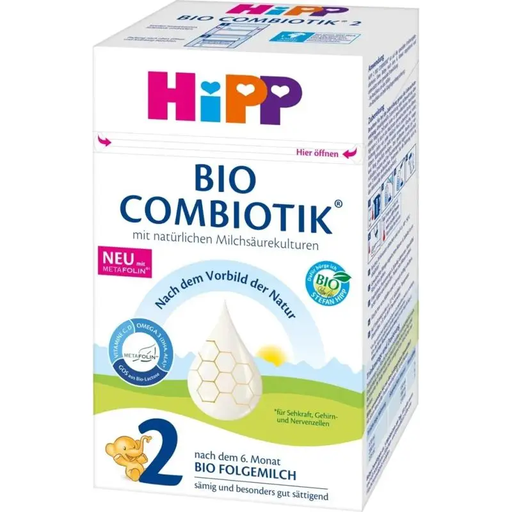
Why This Fits Their Persona: This product is aimed at parents for whom certified organic quality and a formula with specific components inspired by nature are a priority.
The formula goes beyond the minimum legal requirements by including natural lactic acid cultures (L. fermentum) originally derived from breast milk. The organic seal provides clear guidance for quality-conscious buyers.
Combines DE-?KO-001 organic certification with the addition of GOS fibres and Metafolin, a folate source modelled on nature.
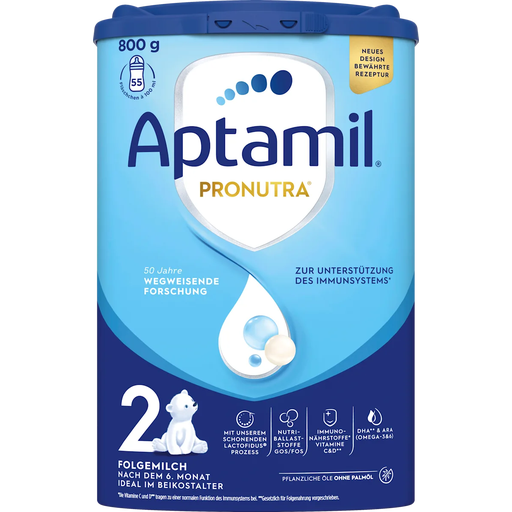
Why This Fits Their Persona: Ideal for parents seeking a palm oil-free formula who value a specific combination of nutrients and fibres based on extensive research.
The product description transparently declares the use of a vegetable oil blend without palm oil. This allows for a conscious decision and bypasses ambiguity about the exact fat composition.
Contains a patented GOS/FOS fibre blend and the legally required vitamins C & D to support the normal function of the immune system.
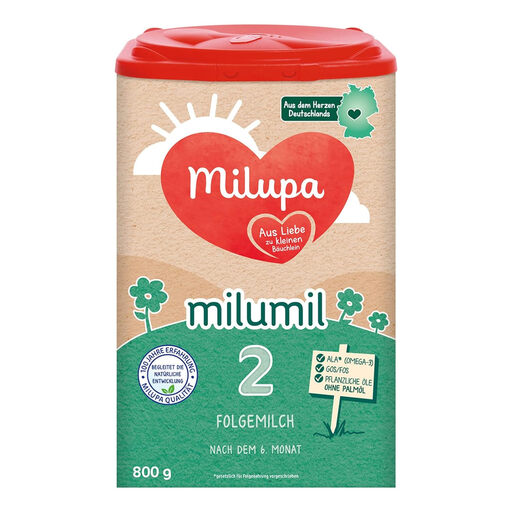
Why This Fits Their Persona: This product is a great option for parents looking for a reliable follow-on milk from an established brand that meets all legal requirements and often offers great value.
Milumil focuses on providing solid, essential nutrition without costly extra features. The formula is also palm oil-free, which is clearly communicated and allows budget-conscious parents to make an informed choice.
Offers a palm oil-free formula with GOS/FOS fibres and all the essential nutrients relevant for growth and development at this age.
We have compiled a complete, up-to-date list of products that fully meet these strict selection criteria and German regulations.
Switching to Stage 2 follow-on milk is advisable after the 6th month is complete, when you start introducing solid foods. It serves as a supplement to solid meals and not as the sole source of nutrition. It is recommended to discuss the timing of the switch with your paediatrician or midwife.
Whether a follow-on milk with or without starch is the better choice depends on your baby's individual needs. Starch is added to make the formula creamier and can contribute to a longer-lasting feeling of fullness. Formulas that contain only lactose as the carbohydrate are closer in this respect to the composition of breast milk. Observe your child's drinking behaviour and satisfaction to find the right option.
In summary, the most important points are: