
Lieferung heute & morgen

Qualitätsgarantie

Willkommens-Angebote freischalten: KOSTENLOSE Lieferung | Bis zu 80 % RABATT | Kostenlose 30-Tage-JoyPlus-Testphase
App herunterladen
Choosing the right follow-on milk can be a challenge for parents. After breastfeeding or using first infant formula, the question arises as to which product best supports your child's nutritional needs at their specific stage of development. The market is filled with different stages, brands, and advertising claims, which makes the decision difficult.
This guide will help you understand the key criteria and avoid common pitfalls. We focus on objective facts so you can make an informed choice for your child.
Before we delve into the selection criteria, let's look at two common hurdles that often lead to uncertainty:
To find the right milk formula, you should check two core parameters. These will help you compare products objectively and tailor them to your child's needs.
The correct stage is crucial, as a child's nutritional needs change as they grow. The composition, particularly the protein, vitamin, and mineral content, is adapted to these phases.
The ingredients list provides insight into the quality and suitability of a milk formula.
Instead of making a single general recommendation, we have compiled products for different requirement profiles.
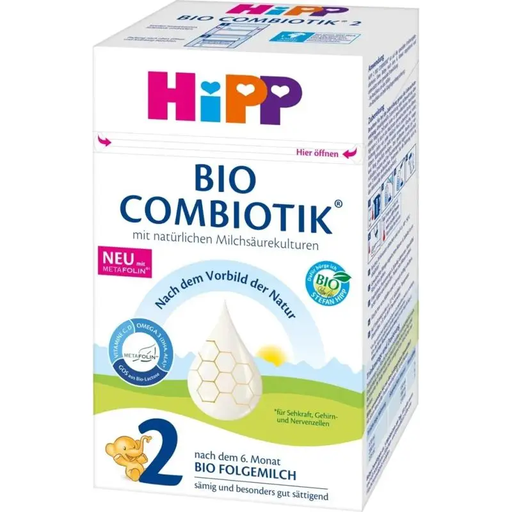
Why this product is a good fit: For parents looking for a trusted organic follow-on milk after first infant formula. The recipe is specially designed for the phase from 6 months onwards, when complementary foods are introduced.
The clear "2" and "From 6 months" labelling prevents confusion. The formula combines legally required nutrients with additional components like natural lactic acid cultures.
A combination of organic ingredients and the Combiotik formula with GOS fibres and L.fermentum lactic acid cultures, originally derived from breast milk.
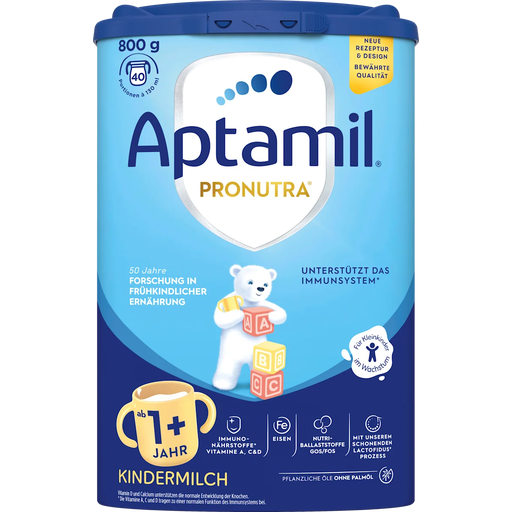
Why this product is a good fit: Developed for toddlers from their first birthday who are to receive a palm oil-free milk formula. The focus is on supporting the immune system.
The "Toddler Milk 1+" designation clearly distinguishes the product from infant formula. It is transparently communicated that this is a recipe with vegetable oils and no palm oil.
Contains vitamins A, C, and D, which can contribute to the normal function of the immune system, as well as a GOS/FOS fibre blend.
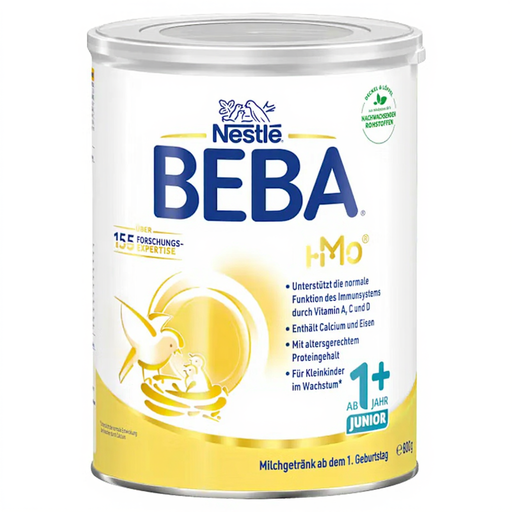
Why this product is a good fit: For parents interested in formulas inspired by breast milk research. This toddler milk is designed for children from 12 months of age.
The product highlights specific ingredients that go beyond the minimum legal requirements and explains their purpose, rather than just advertising with generic terms.
According to the manufacturer, it contains the Human Milk Oligosaccharide (HMO) 2'-FL, a nutrient also found in breast milk. The formula is also palm oil-free.
We have compiled a complete, up-to-date list of products that fully meet these strict selection criteria and all applicable safety regulations.
Stage 2 follow-on milk is designed for infants from 6 months as part of a mixed diet. Stage 3 follow-on milk, usually recommended from the 10th or 12th month, often has a slightly higher content of certain nutrients like iron and an adjusted satiety value to meet the energy needs of more active, older babies. The exact composition varies by manufacturer.
Yes, most follow-on and toddler milk powders can be prepared either warm (approx. 37°C) or cold. The powder often dissolves more easily in warm water. Always follow the preparation instructions on the product's packaging. However, never heat the milk in a microwave due to the risk of uneven heating and scalding.
After opening, the inner bag or tin should be kept well-sealed, dry, and stored at room temperature. Most manufacturers recommend using the contents of an opened pack within three to four weeks. You can find the exact use-by period after opening on the product packaging.