
Lieferung heute & morgen

Qualitätsgarantie

Willkommens-Angebote freischalten: KOSTENLOSE Lieferung | Bis zu 80 % RABATT | Kostenlose 30-Tage-JoyPlus-Testphase
App herunterladen
When it's time to introduce solid foods, many parents face a new question: Which follow-on milk is the right supplement? The selection is vast, and packaging often advertises numerous ingredients. This variety can quickly become overwhelming and lead to uncertainty. It's common to reach for products that stand out due to marketing promises but aren't necessarily the best choice for a child's individual needs.
As your Joybuy Product Recommendation Officer, I'm here to help you understand the key criteria and avoid common pitfalls. We'll focus on the facts so you can make an informed decision about your child's nutrition.
Common Pitfalls When Buying Follow-On Milk:
To find the right infant formula, you should focus on objective criteria rather than advertising messages.
The age recommendation is the most important criterion. The composition, especially the protein and energy content, is tailored to each specific developmental phase.
All follow-on milks sold in the EU must meet strict legal requirements. Nevertheless, there are differences in their formulas.
Even the safest infant formula can pose health risks if prepared incorrectly. Follow the manufacturer's instructions exactly. Hygienic preparation is essential. This includes not only boiling the water but also thoroughly cleaning bottles and teats. A good baby bottle cleaner and a suitable brush are therefore indispensable tools.
Here are some product recommendations tailored to the different requirements of parents.
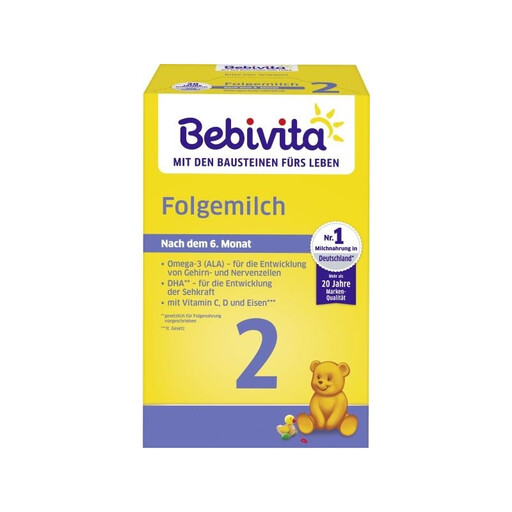
Why this product is a great fit: Bebivita is known for its excellent value for money. This Stage 2 follow-on milk provides all the legally required nutrients a baby needs from 6 months as part of a weaning diet, without putting a major strain on your budget.
The product focuses on providing foundational nutrition and forgoes expensive, heavily marketed additives whose added value is not always clear.
Contains iron for cognitive development and vitamin C to support the immune system. It is produced according to strict German quality standards.
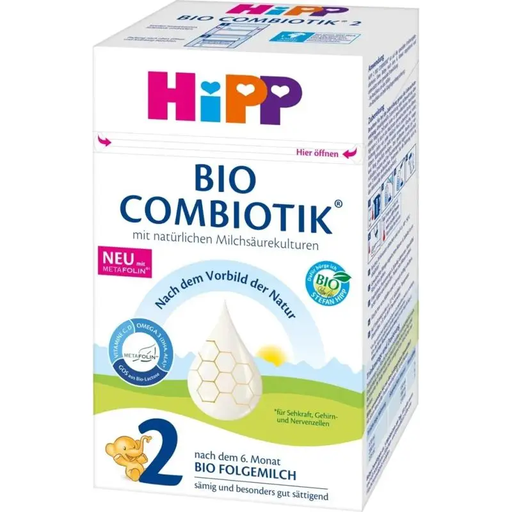
Why this product is a great fit: For parents who value organic quality and a formula inspired by nature. The HiPP Bio Combiotik line is an established choice in this segment.
Instead of relying solely on the organic seal, this formula combines organic ingredients with specific components like natural lactic acid cultures (L. fermentum) and GOS fibres.
Contains Metafolin, a folate source inspired by nature. The combination of organic quality and scientifically-backed additives makes it a well-considered choice.
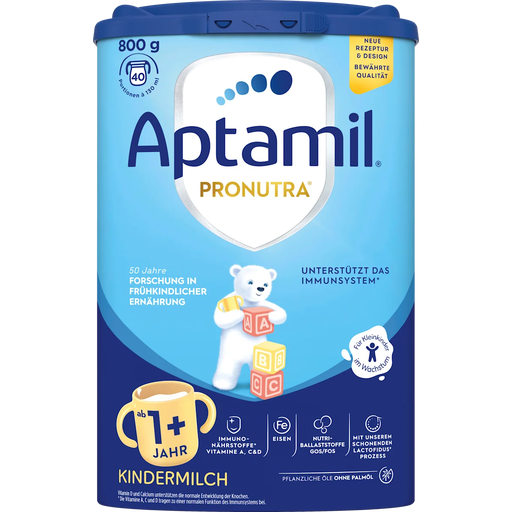
Why this product is a great fit: This toddler milk from 1 year is specially tailored to the nutritional needs of toddlers who are already actively eating at the family table and becoming more mobile.
The product clears up confusion about age stages by being clearly positioned as a milk drink for toddlers from 12 months, offering an alternative to regular cow's milk.
It contains an age-appropriately adjusted protein content as well as vitamins A, C, and D to support the immune system. The formula is palm oil-free and uses vegetable oils.

Why this product is a great fit: This set is a practical solution for the hygienic preparation of baby milk powder on the go or at home. It combines all the necessary tools in one compact case.
It addresses the often overlooked but critical aspect of hygiene. A clean bottle is the foundation of every safe bottle feed, more important than any single ingredient in the milk.
The set includes a silicone bottle brush, a teat brush, a soap dispenser, and a foldable drying rack. Ideal for travel or small kitchens.
We have compiled a complete, up-to-date list of products that fully meet these strict selection criteria and German safety regulations.
A switch from Follow-on Milk 2 to Follow-on Milk 3 (usually from 10 months) is not strictly necessary. If your child is doing well with Stage 2 and is getting enough satiety from solid foods, you can continue to use it until the end of their first year. Stage 3 is often a bit higher in starch and can be an option if your child seems to need a more filling milk.
Not necessarily. Palm oil is an efficient source of palmitic acid, a fatty acid that is also abundant in breast milk. Today, manufacturers who use palm oil typically rely on certified, sustainable sources. Formulas without palm oil use alternative vegetable oil blends (e.g., from sunflower and rapeseed) to achieve a similar fatty acid profile. The decision is often a matter of personal preference or your child's individual tolerance.
Prepared follow-on milk should always be made fresh right before each feed and given to your baby immediately. Leftovers must not be reused, as bacteria can multiply quickly in them. Also, do not heat the formula in a microwave, as this can cause uneven heating and create hot spots, posing a scalding risk.