
Lieferung heute & morgen

Qualitätsgarantie

Willkommens-Angebote freischalten: KOSTENLOSE Lieferung | Bis zu 80 % RABATT | Kostenlose 30-Tage-JoyPlus-Testphase
App herunterladen
As a Joybuy Product Recommendation Officer, I see every day how many options parents have when choosing follow-on milk and toddler milk. The sheer variety of brands, stages, and ingredients can quickly become overwhelming. The goal of this guide is to provide clarity and help you make an informed decision based on your child's needs, not on marketing hype.
The market for infant formula is full of promises. Before you make a decision, you should be aware of two common issues that often lead to confusion or unnecessary expense.
The Numbers Game: Is "3" Better Than "2"? The numbers on the packaging (e.g., Follow-on Milk 2, Follow-on Milk 3, Toddler Milk 1+) do not represent a quality level, but rather the age group for which the product is designed. A higher number doesn't mean "better," but "formulated differently" to meet the changing nutritional needs of a growing child. A follow-on milk from 6 months (Stage 2) has a different composition than a toddler milk from 1 year. Buying the wrong stage can disrupt your child's nutrient intake.
Advertising Legally Required Ingredients Many packages prominently advertise "contains DHA" (an omega-3 fatty acid). What is often not clearly communicated is that since 2020, the addition of DHA to infant and follow-on formula has been legally required in the EU. It is therefore a standard that all products must meet, not a unique feature of a specific brand.
To find the right formula, focus on objective criteria. Here are the three most important parameters to check before you buy.
The correct age stage is the deciding factor. The composition is specifically tailored to each developmental phase.
Instead of being guided by advertising claims, it's worth taking a close look at the ingredients list and the nutritional table.
Here are some recommendations tailored to the different requirements of parents.
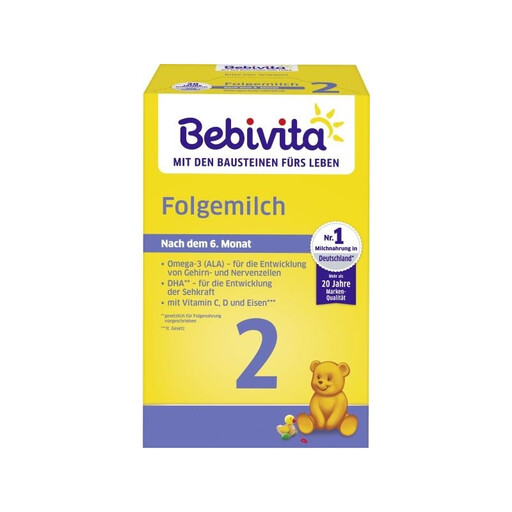
Why This Fits Their Persona: This follow-on milk offers a solid and reliable nutritional foundation in line with legal requirements at a very accessible price point. It's a pragmatic choice for parents looking for excellent basic nutrition without costly extras.
The product focuses on the essential, legally required nutrients and forgoes elaborate marketing for ingredients that are standard anyway. The focus is on function, not hype.
Contains iron to support cognitive development and omega-3 fatty acids (ALA). The composition is age-appropriately satisfying.
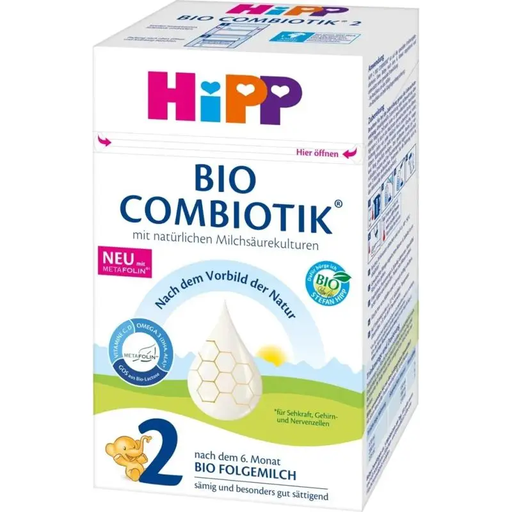
Why This Fits Their Persona: For parents who value organic farming and a formula with additional components. The Hipp Combiotik brand is known for its combination of organic ingredients and specific components.
This product goes beyond the minimum legal requirements by combining certified organic ingredients with a specific blend of dietary fibres (GOS) and natural lactic acid cultures (L. fermentum).
Contains Metafolin, a folate source inspired by nature, and omega-3 fatty acids (DHA and ALA). The organic starch ensures age-appropriate satiety.
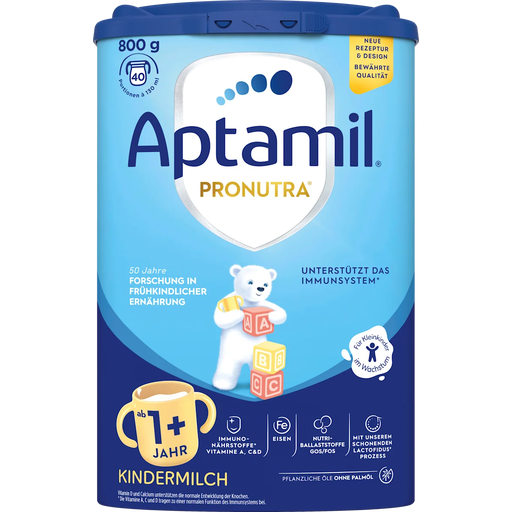
Why This Fits Their Persona: Ideal for parents of toddlers from one year of age who are looking for an alternative or supplement to cow's milk. The formula is specially tailored to the nutritional needs of this growth phase and takes current nutritional recommendations into account.
This product clarifies the confusion surrounding the purpose of toddler milk: it is a targeted supplement with an age-appropriately reduced protein content and fortification with vitamins (A, C, D) and iron, which distinguishes it from regular cow's milk.
The formula is palm oil-free and contains a blend of dietary fibres (GOS/FOS). Vitamins A, C, and D can contribute to supporting the normal function of the immune system.
We have compiled a complete, up-to-date list of products that fully meet these strict selection criteria and German safety regulations.
1. Can you switch between different brands of follow-on milk? Switching between brands is generally possible, as all products sold in Germany are subject to strict legal requirements. However, it is often recommended to stick with one brand once you have found one that your child tolerates well. Each manufacturer has a slightly different formula, and constant switching could unnecessarily upset your baby's digestion. If you are unsure, it is advisable to consult your paediatrician or midwife.
2. How long should a child drink follow-on or toddler milk? Follow-on milk is designed for the age of 6 to 12 months as part of a complementary feeding diet. From the first birthday, you can switch to toddler milk or cow's milk. Toddler milk is not essential, but it can be a sensible supplement as it often contains more iron, vitamin D, and iodine, and has a reduced protein content compared to cow's milk. Nutrition experts recommend a daily intake of about 300-330 ml of milk and dairy products for toddlers.
3. What do I need to pay attention to when preparing follow-on milk? Proper preparation is crucial for your baby's safety and health. Always follow the instructions on the packaging exactly.