
Lieferung heute & morgen

Qualitätsgarantie

Willkommens-Angebote freischalten: KOSTENLOSE Lieferung | Bis zu 80 % RABATT | Kostenlose 30-Tage-JoyPlus-Testphase
App herunterladen
Choosing the right follow-on milk can be a daunting task for parents. After the initial months of breast milk or first infant formula, the transition to solid foods and the next stage of formula brings up many questions. The market is flooded with products, brands, and marketing promises, making the decision even more complex.
As your Joybuy Product Recommendation Officer, I'm here to help you separate fact from marketing hype. In this guide, we'll highlight the most common pitfalls when buying formula and show you the objective criteria that truly matter, so you can make an informed decision for your child.
A lot of well-intentioned advice and marketing trends can create more confusion than clarity. Pay attention to these three points to avoid making the wrong choice.
To find the right formula, you should focus on objective and verifiable parameters. The following three points are of central importance.
The composition of infant formula is precisely tailored to a child's developmental stage.
The ingredients list provides insight into the quality and composition of the formula.
Reputable manufacturers like Aptamil, HiPP Bio, or Nestlé BEBA prioritise transparency regarding their ingredients and production processes. Information about the origin of raw materials and adherence to quality standards are good indicators of a trustworthy product.
Here are some product recommendations tailored to the different profiles of parents and children.
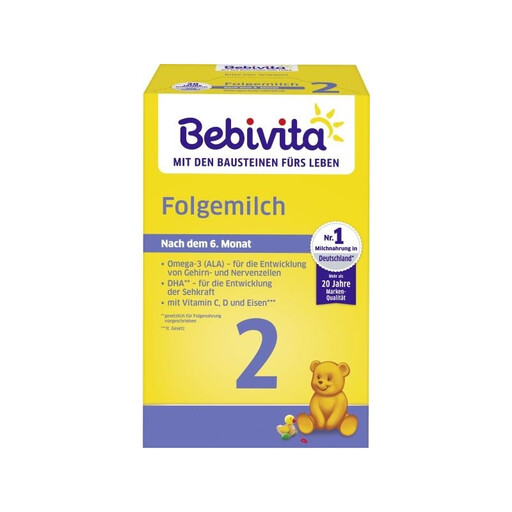
Why this product is a good fit: For parents looking for a reliable and affordable follow-on milk from 6 months. Bebivita meets all strict legal requirements in Germany and provides a solid nutritional foundation for the weaning period.
This product shows that a safe and nutritionally complete infant formula doesn't have to be expensive. It debunks the assumption that only premium brands deliver good quality.
Contains iron for cognitive development and vitamin C to support the immune system. Rigorously tested for contaminants according to German standards.
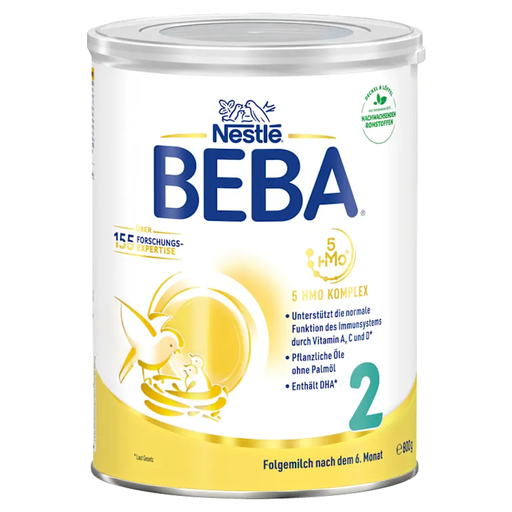
Why this product is a good fit: Ideal for parents specifically looking for a palm oil-free baby milk and who value modern formula components like Human Milk Oligosaccharides (HMO).
This product directly addresses the demand for a palm oil-free formula and offers a transparent alternative without neglecting the importance of the overall fat composition.
Combines a palm oil-free recipe with vegetable oils (sunflower, rapeseed) and contains the 2'-FL HMO component. Contains DHA from algal oil.
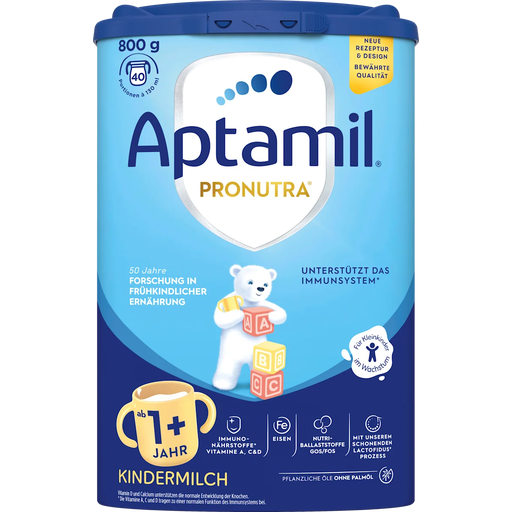
Why this product is a good fit: Specially developed for the nutritional needs of toddlers from one year of age. It serves as a complement to family meals and provides key nutrients in an age-appropriate concentration.
This product clears up the confusion around age stages by offering a clear solution for the phase after follow-on milk and facilitating the transition to a toddler's diet.
Contains an age-appropriately adjusted protein content as well as vitamins A, C, and D to support the normal function of the immune system. Palm oil-free recipe.
We have compiled a complete, up-to-date list of products that fully meet these strict selection criteria and German safety regulations.
1. How long should you give follow-on milk? Follow-on milk 2 is suitable for infants from 6 months to the end of their first year. From 12 months, you can switch to a toddler milk (Stage 1+) or regular whole milk (in moderation, approx. 300 ml per day including other dairy products). The decision should be based on your child's individual needs and the recommendations of your paediatrician.
2. Can you mix or alternate different brands of follow-on milk? It is generally recommended to stick with one brand that your baby tolerates well. Constant switching can put unnecessary strain on your baby's digestive system. If you do want to switch brands, it's best to do so gradually by introducing the new milk one bottle at a time. Mixing powders from different brands in the same bottle is not advisable.
3. How do I know if my baby isn't tolerating the follow-on milk? Signs of an intolerance can be varied and include persistent digestive issues (like gas, constipation, diarrhoea), skin rashes, excessive spitting up, or general fussiness after feeding. If you notice such symptoms, you should consult your paediatrician or midwife immediately to determine the cause.