
Lieferung heute & morgen

Qualitätsgarantie

Willkommens-Angebote freischalten: KOSTENLOSE Lieferung | Bis zu 80 % RABATT | Kostenlose 30-Tage-JoyPlus-Testphase
App herunterladen
The promise of a food chopper is appealing: effortlessly process vegetables, onions, herbs, or even meat in seconds. In reality, however, many purchases end in frustration when the device becomes dull after a short time, cleaning is a hassle, or the motor fails with tougher ingredients. As a Joybuy Product Recommendation Officer, I'll help you separate the wheat from the chaff and find a model that truly makes your kitchen work easier.
This guide focuses on the objective features that define a durable and practical appliance, highlighting the most common pitfalls to avoid.
Many devices look impressive at first glance but reveal their weaknesses only through daily use. Pay close attention to these three points to avoid a bad purchase:
To avoid these problems, you should check a few technical parameters before buying. These largely determine the functionality and longevity of your kitchen assistant.
The quality of the blades is the heart of any chopper, whether it's a manual vegetable slicer or an electric model.
For an electric multi-chopper, power and size are crucial for its range of applications.
A good appliance is not only powerful but also safe and easy to use. For manual devices like an onion chopper or a mandoline, a finger guard is essential. With electric models, a non-slip base and a safety lock that only allows operation when the lid is correctly in place provide the necessary safety in the kitchen.
Here are some recommendations tailored to different needs and use cases, taking the above criteria into account.
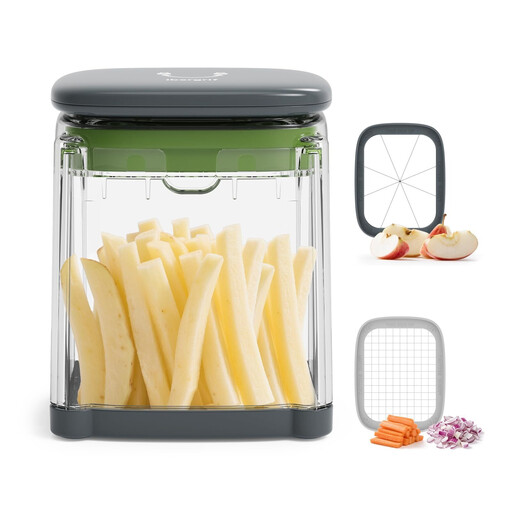
Why this model fits: Ideal for those seeking a simple, manual solution for specific cutting tasks like French fries or vegetable sticks, without investing in an expensive electric appliance.
The blades are made of 420J2N stainless steel, ensuring long-lasting sharpness. The design keeps hands safely away from the blades, and the collection container ensures a clean workspace.
Three interchangeable blades for different types of cuts; BPA-free material and dishwasher-safe parts for easy cleaning.
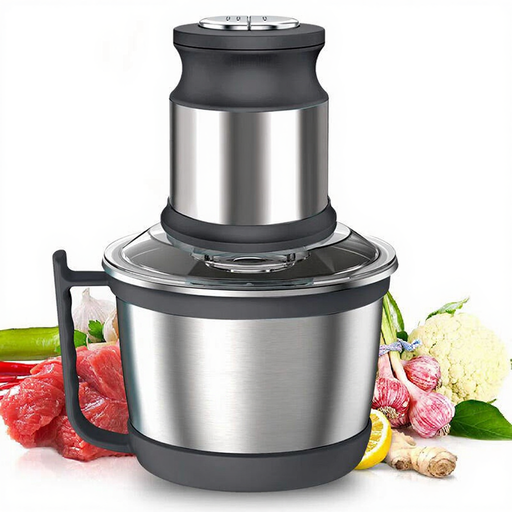
Why this model fits: Perfect for families who regularly process larger quantities. The powerful motor and large bowl effortlessly handle meals for several people.
With an 800-watt motor and a 3-litre stainless steel bowl, it directly solves the common problems of insufficient power and capacity. The device can grind meat and process large quantities of vegetables.
High power for versatile use (vegetables, meat); large, sturdy stainless steel bowl; CE certified for European safety standards.

Why this model fits: For chefs who value material quality, flexibility, and precise results. The two separate bowls and blade sets prevent flavour transfer.
The use of glass bowls prevents staining and odour build-up. The removable parts are easy to clean and dishwasher-safe, counteracting the problem of cumbersome cleaning.
Two glass bowls (0.6L + 2L) with separate stainless steel blades; two speed settings for precise control; safety lock and non-slip base.
We have compiled a complete, up-to-date list of products that fully meet these strict selection criteria and European safety regulations.
The easiest way to clean is if the container, lid, and blades are dishwasher-safe. Check for this in the product description. If hand washing is necessary, disassemble the unit and clean the parts immediately after use with warm water and dish soap. Be especially careful with the blades. The motor unit should never be submerged in water; just wipe it with a damp cloth.
Yes, many electric choppers can also mince raw, boneless meat. A sufficiently powerful motor (500 watts or more is recommended) and robust stainless steel blades are crucial for this. Models explicitly advertised as a meat grinder alternative are generally well-suited for this task. Cut the meat into smaller cubes beforehand to reduce the load on the motor.
A chopper (or multi-chopper) is primarily specialised in chopping, puréeing, and mixing ingredients. It is usually more compact and designed for quick, simple tasks. A food processor is a multifunctional appliance with a wider range of attachments for kneading dough, whipping cream, grating, or slicing. For daily, quick chopping of vegetables or herbs, a dedicated chopper is often more practical and quicker to set up.