If you’re making hummus to freeze
If you’re planning to make several portions at once, check the bowl capacity and the appliance’s operating limits. The stated capacity alone doesn’t tell you how much hummus you can actually make in one batch.


Choose your food chopper based on how much hummus you want to make at a time. A small appliance may need several batches to make enough to freeze, while a larger bowl takes up more space. Don’t assume the stated capacity is the same as the amount of hummus you can make, and follow the instructions for your specific model when blending.
If you’re planning to make several portions at once, check the bowl capacity and the appliance’s operating limits. The stated capacity alone doesn’t tell you how much hummus you can actually make in one batch.
Check whether the manufacturer lists blending or making dips as a suitable use, and follow the instructions rather than relying on the wattage alone. The German Federal Centre for Nutrition describes hummus as a puréed mixture of cooked chickpeas and other ingredients.
A smaller appliance may be easier to store, but you might need to work in more batches to make enough to freeze. Remember to factor in the accessories and the time needed to clean removable parts.
A good fit if: you make small quantities and have limited worktop or storage space.
The trade-off: Making enough to freeze may mean several rounds of filling and cleaning.
A good fit if: you regularly prepare several portions and have space for a larger appliance.
The trade-off: Even a high stated capacity doesn’t tell you what quantity of ingredients you can process in one batch.
A good fit if: you’d like to use a stick blender and its accessories as well as a food chopper.
The trade-off: More attachments need extra storage space, and a small chopper bowl doesn’t guarantee a particular amount of hummus.
| What matters to you | What to look for | Who is it important to? |
|---|---|---|
| Batch size | Check the stated capacity and the permitted fill level in the instructions separately. | If I’m making enough to freeze, I want to keep the number of batches to a minimum. Around 36% of consumers put batch size first. |
| Texture | Look for evidence that the appliance is suitable for blending or making dips, and check how to use it in the instructions. | If a creamy texture matters to me, I want to be able to control the process rather than rely on the wattage alone. Texture is the priority for around 29% of consumers. |
| Cleaning | Check which removable parts are dishwasher-safe and how to remove the blade. | If you’re making several batches, you’ll want to keep the time spent cleaning individual parts to a minimum. Around 21% of consumers focus mainly on cleaning. |
| Space | Check the appliance dimensions and allow space for its accessories. | If storage space is limited, I’m happy to make smaller batches in return for a more compact appliance. Space is the main consideration for around 14% of consumers. |
The stated capacity doesn’t tell you how much of a thick mixture you can safely process. Overfilling the bowl can also make the process harder to manage.
Plan the quantity based on the instructions and your recipe. Compare bowl capacities as stated figures only.
Smaller permitted quantities may mean extra batches, transferring the mixture and cleaning the appliance again.
A power rating doesn’t tell you how well an appliance will process a particular mixture. A manufacturer’s recipe isn’t an independent comparison of the hummus texture produced by different models.
Look for manufacturer guidance that matches how you intend to use the appliance, and follow the instructions and operating limits for your specific model.
Being dishwasher-safe doesn’t mean a bowl is suitable for the freezer. The German consumer advice centre recommends checking that the container is labelled as freezer-safe.
Unless your appliance instructions say otherwise, portion the hummus into clearly labelled containers that are specifically suitable for freezing.
You may need separate containers for freezing.
The MZ 500 is a larger food chopper with a stated capacity of 1.5 litres, according to the manufacturer. Rommelsbacher also publishes hummus recipes for its MZ appliances.
The Easy Chop CHP61.100WH is a mini food chopper with a stated capacity of 500 ml. The manufacturer lists dips as a suitable use.
The KÜCHENminis food chopper has a stated capacity of 0.3 litres, according to the manufacturer, making it a smaller option to consider for preparing smaller batches.
The MMR08A1 is a multi-purpose food chopper with a pulse switch and one speed setting.
The MultiQuick 5 Pro MQ 55236 M set combines a stick blender with a separate 500-ml food chopper and other accessories.
These Joybuy options are food choppers with different bowl capacities and ways of working. Compare each model’s stated capacity and the manufacturer’s guidance with the amount of hummus you plan to make.
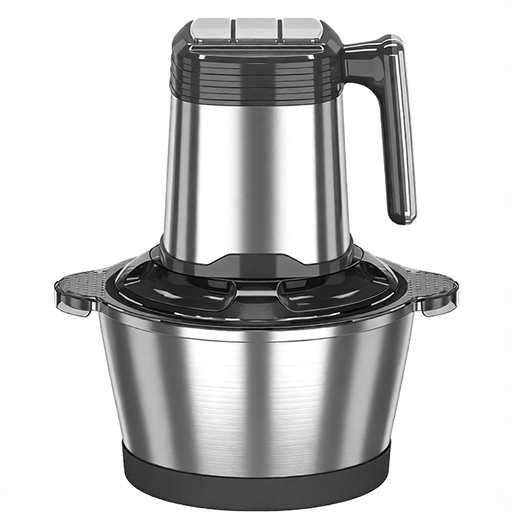 No image available
The 2-litre bowl may be worth considering if you’re planning to make larger batches; its stated capacity isn’t a guaranteed amount of hummus.
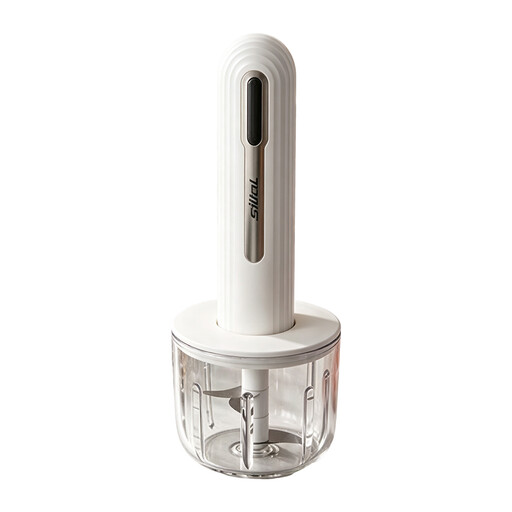 No image available
A compact option if cordless operation matters to you. The product name lists fruit, vegetables and meat as suitable uses, but doesn’t promise a particular result for hummus.
 No image available
The three bowl sizes listed in the product name give you a choice of stated capacities; they don’t determine the permitted amount for a hummus recipe.
Note the stated operating limit of up to 30 seconds of pulsing per cycle.
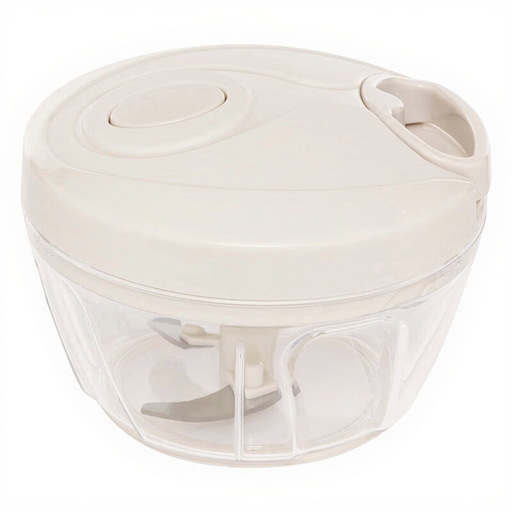 No image available
A mini food processor to consider if you want to chop herbs or nuts by hand.
 No image available
The 2-litre glass bowl may be worth considering if you’re planning to make larger batches. Follow the operating limits rather than assuming the technical specifications guarantee a particular result for hummus.
According to the product information, run for no more than 40 seconds at a time, then leave to rest for two minutes. After three cycles, allow it to cool for 15 minutes.
No. Hummus is made by blending cooked chickpeas. The German Federal Centre for Nutrition says dried chickpeas need to be cooked first; ready-cooked chickpeas from a jar or tin are an alternative.
Rommelsbacher specifies pulses of 2–3 seconds or a maximum of 20 seconds of continuous operation for the MZ 500. Also follow the manufacturer’s guidance on quantities and types of food; this limit doesn’t automatically apply to other appliances.
Transfer the prepared hummus to freezer-safe containers and divide it into portions for later use. The German Federal Centre for Nutrition recommends packing food in portions with as little air as possible. The Rhineland-Palatinate consumer advice centre gives up to three months in the freezer as a general guide for prepared dishes; this isn’t a specifically tested storage-life recommendation for hummus.
Only if the bowl is specifically suitable for freezing. Being dishwasher-safe doesn’t mean it’s freezer-safe; the consumer advice centre recommends checking for the relevant label. Also check your appliance instructions.