Choose a food mixer for your weekend workshop based on the permitted amount of yeast dough for your recipe, not just the bowl capacity. Bosch Home Appliances lists a maximum of 1.9 kg of yeast dough for the MUM58W20, while Severin states up to 1.5 kg for the KM 3898. Kenwood distinguishes between stiff and soft yeast dough, and between flour and total weight, in its Chef XL specifications. Scales, a timer or a second bowl can make the process easier, but they don’t replace choosing a model with the right batch limit.
Who needs to think carefully about their choice?
Workshop leaders making multiple portions
If you’re preparing dough for a group, compare the recipe weight with the limit for the relevant type of yeast dough and the specific model. Bosch Home Appliances lists a maximum of 1.9 kg of yeast dough for the MUM58W20; Severin states up to 1.5 kg for the KM 3898.
Organisers working to a tight schedule
If you’re preparing several portions one after another, you can factor an integrated scale, a timer or a second bowl into your planning. Severin lists a scale and timer for the KM 3898; KitchenAid includes two bowls with the 5KSM175PSECA.
Workshop kitchens with limited space
If the mixer needs to fit on a small worktop or be put away after the workshop, check its dimensions against the space available. Bosch Home Appliances lists dimensions of 282 × 280 × 271 mm for the MUM58W20; Ankarsrum states that the AKM6230 weighs 13 kg.
What should you look for when buying?
For a weekend workshop, first compare the recipe quantity with the permitted yeast dough batch for the specific model. Then consider your workflow, available space and cleaning.
| What matters |
What to check before buying |
Who it matters most to |
| Yeast dough quantity per batch |
Note the flour weight and total recipe weight separately; compare both with the limit for the relevant type of yeast dough and the specific model. |
If I want to keep the number of kneading rounds to a minimum for the group, the permitted dough quantity matters most. Around 36% of consumers put the right batch size first. |
| Workflow between portions |
Check whether a scale, timer or second bowl is included with the complete version of the model. |
When making several portions for a workshop, I want to be able to weigh ingredients or swap bowls without unnecessarily interrupting the process. Around 29% of consumers prioritise workflow. |
| Worktop space and storage |
Check the width, depth and height against the space you have in mind. If you’ll be putting the mixer away often, consider its weight too. |
If I need to put the mixer away after the workshop, I want to know in advance whether the space and handling will work for me. Around 21% of consumers put space requirements first. |
| Cleaning after kneading |
Check the instructions for the specific model to see which parts of the bowl and attachments are dishwasher-safe, and how to clean the motor unit. |
After several rounds, I want to clean the attachments quickly without missing any care instructions. Around 14% of consumers prioritise cleaning. |
Common planning mistakes
-
Assuming the maximum dough quantity applies to every type of dough
The permitted quantity can vary depending on the type of dough and how it is measured. Bosch Home Appliances gives different limits for the MUM58W20: up to 2.7 kg of cake batter and up to 1.9 kg of yeast dough. Kenwood’s specifications for Chef and Chef XL mixers also distinguish between stiff and soft yeast dough, and between flour and total weight.
Note the flour weight and estimated total weight of your recipe separately, then compare both with the specifications for the relevant type of dough and the complete model.
Planning a batch that’s too large could mean extra kneading rounds and more time spent preparing for the workshop.
-
Assuming bowl capacity tells you the kneading limit
A large or additional bowl doesn’t, on its own, tell you how much yeast dough can be processed in one batch. Severin lists a 5.5-l bowl for the KM 3898 and separately states a yeast dough limit of up to 1.5 kg. The second bowl supplied with the KitchenAid 5KSM175PSECA doesn’t automatically increase the permitted quantity per batch.
Check bowl capacity, what’s included and the yeast dough limit separately.
If your recipe exceeds the permitted batch size, you’ll need to divide it into several rounds.
-
Planning large batches without measuring the space available
A higher stated dough capacity may come with a machine that takes up more space or is harder to move. Ankarsrum states that the AKM6230 weighs 13 kg.
Measure the worktop and storage space you have in mind, and check that you’ll be able to use the mixer there and put it away afterwards.
If you need to move it often, its 13 kg weight could make handling more demanding, as Ankarsrum states for the AKM6230.
Brands and models to consider
Bosch
The MUM58W20 may be worth considering if you’re making separate batches of yeast dough. Bosch Home Appliances lists a dough hook and dimensions of 282 × 280 × 271 mm for this model.
- Bosch Home Appliances states that the MUM58W20 can handle up to 1.9 kg of yeast dough.
- The separately listed 2.7 kg quantity applies to cake batter. No integrated scale is specified for the MUM58W20.
Severin
According to Severin, the KM 3898 combines a dough hook, integrated scale and timer to help with repeated preparation steps.
- Severin lists a yeast dough capacity of up to 1.5 kg and dishwasher-safe accessories.
- The stated capacity of up to 3 kg applies to cake batter. The 5.5-l bowl capacity doesn’t mean it can handle more yeast dough.
Kenwood
According to Kenwood, the Chef XL KVL4100S has a 6.7-l bowl. When choosing a mixer for a particular type of dough, you’ll also need to check the specifications for the specific Chef or Chef XL version.
- Kenwood’s guide distinguishes between stiff and soft yeast dough, and between flour and total weight.
- Check the limits against the exact version and your recipe. Bowl capacity alone doesn’t confirm that a mixer can handle your milk roll batch.
KitchenAid
KitchenAid lists a 4.7-l bowl, a 3-l bowl and a dough hook for the Artisan 5KSM175PSECA. This could be useful when preparing workshop portions one after another.
- The second bowl lets you plan a bowl change between preparation steps.
- For the 5KSM175PS model family, KitchenAid specifies a maximum of 1 kg of flour, not 1 kg of finished yeast dough. The manufacturer recommends speed 2 for yeast dough and sets limits on mixing and kneading times.
Ankarsrum
According to Ankarsrum, the Assistent Original AKM6230 uses a rotating bowl rather than the planetary mixing action described here, offering a different approach to handling larger batches.
- Ankarsrum states that its 7-l bowl can handle up to 5 kg of dough.
- According to the manufacturer, the machine weighs 13 kg. This capacity claim isn’t independent evidence that it can handle a particular milk roll recipe.
Joybuy products for dough-making
The following Joybuy products may be suitable for dough-making based on their listed specifications. Compare the features with your recipe, and check the permitted yeast dough quantity for the specific model.
 No image available
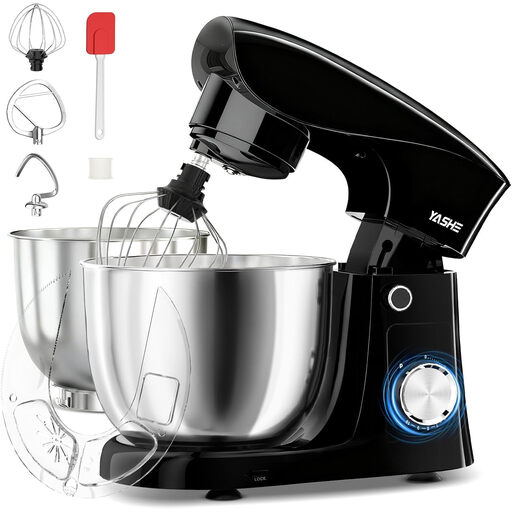
YASHE SM-2548 A food mixer, 1,500 W
A dough hook is a useful feature to look for if you want a machine for dough-making. Check the planned batch size against the specifications for the specific model.
Listed in the product title: two stainless steel bowls with capacities of 4.5 l and 5 l, plus more than 10 speed settings.
View at Joybuy
 No image available
Stand mixer with a 5-l stainless steel bowl
The dough hook listed in the specifications makes this model worth considering as a food mixer for dough-making. Plan your recipe quantity according to the information for the specific appliance.
Listed in the product title: 10 speed settings, 600 W, a beater, whisk and splash guard.
View at Joybuy
 No image available
Dough mixer and food processor with a 4.5-l stainless steel bowl, beige
The product specifications list dough and beater attachments. Before planning your workshop, check that the permitted yeast dough quantity suits your recipe.
Listed in the product title: 1,300 W, six speed settings and a pulse function.
View at Joybuy
 No image available
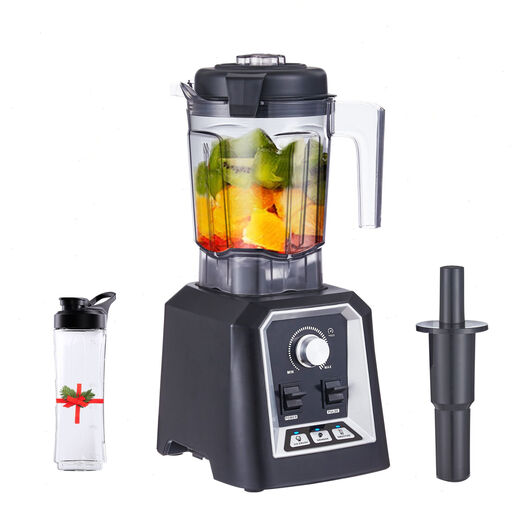
BioloMix T5800 stand mixer
The product description lists a dough-kneading programme. Check whether it’s suitable for your recipe by looking at the specifications for the permitted yeast dough quantity; bowl capacity alone won’t tell you.
Listed in the product title: 2,200 W, a 1,600-ml bowl, variable speed control and a self-cleaning function.
View at Joybuy
 No image available
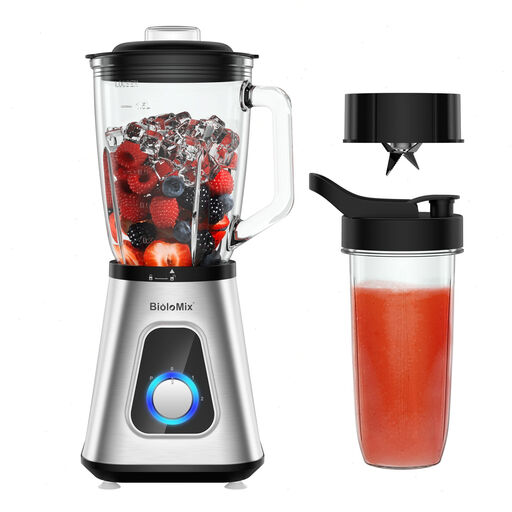
BioloMix SF701 stand mixer
The product description lists kneading thick dough as one of its uses. Check the permitted quantity for your milk roll dough before deciding on the workshop batch size.
Listed in the product title: a 1.5-l glass bowl, a 600-ml bottle, removable blades and a self-cleaning function.
View at Joybuy
Frequently asked questions
Is the bowl capacity enough to work out how much milk roll dough to make?
No. Bosch Home Appliances lists different quantities for cake batter and yeast dough for the MUM58W20. Compare your recipe with the limit for the relevant type of dough and the specific model, rather than relying on bowl capacity alone.
Which speed should I use to knead yeast dough in a KitchenAid?
KitchenAid recommends speed 2 for yeast dough and specifies limits for kneading time and total mixing and kneading time. This manufacturer recommendation doesn’t automatically apply to mixers from other brands, so follow the instructions for your specific model.
How should I clean the mixer and attachments after a workshop session?
Follow the instructions for the specific model and attachment. For the Severin KM 3899, the manufacturer says to switch off the appliance, unplug it and wait for the motor to stop before cleaning. According to the instructions, removable parts can go in the dishwasher, but the motor unit must not be immersed in water.
Is the CE mark an independent quality seal for good kneading performance?
No. The EU’s Your Europe information page explains that the CE mark isn’t a general quality certificate issued by a central EU body. Where relevant EU rules require it, the manufacturer uses the mark to declare that the product meets the applicable requirements. The Federal Institute for Occupational Safety and Health describes the marking requirements for electrical products covered by low-voltage regulations. The CE mark doesn’t tell you how well a model kneads.


