Anyone preparing raita for several meals
You regularly grate cucumbers for several portions and want to plan the batches, working capacity and chilling all together.


For cucumber raita with distinct pieces of cucumber, the right grating disc matters more than a chopping blade: Good Food’s recipe grates the cucumber and then squeezes out the excess liquid. If you’re making several portions, also check the working capacity of the specific model, how easy it is to empty and how much cleaning it requires. A compact appliance with a direct-feed attachment may be a good fit for grating into a separate bowl. The German Federal Institute for Risk Assessment recommends keeping perishable foods chilled at between 2 °C and 7 °C.
You regularly grate cucumbers for several portions and want to plan the batches, working capacity and chilling all together.
You want distinct grated cucumber rather than puréed cucumber, so you pay particular attention to the grating disc and squeezing out the cucumber.
You make raita occasionally or in smaller batches, and weigh up the appliance’s size, direct feed and cleaning requirements.
First, check that the appliance comes with a suitable grating disc. Then consider working capacity, how the food is collected and the cleaning process to find an appliance that suits your portion size and available space.
| What matters | What to check before buying | Who will find this most useful? |
|---|---|---|
| Several portions | Compare bowl size and stated working capacity separately; check the permitted quantities in the instructions. | When I’m preparing several meals, I want to grate the cucumbers without having to run too many batches. Around 29% of consumers prioritise portion size. |
| Cucumber texture | Check whether the specific model includes a suitable coarse or fine grating disc. | If I want the cucumber to remain distinct in the raita, the right grating attachment matters. Around 29% of consumers put their preferred cucumber texture first. |
| Space and cleaning | Compare the dimensions, feed outlet, parts required and the model’s cleaning instructions. | When worktop space is limited, I want to avoid unnecessary parts and awkward transfers. Around 21% of consumers prioritise space and ease of cleaning. |
| Hygiene and chilling | Plan how to clean the parts that come into contact with food and how to keep the finished raita chilled. | When I prepare and store raita, I want to keep everything clean and chill the dip afterwards. Around 21% of consumers prioritise this kind of batch preparation. |
A large bowl doesn’t automatically mean you can process the same quantity of every ingredient at once. For the FDM72.990SS, Kenwood specifies a 3.0-l bowl and a separate working capacity of 1.5 l for liquids.
Check the permitted quantities for the exact model and, if needed, plan to grate the cucumber and mix in the yoghurt as separate steps.
A blade for chopping or puréeing won’t necessarily give you the cucumber texture you want. Good Food’s raita recipe uses grated cucumber, which is then squeezed.
Before buying, check that the specific version comes with a suitable grating disc.
Bosch marks the MCM3501M as no longer available on its German product page. The reversible discs described there therefore don’t tell you whether a currently available version includes the same features.
Check that the model actually on offer and the accessories you need are available. Finding compatible accessories for older appliances can take extra effort.
The MultiPro XL Weigh+ and MultiPro Go ranges suit different ways of working: a larger bowl with several processing discs, or compact grating with a direct-feed attachment.
The Food Processor 5KFP1319EAC is aimed at buyers looking for a larger bowl and a choice of slicing and grating options.
The compact Viva HR7530/10 is an option if you want one appliance for grating or slicing as well as other small kitchen jobs.
The MultiTalent 3 appliances show how reversible discs can be used for grating and slicing in a compact food processor.
This Joybuy selection includes appliances for grating cucumber for raita, from compact models with a direct-feed attachment to food processors with larger bowls.
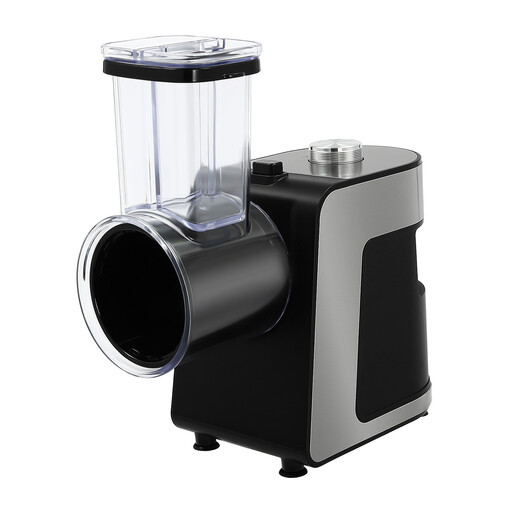 No image available
The coarse and fine grating blades are a handy feature for grating cucumber.
The description specifies coarse and fine grating blades, a wide feed chute and removable parts.
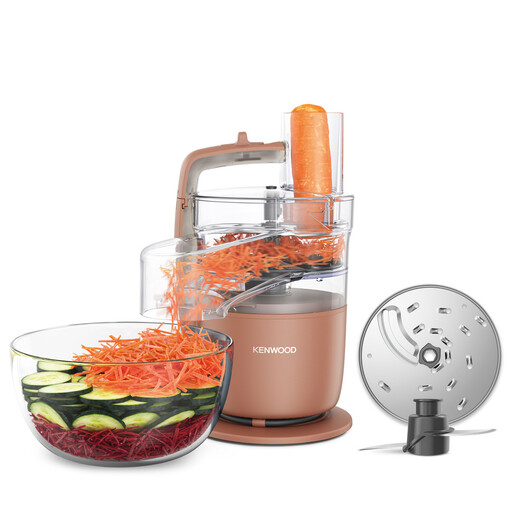 No image available
The direct-feed attachment is a good option if you want to grate cucumber into a separate bowl.
The description specifies a reversible 4 mm slicing and grating disc, as well as Express Serve. The bowl holds 1.3 l; the stated working capacity is 0.75 l for dry ingredients and 0.75 l for liquids. These figures are not the same as the bowl volume.
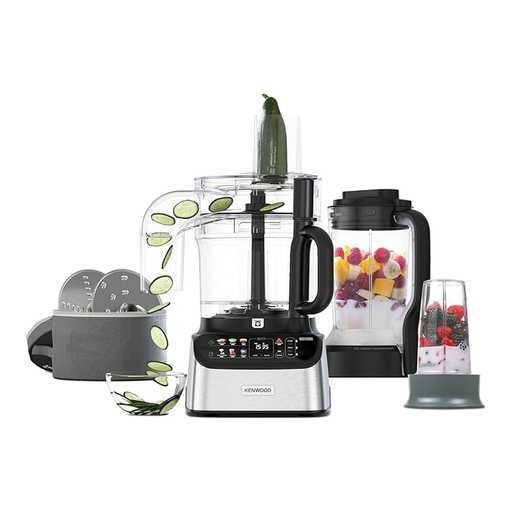 No image available
The stated grating discs make this a good fit if you want to grate cucumber for raita and plan to tackle several preparation steps.
The description specifies a 3-l bowl, two reversible slicing and grating discs, digital scales and an Express Serve attachment for direct feeding. The parts are described as dishwasher-safe.
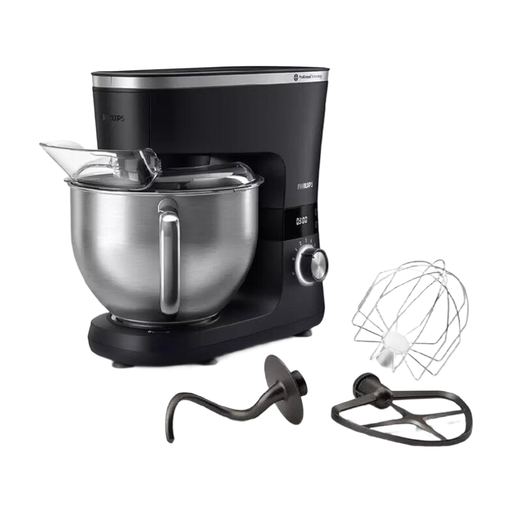 No image available
This model is worth considering if you’re looking for a large bowl and a specifically stated grating function.
The food processor is specified with a 5.5-l bowl and eight speed settings. Its listed functions include grating and shredding, and the main components are described as dishwasher-safe.
If you want distinct pieces of cucumber, use a suitable grating disc rather than a purée blade. Good Food’s recipe grates and squeezes the cucumber; you can prepare the yoghurt and herbs separately, then mix them with the cucumber. The recipe doesn’t guarantee that every appliance will produce the same texture.
Squeeze the grated cucumber before mixing it in. Good Food’s recipe also notes that adding salt too early can draw moisture out of vegetables.
The German Federal Institute for Risk Assessment recommends storing perishable foods in the fridge at between 2 °C and 7 °C, and keeping them chilled when you’re out and about. Cover the raita and clean your utensils after handling raw ingredients. This doesn’t provide a universal storage time for every recipe and storage condition.
According to information from the European Union, CE marking is required only for products covered by relevant harmonised rules that specifically require it. The German Federal Network Agency lists labelling, manufacturer details and instructions in German among the points to check. For faulty goods, statutory rights against the seller should be distinguished from a voluntary guarantee; this doesn’t establish whether the documentation for a particular offer is complete.