A food processor with a blade and a variable pulse function is a good option if you want to briefly process butter and dry ingredients, then fold in the liquid and savoury additions by hand. Good Food recommends this short processing method for scones, while one cheddar scone recipe rubs the butter in by hand, so a machine isn’t essential. If you’re making several batches, the model’s stated dough capacity matters more than the bowl size. You should also consider how much worktop and storage space you have.
Who is a food processor suitable for?
Scone bakers focused on the dough
If you want to briefly work the butter into the dry ingredients and then finish the dough with care, a variable pulse function and a suitable blade can help. Good Food recommends short pulses as a method for making scones.
Hosts making several batches
If you’re bringing food to a get-together, it’s worth comparing the recipe quantity for each batch with the stated dough capacity of the specific machine. For example, Bosch gives the MC812M865 a maximum dough capacity of 1.5 kg.
Home cooks short on space
If you also want to use the machine for cheese or vegetables, remember to make room for the attachments as well as the bowl. Bosch gives the MC812M865’s dimensions as 430 × 250 × 300 mm.
What should you look for when buying?
Compact food processor
A good fit if: you make small batches and want to pulse butter and flour briefly.
The trade-off: Making several batches means repeatedly filling and cleaning the bowl. The bowl capacity alone doesn’t tell you how much dough the machine can handle.
Larger food processor
A good fit if: you regularly prepare larger quantities and have enough worktop and storage space. Bosch states that the MC812M865 can handle up to 1.5 kg of dough.
The trade-off: According to the manufacturer, the Bosch model measures 430 × 250 × 300 mm. Check that its capacity and attachments suit your needs.
Mixing by hand
A good fit if: you only bake scones occasionally and don’t want another appliance to store. A Good Food cheddar scone recipe rubs the butter into the flour by hand.
The trade-off: You’ll do the rubbing-in and mixing yourself. The recipe doesn’t establish that using a machine is quicker or produces better results.
| Buying priority |
What to check |
Who is it important to? |
| Controlled dough processing |
Pulse function, suitable blade and instructions for the specific type of dough. |
If I only want to briefly process butter and flour, then finish the dough by hand, controlled processing matters more to me than prolonged kneading. Around 36% of consumers put control over the dough first. |
| Quantity per batch |
Recipe quantity per batch and the model’s stated maximum dough capacity; don’t treat litres as equivalent to kilograms. |
If I’m bringing scones for several guests, I want to know how many batches I’ll need to make. Around 29% of consumers prioritise a suitable batch size. |
| Space and cleaning |
Appliance dimensions, storage space for attachments and which parts the instructions say are dishwasher-safe. |
If my kitchen has limited worktop and storage space, I want to be able to put the appliance and its attachments away easily after baking. Around 21% of consumers prioritise space requirements and cleaning. |
| Other savoury ingredients |
Check which grating and slicing discs are actually included with the specific model. |
If I also want to prepare cheese or vegetables with the same appliance, the included attachments matter to me. Around 14% of consumers prioritise additional food preparation functions. |
Avoid common misconceptions
-
Confusing bowl capacity with dough capacity
The bowl’s capacity in litres and its maximum dough capacity describe different things. Bosch also lists conflicting bowl capacities for the MC812M865 on the same product page.
Compare your recipe’s ingredient weight with a clearly stated dough limit for the exact model, and check any conflicting product details before you buy.
-
Automatically choosing a large machine for occasional scones
You can make a savoury cheddar scone recipe without a food processor. A larger machine also needs worktop and storage space.
If you only bake scones occasionally, compare the hand-mixing method with the machine’s usefulness for other foods you prepare regularly.
-
Treating a general ranking as a scone test
The IMTEST comparison, published on 22 March 2024, assesses food processors for general tasks; it doesn’t specifically assess the quality of savoury scones.
At most, use the list as a starting point for further product research, then check the attachments, recipe quantity and exact model separately.
Brands and model ranges to consider
Kenwood
According to Kenwood, the MultiPro Compact FDM301SS combines food preparation tasks with a blade, dough tool and pulse function.
- Kenwood lists a 2.1-litre bowl and a separate 1.2-litre capacity for dry ingredients.
- These figures don’t confirm how many kilograms of scone dough it can handle.
Bosch
The MultiTalent 8 MC812M865 is worth considering when planning quantities, as you may be looking for a clearly stated dough capacity.
- Bosch lists a maximum dough capacity of 1.5 kg and appliance dimensions of 430 × 250 × 300 mm.
- The manufacturer’s website gives bowl capacities of both 2.4 and 3.9 litres. Check this discrepancy before relying on either figure for your planning.
Philips
According to Philips, the Viva Collection HR7530/10 combines chopping with attachments for dough and other kitchen tasks.
- Philips recommends speed setting 1 for pastry and bread doughs.
- This manufacturer’s guidance doesn’t confirm a suitable batch size for scones or independently tested dough quality.
KitchenAid
The German product range lists functions including kneading and grating for the 1.7-litre Food Processor 5KFP0719EBM.
- This specific model may be useful if you want to prepare other ingredients as well as dough.
- The functions listed for this model can’t be assumed to apply to every other KitchenAid food processor.
Cuisinart
According to the manufacturer, the Expert Prep Pro FP1300BE comes with two bowl sizes and attachments for a range of food preparation tasks.
- Cuisinart lists a 3-litre large bowl and a 0.95-litre small bowl, as well as a dough blade and pulse function.
- The manufacturer doesn’t state a specific maximum weight for scone dough.
Joybuy products for this recipe
These Joybuy products include food processors and kitchen machines whose product descriptions mention dough preparation or related food preparation tasks.
 No image available
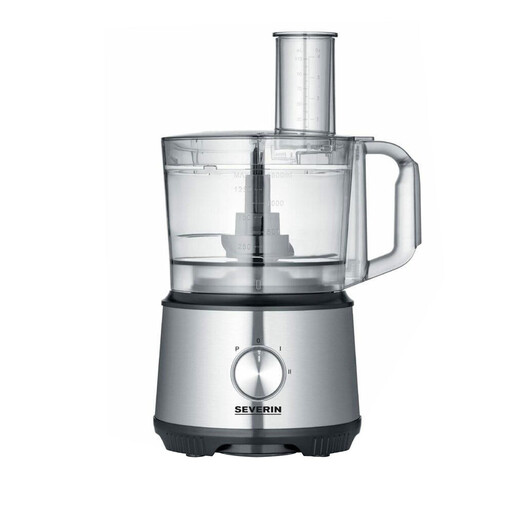
Severin KM 3892 kitchen machine
The product description lists kneading, stirring, grating and chopping as intended uses.
Before buying, check which attachments are actually included for your dough and other ingredients.
View at Joybuy
 No image available
Food processor with 4.5-litre stainless steel bowl, 1300 W
The product description lists a pulse function and dough hook, which may be useful for short processing steps.
It also lists a 4.5-litre stainless steel bowl, six speed settings plus pulse, and a beige finish.
View at Joybuy
 No image available
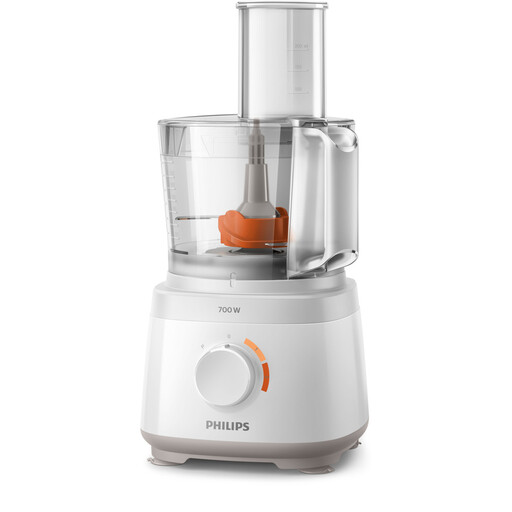
Philips Daily Collection HR7320/00 food processor
The product details list a kneading tool and pulse function. Check the instructions to see which steps they recommend for your recipe.
The product description lists 700 W, 2.1 l and a white finish.
View at Joybuy
 No image available
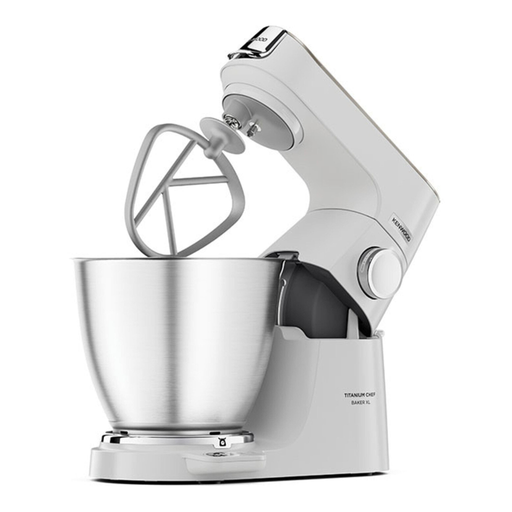
Kenwood Titanium Chef Baker XL KVL65.001WH
The product details list a dough hook and a K-beater. Compare the tools with the steps in your scone recipe.
Also listed are a 7-litre bowl, 1200 W, built-in scales and a three-piece patisserie set.
View at Joybuy
 No image available
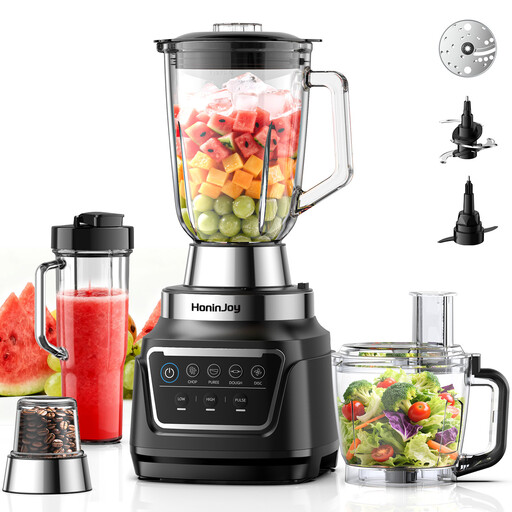
HoninJoy All-in-One Blender & Food Processor, 10-in-1
The product description lists dough preparation, slicing and shredding as functions. Check which tools are included for these tasks.
The product is described as a 10-in-1 blender and food processor combination.
View at Joybuy
Frequently asked questions
Does the whole scone mixture need to go in the food processor?
No. A scone recipe published by Good Food pulses flour and cold butter in the machine, then briefly mixes in the liquid by hand in a bowl. A savoury cheddar scone recipe also shows how to make them by hand. Follow the steps in your chosen recipe; this doesn’t prove that using a machine gives better results.
How do I choose the right size machine for several guests?
First, compare the ingredient weight for each batch with the stated dough capacity of the specific model. Bowl capacity in litres isn’t a substitute for a dough limit in kilograms.
What should I bear in mind when cleaning after preparing cheese?
Clean the utensils and surfaces you’ve used between tasks. The Verbraucherzentrale recommends cleaning kitchen utensils and washing your hands before and between tasks. The instructions for the specific model will tell you which removable parts can go in the dishwasher.
How should I transport scones with a topping that needs to be kept chilled?
Follow the storage instructions for the ingredients you’re using and keep any toppings that need chilling cool during transport. The Verbraucherzentrale points out that the required storage temperature depends on the food in question.


