For smaller batches of biscuits, or batches made over several sessions, a food processor with a suitable dough tool could be an option. If you regularly make larger quantities, a stand mixer with a mixing bowl and a stated limit for the type of dough you’re making is a natural alternative. Compare your recipe quantity with the figures for the exact model and dough type: bowl capacity, dry ingredients and permitted dough quantity are different measurements. Kenwood and Bosch list these capacities separately in their manufacturer specifications; this does not amount to an independent test using your spiced biscuit recipe.
Who should consider which appliance?
Bake-sale bakers making multiple batches
If you’re planning a larger quantity overall, divide it into suitable batches according to the limits specified for the exact model and type of dough. Kenwood and Bosch list different capacities for dry ingredients and specific types of dough.
Biscuit bakers focused on dough preparation
Choose tools and controls that suit your recipe. For the HR7778/00, Philips distinguishes between a blade unit for mixing cake batter and a metal kneading hook for bread dough; Kenwood lists a dough tool for certain models.
Everyday cooks short on storage space
If you also want the appliance to slice or chop ingredients, compare what’s actually included with the functions you use regularly. Kenwood and KitchenAid list additional accessories alongside dough tools for the models mentioned here.
What should you look for when buying?
Food processor with a dough tool
A good fit if: you’d like to slice, grate or chop as well as make the occasional batch of biscuits.
The trade-off: A wide range of accessories doesn’t confirm that the appliance can process a whole bake-sale batch in one go.
Stand mixer with a mixing bowl
A good fit if: you regularly mix or knead larger quantities and can compare them with a stated limit for the type of dough you’re making.
The trade-off: Manufacturer limits for cake batter or yeast dough don’t automatically apply to every biscuit recipe.
First, decide how much dough you need to make per batch and what kind of preparation it requires. Then check the tool, the specific capacity figure and any extra accessories you’ll need for the exact model variant.
| Priority |
What to check when buying |
Who is it important to? |
| Batch size |
Compare the weight of the recipe per batch with the figure given for the exact model and type of dough. Don’t treat the dry-ingredient capacity as the weight of finished dough; Kenwood lists these figures separately. |
If I’m planning the total quantity for a bake sale, I want to know how much dough the appliance can process per batch. Around 36% of consumers put the permitted batch size first. |
| Tools and control over the dough |
Check what’s included with the exact variant and follow the recipe instructions. For the HR7778/00, Philips lists different tools for cake batter and bread dough. |
If you want to control how ingredients are mixed, you need a tool suited to your recipe rather than relying on the appliance’s name alone. Around 29% of consumers prioritise dough preparation. |
| Versatility and space |
Check that the functions you need, the appliance’s footprint and the attachments actually included all suit you. For the 5KFP1319EAC, KitchenAid lists a dough blade along with slicing and dicing accessories. |
If I want to use the appliance for other kitchen tasks too, I also want to know how much accessory storage I’ll need. Around 21% of consumers focus mainly on versatility and space. |
| Cleaning between batches |
Check the model-specific details of removable and dishwasher-safe parts; plan separately for hygiene when changing ingredients. |
If you’re preparing different ingredients or recipes, you’ll want to know what cleaning is involved beforehand. Around 14% of consumers put cleaning requirements first. |
Common buying mistakes
-
Assuming bowl capacity tells you how much biscuit dough the appliance can handle
Manufacturers distinguish between bowl capacity, dry-ingredient capacity and limits for specific types of dough. You can’t simply convert one figure into another.
Weigh the ingredients for a planned batch and compare the total with a capacity figure for the exact model and type of dough.
A large quantity overall may therefore need to be made in several batches.
-
Assuming every appliance called a food processor can handle the same kneading tasks
Food processors and stand mixers with a mixing bowl are designed around different tools. Even food processors may have separate blades and dough hooks for different tasks.
First decide based on your recipe and the number of batches, then check which tool is actually included with the version you’ve chosen.
-
Assuming every model in a product range comes with the same accessories
What’s included can vary by model and variant; a general description of the range is no substitute for checking the specific product.
Check the full model number and the list of included accessories before you decide.
Key brands at a glance
Kenwood
MultiPro models have different bowl and dry-ingredient capacities; the XL Weigh+ variant also includes scales.
- For the FDP31.360GY, Kenwood lists a dough tool, a 2.1 l bowl and a dry-ingredient capacity of 1.2 kg. For the FDP65.820SI, the manufacturer lists a 3 l bowl and a dry-ingredient capacity of 1.5 kg.
- Dry-ingredient capacities don’t confirm how much finished spiced biscuit dough the appliance can handle.
Philips
For the HR7778/00 food processor, Philips lists different tools for different dough tasks.
- Philips lists a blade unit for mixing cake batter and a metal kneading hook for bread dough.
- The manufacturer’s information doesn’t show what results the appliance will achieve with a particular spiced biscuit recipe.
Bosch
The MUM58200 is a stand mixer with a mixing bowl, suited to buyers who mainly want to mix and knead.
- Bosch lists a 3.9 l bowl, a beater and a dough hook, as well as maximum quantities for cake batter and yeast dough.
- The stated limits don’t automatically apply to spiced biscuit dough.
KitchenAid
The 5KFP1319EAC food processor combines a dough blade with slicing and dicing accessories.
- For the cream-coloured variant, KitchenAid lists a 3.1 l bowl and a pulse function.
- The specifications don’t confirm the maximum quantity for your planned biscuit recipe.
Braun
The PurEase range includes food processors for chopping, slicing and dough preparation.
- On its German product range page, Braun describes a dough tool and pulse control.
- Check what’s included and the limits for the exact variant; the range description isn’t a performance test.
Joybuy products for dough preparation
The Joybuy products below are for mixing and kneading dough in a bowl. Compare your recipe quantity with the specifications for the relevant model variant and type of dough.
 No image available
HAUSWIRT M5 Max stand mixer, 5.5 l
For anyone comparing stand mixers with a bowl for dough preparation; check the suitable batch size for the type of dough you’re making.
5.5 l; 11 speed settings; 4.5-inch LED touchscreen; all-metal construction; colour: silver.
Joybuy
 No image available
Stand mixer with a 5 l stainless steel bowl
For anyone comparing stand mixers with a dough hook and beater; check the suitable quantity for your recipe.
5 l stainless steel bowl; 10 speeds; 600 W; dough hook, beater, whisk and splash guard.
Joybuy
 No image available
Food processor and dough mixer with a 4.5 l stainless steel bowl
For anyone considering an appliance described as a food processor and dough mixer; check that its features meet the needs of your recipe.
4.5 l stainless steel bowl; 1,300 W; 6+P speed settings; colour: beige.
Joybuy
 No image available
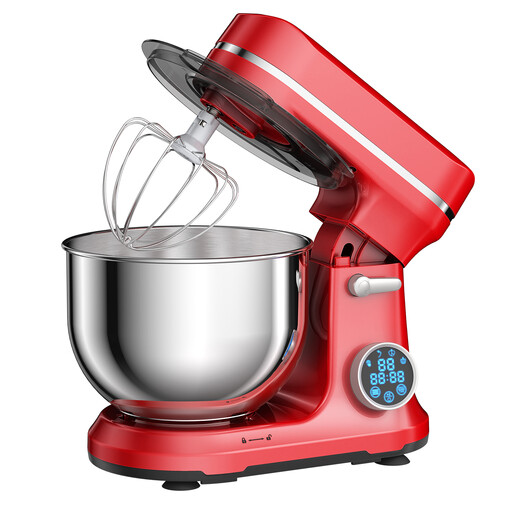
BioloMix BM602E stand mixer
For anyone comparing a bowl mixer with a planetary mixing system; this doesn’t confirm the maximum quantity of biscuit dough it can handle.
5 l capacity; 1,200 W; planetary mixing system; 11 speed settings; colour: red.
Joybuy
 No image available
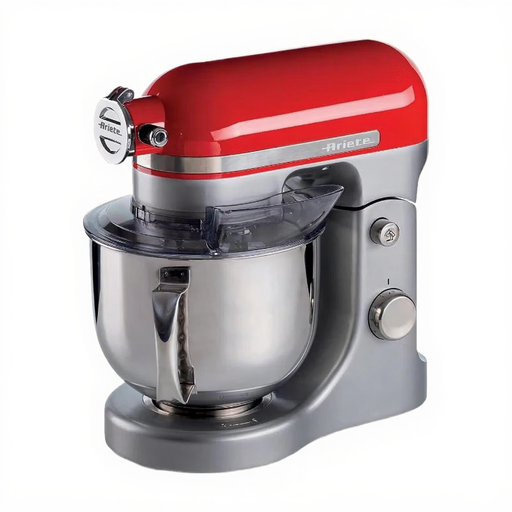
Ariete 1589 Moderna stand mixer
For anyone comparing a stand mixer with several attachments for different preparation tasks; check the stated quantity for the specific dough you’re making.
1,600 W; 5.5 l; 11 speeds; three attachments for mixing, blending and whisking; colour: red.
Joybuy
Frequently asked questions
Can I assume that a 3 l bowl can hold 3 kg of biscuit dough?
No. Manufacturers list bowl capacity, dry-ingredient capacity and limits for specific types of dough separately. Compare the weight of your recipe with a figure for the right type of preparation on the exact model; without one, the full batch isn’t confirmed as suitable.
What should I bear in mind before the first batch and between recipes?
Follow the instructions for your exact model on tools, assembly and cleaning. If your recipe contains raw egg, don’t taste the dough; wash your hands and clean utensils and surfaces thoroughly after contact, before they touch other food. The German consumer advice centre advises against tasting raw dough.
What’s the difference between a manufacturer’s guarantee and your statutory rights?
When you buy as a consumer, your statutory rights are with the retailer; the German Federal Government gives the general period as two years. Any additional manufacturer’s guarantee is separate and is subject to its own terms and conditions.
Do I need to label allergens at a bake sale in Germany?
You can’t tell from the term “bake sale” alone. Lebensmittelklarheit distinguishes occasional private cake sales from regular sales, while the German consumer advice centre treats school kitchens and caterers separately. Check how your particular sale is classified with the organiser, and keep a record of the ingredients in case anyone asks.


