Tart bakers short on kitchen space
If you make sweet shortcrust pastry and want to store the appliance away neatly afterwards, a compact design could be a good fit. Even so, check that its permitted working capacity is sufficient for your recipe.


For sweet tart pastry, choose a food processor that lets you process ingredients briefly and with control, and has a suitable dough tool. Bosch Hausgeräte Deutschland recommends using cold ingredients and kneading briefly. Choose a bowl to suit your recipe and check the permitted dough quantity for the exact model. Whether your finished tart needs to be kept chilled for a picnic depends on its filling, not on the machine used to make the pastry.
If you make sweet shortcrust pastry and want to store the appliance away neatly afterwards, a compact design could be a good fit. Even so, check that its permitted working capacity is sufficient for your recipe.
If you’re preparing several pastry cases or other dishes as well, compare the working capacity, attachments and space requirements of larger appliances.
If you also regularly use the appliance for slicing, grating or chopping, look for the right attachments and check which parts you’ll need to clean afterwards.
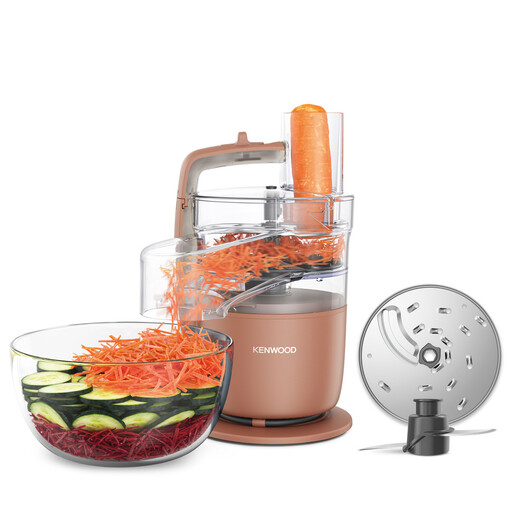
A good fit if: you usually prepare smaller quantities and have limited storage space. Kenwood lists a pulse function and dough processing for the MultiPro Go FDP23.140GY.
The trade-off: bowl capacity and usable working capacity aren’t the same thing, so check the permitted dough quantity for the exact model.
A good fit if: you’re planning to make several tarts or also want to slice and grate ingredients. KitchenAid lists a 3.1-l bowl, a dough blade and a pulse function for the 5KFP1319EAC.
The trade-off: extra attachments can take up more space and add to the cleaning. These details apply to the model named.
A good fit if: you already own a suitable appliance with the right mixing tool and mainly want to make shortcrust pastry. KitchenAid Deutschland’s pâte sucrée recipe uses a stand mixer and recommends mixing briefly.
The trade-off: a stand mixer doesn’t automatically offer the slicing and grating functions of a food processor.
First compare the dough tool provided and the permitted working capacity. Then decide whether a compact design or extra uses matter more in your day-to-day life.
| Priority | What to check before buying | Who it matters most to |
|---|---|---|
| Processing dough with control | Check for a pulse function, the specified blade or dough tool, and instructions for the exact model. | If I want to mix cold ingredients briefly, having control over the process matters to me. Around 36% of consumers put this at the top of their list when choosing. |
| Working capacity | Compare your recipe quantity with the permitted dough or working capacity for the exact model, rather than relying on bowl volume alone. | If I’m preparing several tarts, I want to know whether the planned quantity can be processed in one go. Around 29% of consumers pay closest attention to finding the right working capacity. |
| Countertop and storage space | Allow for the appliance’s dimensions and the space needed for the bowl, blade and discs. | If I have limited worktop space, I need an appliance that I can store away with its attachments after baking. Around 21% of consumers prioritise the space it takes up. |
| Cleaning | Check the instructions for each individual part to see whether it’s dishwasher-safe and how to remove the blade safely. | If I want to clean as few individual parts as possible after preparing ingredients, the cleaning involved matters to me. Around 14% of consumers prioritise ease of cleaning. |
Bowl volume and usable working capacity may be listed differently and may refer to different ingredients. The number of litres alone doesn’t confirm that the appliance can process the quantity in your recipe.
Compare your recipe quantity with the dough or working capacity explicitly listed for the exact model.
If the capacity isn’t sufficient, you may need to prepare the mixture in several batches.
Slicing or grating attachments don’t prove that an appliance will make better shortcrust pastry. For this type of dough, brief processing and using the tool specified for the model are what matter.
Choose extra attachments for tasks you actually do, and check the manufacturer’s guidance on the dough tool.
Extra attachments take up storage space and can mean more cleaning.
Whether a tart needs to be kept chilled depends on its filling, not on how the pastry was made. The German Federal Institute for Risk Assessment warns that germs can multiply if food isn’t kept sufficiently cool.
Plan how to transport and store your finished tart according to its filling, and make separate arrangements for any chilling it needs.
If the filling needs to be kept chilled, you’ll need to plan how to transport it to the picnic.
The MultiPro Go FDP23.140GY is aimed at buyers with limited storage space who occasionally need to slice or grate ingredients.
The PurEase FP3131WH comes with a chopping blade, dough hook and other attachments.
The Food Processor 5KFP1319EAC has a larger bowl and several attachments, making it suitable for buyers who want to prepare ingredients for more than just dough.
The MultiTalent range includes a variety of compact food processors, with features and capacity varying by model.
This selection includes food processors and kitchen machines with dough attachments for preparing shortcrust pastry. Bowl sizes and features vary by model.
 No image available
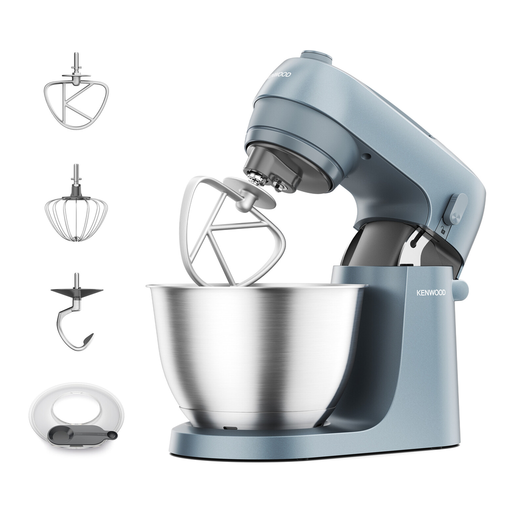
The stated bowl size and dough hook are useful features for baking preparation.
The listed features include a 4.5-l stainless steel bowl, 1300 W and six speeds plus a pulse function. A dough hook is also included. Check the instructions for the exact model to find the permitted dough quantity.
 No image available
The compact design and pulse function may suit you if storage space is limited and you want to control short bursts of processing.
The listed features include a 1.3-l bowl, a pulse function and dough processing. The usable dry capacity is 0.75 l; this isn’t a stated maximum quantity for shortcrust pastry.
 No image available
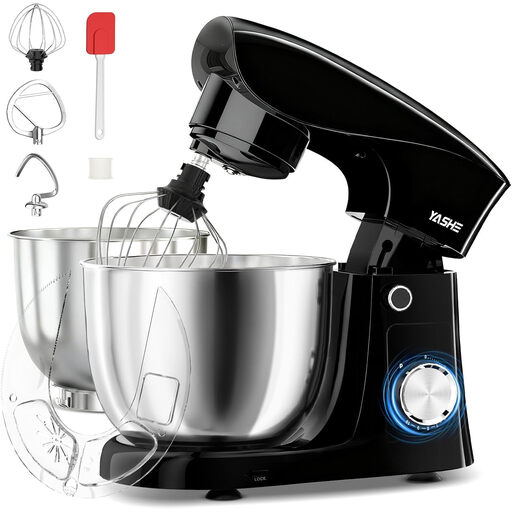
Two bowls and a dough hook can be useful for baking tasks involving different quantities.
The listed features include 4.5-l and 5-l stainless steel bowls, a dough hook and a pulse function. The product name also specifies 1500 W and at least ten speeds. Check the instructions for the permitted dough quantity.
 No image available
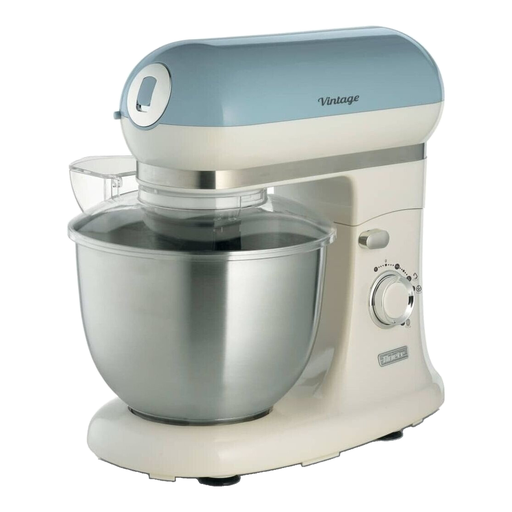
The larger bowl and dough hook may be worth considering for more substantial baking preparations.
The listed features include a 5.5-l stainless steel bowl, a pulse function and a dough hook. The product name also specifies 2400 W. Check the permitted dough quantity for the exact model.
 No image available
The compact design described could be useful in a kitchen with limited storage space.
The listed features include a 4-l bowl, six speeds, a pulse function and a dough hook. The product description also gives a height of 30 cm. Check the appliance dimensions and permitted dough quantity to make sure they suit your space and recipe.
No. Bosch Hausgeräte Deutschland recommends using cold ingredients and kneading briefly, as longer processing encourages gluten to develop. Also follow your appliance’s instructions on the right tool and permitted quantity.
No. The litre measurement tells you the bowl volume; it doesn’t automatically confirm the permitted dough quantity. Check the capacity information and instructions for the exact model.
Follow the instructions for the model in question. Kenwood refers users to the instructions for parts that are dishwasher-safe, while Braun lists removable blades for the PurEase FP3131WH. Take care when removing sharp blades.
If the filling needs to be kept chilled or is perishable, you’ll need to account for this during transport and storage until it’s eaten. The German Federal Institute for Risk Assessment warns that germs can multiply if food isn’t kept sufficiently cool; this doesn’t mean every baked tart needs to be chilled.