
Lieferung heute & morgen

Qualitätsgarantie

Willkommens-Angebote freischalten: KOSTENLOSE Lieferung | Bis zu 80 % RABATT | Kostenlose 30-Tage-JoyPlus-Testphase
App herunterladen
As a Joybuy Product Recommendation Officer, I analyse product information daily to provide you with clear, objective guidance in a crowded marketplace. With food storage containers, the true value of your purchase often isn't clear until a few weeks of use. Many containers overpromise and underdeliver, leading to frustration in the kitchen and on the go. This guide focuses on the critical features that separate a functional container from a frustrating one.
Before you make a decision, you should be aware of the three most common pitfalls that lead to wasted money:
To avoid these problems, you should focus your attention on three key factors. These determine the durability, functionality, and safety of your food storage containers.
The choice of material is fundamental and depends directly on your intended use.
A good locking system is the cornerstone of any airtight kitchen storage container.
Depending on your needs, additional features can make all the difference.
Here are some product recommendations tailored to specific use cases that avoid the common pitfalls.
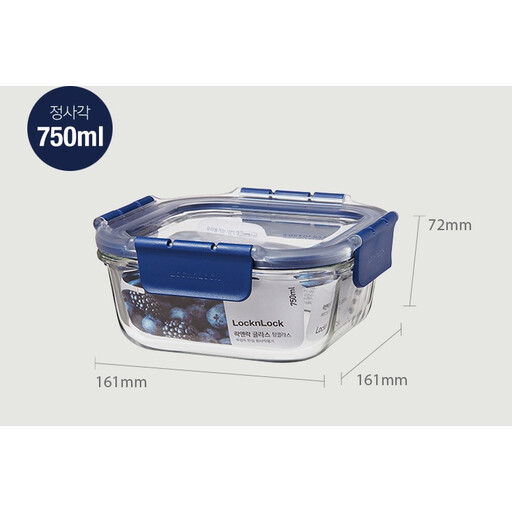
Why This Fits Their Persona: Ideal for anyone who wants to prepare, store, and reheat dishes in the oven without changing containers. Perfect for lasagne, casseroles, or roasted vegetables.
The borosilicate glass is heat-resistant up to 400°C (without the lid), according to the manufacturer, and resists stains and odours. It solves the problem of using materials unsuitable for high temperatures.
Versatility: Oven-, microwave- (without lid), freezer-, and dishwasher-safe. Hygiene: Odour- and stain-neutral glass.
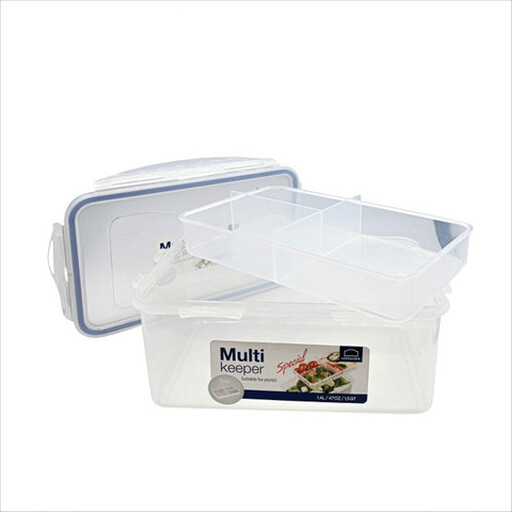
Why This Fits Their Persona: Perfect for professionals and students who prep their lunches. The divider keeps the main course and side dish neatly separated, and the secure lock is ideal for transport in a backpack.
The LocknLock locking system is renowned for its reliability and prevents sauces or dressings from leaking. It directly addresses the pitfall of leaky "leak-proof" containers.
Organisation: Integrated divider for separate storage. Safety: BPA-free polypropylene, microwave- and freezer-safe.
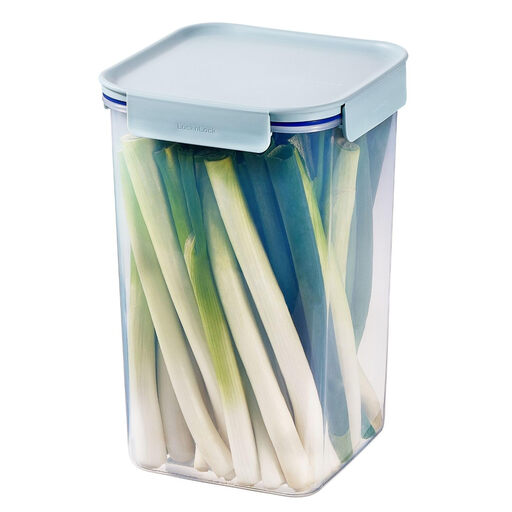
Why This Fits Their Persona: Ideal for storing large quantities of dry goods like flour, sugar, cereal, or pet food. The large volume and stackability help organise the pantry.
The secure lock provides an airtight seal that keeps out moisture and pests. This avoids the common pitfall of leaky pantry containers that allow contents to spoil.
Large Capacity: 4-litre volume for pantry storage. Space-Saving: The modular, square design allows for efficient stacking.
We have compiled a complete, up-to-date list of products that fully meet these strict selection criteria and all relevant safety standards.
1. Are glass food storage containers better than plastic ones? There is no single best choice; it depends on the intended use. Glass containers with lids are ideal for home use, as they are oven-safe, completely taste-neutral, and easy to clean. For transport to work or a picnic, plastic food containers are often the more practical solution due to their lighter weight and shatter-resistance.
2. How do you properly clean the gasket on food storage containers? For hygienic cleaning, the silicone gasket should be regularly removed from the lid. Clean both the gasket and the groove in the lid with warm water and mild dish soap. A small brush can help remove any residue. Allow both parts to dry completely before reinserting the gasket to prevent odours and mould from developing.
3. Can all food storage containers go in the microwave and freezer? No, not all of them. Always check the manufacturer's instructions, often indicated by symbols on the bottom of the container. Most freezer-safe containers can withstand temperatures down to -20°C. When heating in the microwave, the lid should generally be removed or at least vented, unless it is a special microwave-safe container with a vented lid. As a rule, only borosilicate glass containers are oven-safe, and plastic lids never are.