
Lieferung heute & morgen

Qualitätsgarantie

Willkommens-Angebote freischalten: KOSTENLOSE Lieferung | Bis zu 80 % RABATT | Kostenlose 30-Tage-JoyPlus-Testphase
App herunterladen
A good food storage container is an unsung hero in the kitchen. It keeps food fresh, brings order to your fridge, and helps with meal prepping. But the market is flooded with products whose promises often fall flat in practice. A leaky lid that ruins your bag or plastic that gets permanently stained after one use with tomato sauce are frustrating and costly experiences.
Before you make a purchase, it's crucial to understand the typical pitfalls that lead to frustration and unnecessary expense:
This guide will show you the crucial features to look for to find a food storage container that truly meets your needs.
To avoid a bad purchase, you should examine three core aspects: the material, the locking mechanism, and the temperature resistance. These factors determine the durability, safety, and versatility of your kitchen storage containers.
The choice of material has the biggest impact on a food storage container's potential uses and lifespan.
A reliable seal is crucial for a container to be truly airtight. The quality of the silicone gasket in the lid and the type of locking mechanism are the deciding factors.
For maximum flexibility, especially when used as meal prep containers, you should check their suitability for different temperature ranges.
Based on these criteria, we have curated a selection of products for different user profiles.
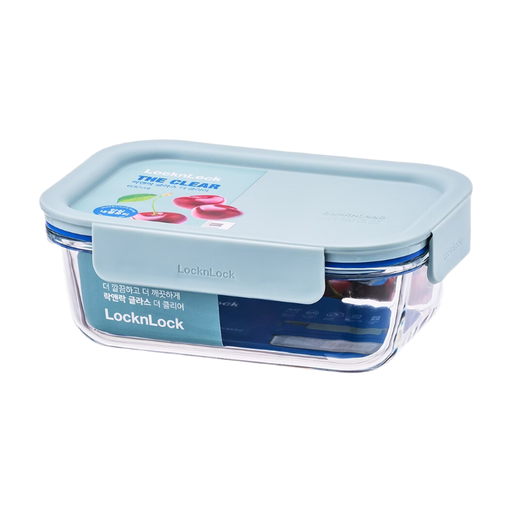
Why This Fits Their Persona: Ideal for single servings that go straight from the fridge to the microwave or oven, and then to the table. The compact size is perfect for office lunches.
The borosilicate glass is resistant to stains and warping. The lid, with its silicone gasket and four-way locking system, ensures reliable, leak-proof transport.
Heat-resistant and, according to the manufacturer, oven-safe up to 400°C (without lid). Hygienic, odour-neutral, and dishwasher-safe.
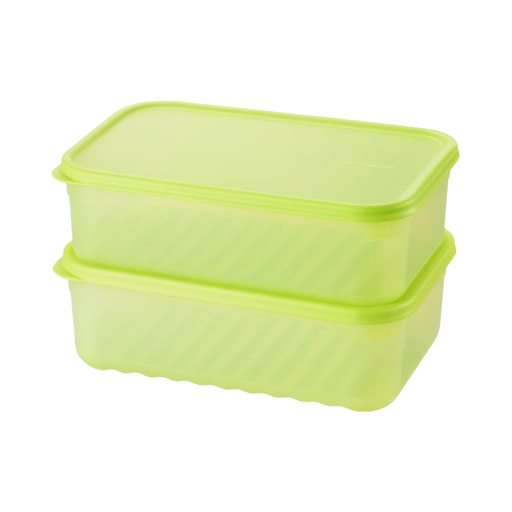
Why This Fits Their Persona: The large capacity is ideal for storing leftovers, large salads, or pantry staples. The set allows for uniform, space-saving organisation in the fridge.
The rectangular and stackable design makes optimal use of fridge space, avoiding the inefficiency of mismatched shapes. The durable plastic is designed for continuous use.
Large volume (3.2 L per container), freezer and microwave-safe (without lid). According to the manufacturer, the material absorbs ethylene gas to keep fruits and vegetables fresh for longer.
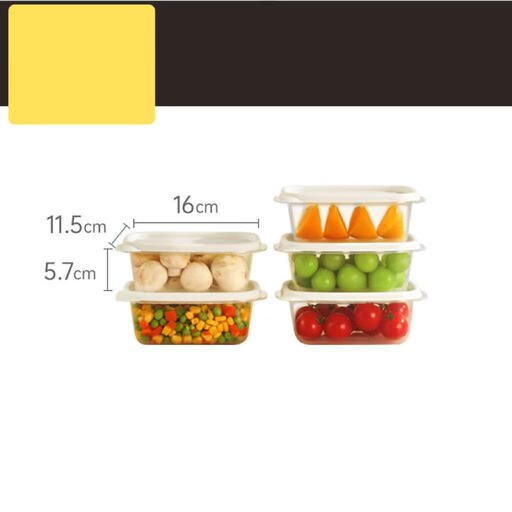
Why This Fits Their Persona: This set provides an affordable starter kit for kitchen organisation. The uniform size is ideal for storing snacks, small portions, or ingredients.
Instead of investing in a single expensive piece, this set offers a functional and uniform solution for creating order. The rectangular shape ensures efficient use of space.
A practical food storage container set with five 500 ml containers. The containers are suitable for fridge storage and offer great value for money.
We have compiled a complete, up-to-date list of products that fully meet these strict selection criteria and safety standards.
There's no one-size-fits-all answer, as the best choice depends on your intended use. Glass food storage containers (especially borosilicate glass) are hygienic because they don't absorb odours or stains and are often oven-safe. They are ideal for cooking and storing in the same vessel. Plastic containers are lighter, more shatter-resistant, and often more affordable, making them a great choice for transport and for households with children. It's important to look for BPA-free materials when choosing plastic.
BPA (Bisphenol A) is an industrial chemical used in the manufacturing of certain plastics. There are concerns that BPA can leach from containers into food. Products labelled as BPA-free are made without this chemical. This has become an established standard for food-contact products to ensure consumer safety.
To minimise odours, especially in plastic containers, you should clean them with warm water and dish soap immediately after use. For stubborn smells, like from onions or curry, letting a paste of baking soda and water sit in the container overnight can help. Always store your containers completely dry and, ideally, with the lids slightly ajar to allow for air circulation.