
Lieferung heute & morgen

Qualitätsgarantie

Willkommens-Angebote freischalten: KOSTENLOSE Lieferung | Bis zu 80 % RABATT | Kostenlose 30-Tage-JoyPlus-Testphase
App herunterladen
A good food storage container is an indispensable tool in the modern kitchen. It keeps food fresh for longer, organises the refrigerator, and, as a lunch box, makes transporting meals safe and easy. However, the market is overwhelming, and many products don't live up to their promises. The wrong choice of material or an inadequate seal can quickly lead to disappointments like leaked sauces in your bag or stained containers that absorb odours.
As your Joybuy Product Recommendation Officer, I'll help you identify the typical pitfalls and make an informed decision. We will focus on the objective features that define a quality food container, so you can find a durable solution that fits your daily life.
Many buyers are swayed by marketing claims that often don't hold up in practice. Pay attention to these three critical points to avoid a bad purchase:
To avoid the problems mentioned above, you should check three key features before buying. These determine the functionality, safety, and longevity of your new food storage containers.
Each material has specific pros and cons that make it suitable for different purposes.
The seal is the core component of any leak-proof container. Systems with four-sided click-lock latches combined with a surrounding silicone gasket offer the highest level of security. Check whether the gasket is removable for thorough cleaning or if it's permanently integrated into the lid, which can prevent the build-up of germs in crevices.
Consider how you plan to use the containers. The corresponding icons on the product or packaging provide this information:
Here are some recommendations tailored to specific needs that meet the quality criteria mentioned.
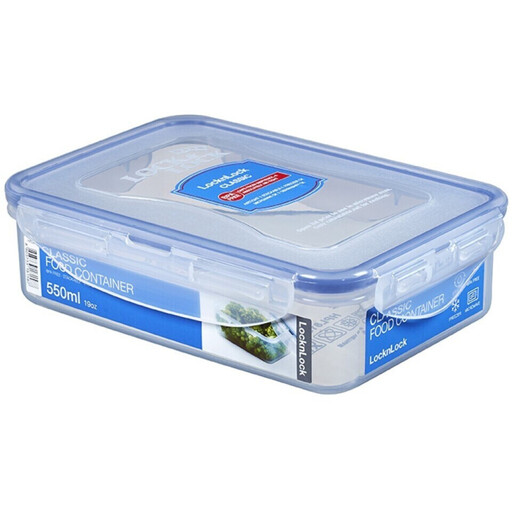
Why it's a great fit: Ideal for professionals and small households looking for a reliable and straightforward solution for their daily lunch box or for storing leftovers. Lightweight, robust, and practical.
The patented 4-sided locking system with a silicone seal ensures the container is not only airtight but also completely leak-proof. Sauces and soups stay securely inside.
Made from high-quality, BPA-free polypropylene that is durable and suitable for the microwave, freezer, and dishwasher. A reliable all-rounder.
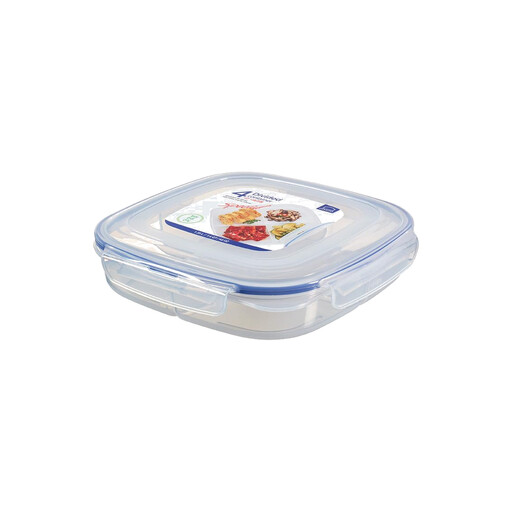
Why it's a great fit: Perfect for anyone who prepares their meals for the entire week. The large capacity and integrated divider allow you to neatly store different components in a single box.
This food storage container set solves the problem of needing multiple containers for one meal. The divider keeps side dishes like salad separate from the main course, so everything stays fresh.
The integrated divider makes these meal prep boxes especially practical. The set also offers excellent value for money for weekly meal planning.
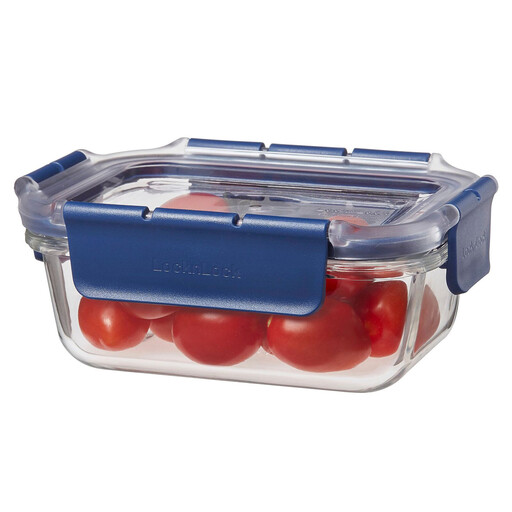
Why it's a great fit: For anyone looking for a plastic-free alternative who values maximum versatility. Ideal for preparing food in the oven and serving it directly at the table.
The borosilicate glass is resistant to staining and does not absorb odours—a direct counter to the problem of low-quality plastic containers. The high-quality Tritan lid is also stain-resistant and durable.
Heat resistance up to 400°C (according to the manufacturer, without lid) makes this glass food container extremely versatile—from the oven straight to the table and then into the fridge.
We've compiled a complete, up-to-date list of products that fully meet these strict selection criteria and German safety regulations.
No, not all of them. Always check the manufacturer's instructions, which are usually indicated by an icon on the bottom of the container. Stainless steel containers must never be put in the microwave. With plastic and glass containers, the lid usually needs to be removed or opened to prevent a dangerous pressure build-up. Also, take note of any time or power limitations.
For hygienic cleaning, removable silicone gaskets should be regularly taken out of the lid. Clean both the gasket and the groove in the lid with warm water and washing-up liquid. Let both parts dry completely before reinserting the gasket. This prevents the growth of mould and bacteria.
BPA (Bisphenol A) is a chemical compound used in the production of certain plastics, such as polycarbonate. It is suspected of being harmful to health as it can leach from the material into food. The BPA-free label guarantees that the plastic was manufactured without this substance, which is an important safety feature, especially when storing food. Modern plastic food containers are typically made of BPA-free polypropylene (PP).