
Lieferung heute & morgen

Qualitätsgarantie

Willkommens-Angebote freischalten: KOSTENLOSE Lieferung | Bis zu 80 % RABATT | Kostenlose 30-Tage-JoyPlus-Testphase
App herunterladen
A good food storage container is an indispensable tool in the kitchen. It keeps food fresh for longer, organises your fridge, and makes taking meals on the go effortless. But the selection is vast, and not every product lives up to its promise. Many of us know the disappointment: the lid no longer seals properly after just a few weeks, tomato sauce leaves stubborn stains, or the container advertised as "leak-proof" fails at the crucial moment.
As your Joybuy Product Recommendation Officer, I'm here to help you avoid these common pitfalls. We'll focus on the objective features that define a functional and durable food storage container, ensuring your next investment pays off in the long run.
Before choosing a model, it's helpful to know the most common weaknesses that often only become apparent after you've started using them.
To avoid the problems mentioned above, you should carefully examine three core features before buying. These define the quality and longevity of a food storage container.
The BPA-free label is an important standard today for plastics that come into contact with food. It means that no bisphenol A, a chemical compound with potentially harmful health effects, was used. However, this alone says nothing about durability.
Pay attention to the specific type of plastic. High-quality polypropylene (PP), often marked with "PP 5," is an excellent choice. It is robust, dimensionally stable, and has good temperature resistance. Unlike other plastics, it is less prone to staining and odour absorption, making it well-suited for pantry containers used to store a wide variety of foods.
This is what separates the good from the great. A truly airtight and leak-proof container requires two components:
A versatile food storage container must withstand various temperatures. Check the manufacturer's specifications carefully:
Based on the criteria above, we have identified a few products that offer a well-designed solution for specific needs.
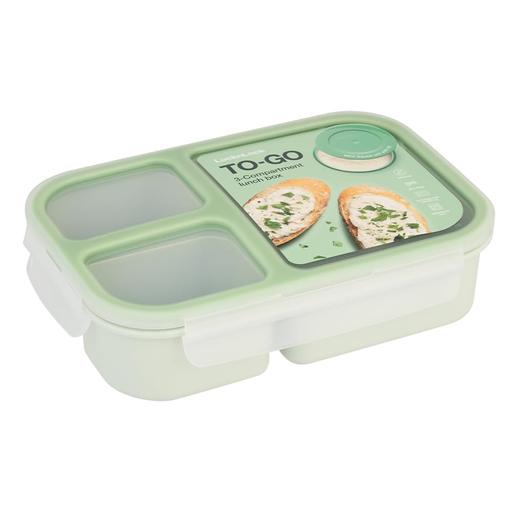
Why This Fits Their Persona: Ideal for professionals and students who want to pack a varied meal. The three compartments prevent salad, main course, and snacks from mixing. The integrated sauce container is a practical detail for dressings or dips.
The patented 4-sided locking system with a silicone gasket ensures a reliable seal that holds up even when transporting liquid-heavy foods like salads with dressing, avoiding the "false seal" problem.
The thoughtful compartment design and separate sauce container eliminate the need for multiple individual containers. The box is suitable for the microwave (without lid), freezer, and dishwasher.
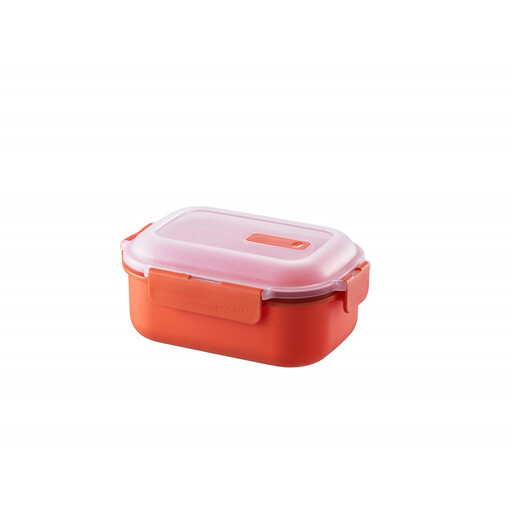
Why This Fits Their Persona: Perfect for anyone who wants to heat up their lunch quickly and cleanly in the microwave. The design is specifically tailored for this purpose, saving you from having to transfer food to a plate.
This model solves the "misleading microwave-safe" problem. The integrated steam vent in the lid allows for heating with the lid on. This prevents splatters and ensures an even result without the lid warping.
According to the manufacturer, the material's heat resistance is rated up to 140°C (284°F), which is higher than the standard for many other containers. This makes it particularly safe for regular reheating.
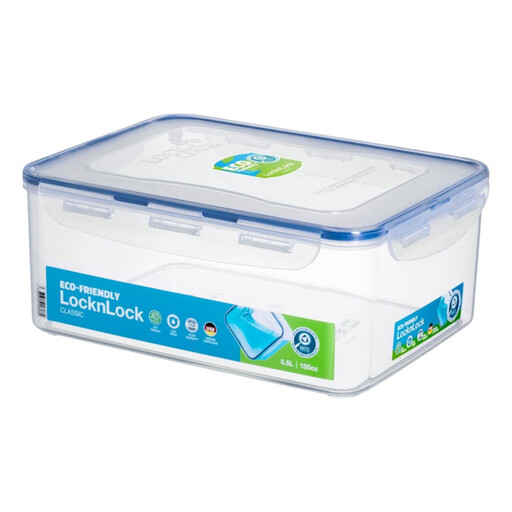
Why This Fits Their Persona: Ideal for families or anyone storing large quantities of food like vegetables, fruits, or dry goods. The large volume and stackable design create order in the fridge or pantry.
The high-quality, BPA-free PP material is odour-neutral and resistant to staining. The integrated draining tray keeps delicate foods like lettuce or berries away from condensation, extending their freshness.
The large 5.5-litre capacity combined with the draining grid makes this container a specialised solution for keeping large quantities of fruits and vegetables fresh.
We've compiled a complete, up-to-date list of products that fully meet these strict selection criteria and safety regulations.
The best way to prevent odours and stains is to clean the container immediately after use. For stubborn smells, a paste of baking soda and water can help. Apply it to the inside, let it sit for a few hours, and then rinse the container thoroughly. Allowing it to air dry completely before sealing is also important.
The "BPA-free" label is a good starting point. For added safety, you should choose products from established manufacturers that provide transparent information about the materials used. Polypropylene (PP) is considered a stable and safe material for food contact and is used in many high-quality food storage container sets.
It is generally recommended to let very hot food cool for a few minutes before placing it in a plastic container and sealing it tightly. This prevents a strong vacuum from forming as the air cools, which can make the lid difficult to open. It also protects the material and minimises the risk of warping over time.