
Lieferung heute & morgen

Qualitätsgarantie

Willkommens-Angebote freischalten: KOSTENLOSE Lieferung | Bis zu 80 % RABATT | Kostenlose 30-Tage-JoyPlus-Testphase
App herunterladen
Finding the right food storage containers can quickly become overwhelming. The market is flooded with promises of lasting freshness, absolute leak-proof performance, and endless versatility. But often, after just a few weeks, that expensive purchase turns out to be a mistake: the lid warps, the material absorbs odours, or the container is simply unsuitable for its intended purpose. As your Joybuy Product Recommendation Officer, I'm here to help you navigate these common pitfalls and make an informed decision.
The three most common problems that lead to frustration and unnecessary expense are:
To avoid these issues, it's crucial to focus on verifiable product features rather than marketing buzzwords.
Before making a purchase, you should evaluate three core aspects. These determine the longevity, safety, and practical, everyday usability of your containers.
Choosing the material is the most fundamental decision and depends directly on your intended use.
A good seal is the core feature of any leak-proof food container. A simple snap-on lid is sufficient for dry foods, but for liquids or transport, a system with locking clips and a silicone gasket is essential.
Check the manufacturer's specifications carefully to verify the advertised versatility.
Instead of a one-size-fits-all recommendation, we present models tailored to specific user profiles.
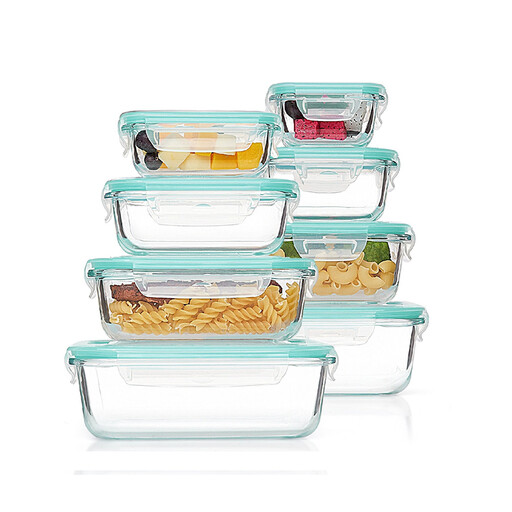
Why This Fits Their Persona: Anyone starting with meal prep needs a flexible starter kit. This storage container set offers eight different sizes for main courses, side dishes, and snacks. The glass material is hygienic and stain-proof, perfect for experimenting with various recipes.
It sidesteps the "misleading material claims" trap. The borosilicate glass used is genuinely suitable for high temperatures in the oven and cold in the freezer, offering true versatility.
Comprehensive set with 8 sizes (150 ml to 1040 ml). The container is oven, microwave, and freezer safe.
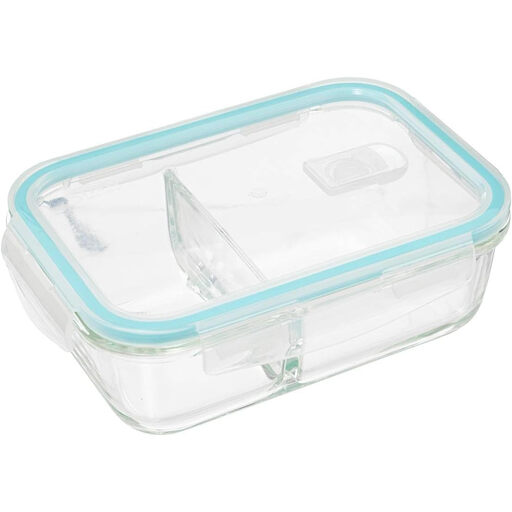
Why This Fits Their Persona: Perfect for lunch at the office. The compartments in this lunch box keep the main course and side dish neatly separated. The glass allows for direct reheating in the microwave without flavour transfer or concerns about chemicals.
This model solves the "leak-proof myth." The polypropylene lid with a silicone gasket is designed for a tight fit, and the compartments prevent unwanted mixing of food during transport.
Practical compartments for organised meals. The body, made of borosilicate glass, is dishwasher-safe and robust.
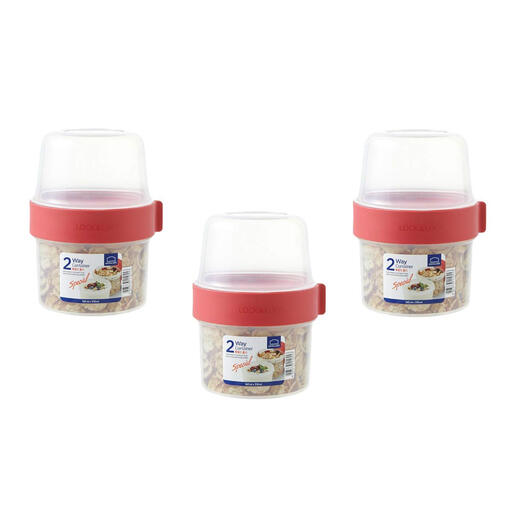
Why This Fits Their Persona: Perfect for anyone who wants to transport yoghurt and granola, salad and dressing, or veggies and dip separately. The lightweight, BPA-free plastic material makes it the ideal companion for the office, school, or travel.
This system solves the classic "soggy cereal" problem. Instead of an unsuitable all-purpose container, it offers a clever 2-in-1 design specifically engineered for keeping wet and dry ingredients separate.
Two separate chambers per container (360 ml and 310 ml) with a twist-lock lid. Lightweight, shatter-proof, and dishwasher-safe.
We have compiled a complete, up-to-date list of products that fully meet these strict selection criteria and safety regulations.
1. Are glass food storage containers really better than plastic ones? It's less about "better" and more about the right tool for the job. Glass food storage containers, especially those made from borosilicate glass, are unrivalled in terms of heat resistance (oven-safe), hygiene (no stains or odours), and longevity. However, they are heavier and can break. Plastic containers are lightweight, shatter-resistant, and therefore ideal for transport, as a leak-proof lunch box, or for kids. The choice depends on whether you'll be using the container primarily at home or on the go.
2. How do I clean food storage containers properly to prevent odours? With plastic containers, you should avoid storing strongly staining or smelling foods (e.g., tomato sauce, curry) for several days. Rinse them out promptly. For stubborn odours, a paste of baking soda and water can help. This issue rarely occurs with glass containers. It's important to regularly clean the removable silicone gasket from the lid separately to prevent mould growth. Always check if all parts are dishwasher-safe.
3. What does "BPA-free" mean for food containers, and is it enough?BPA (Bisphenol A) is an industrial chemical formerly used in some plastics that raised health concerns. The "BPA-free food storage containers" label guarantees that this substance is not present, which is an important standard today. However, high-quality products go a step further by using stable and durable plastics like polypropylene (PP) or Tritan, which are known for their food-grade safety and robustness. So, look not only for the BPA-free label but also for the overall quality of the material.