
Lieferung heute & morgen

Qualitätsgarantie

Willkommens-Angebote freischalten: KOSTENLOSE Lieferung | Bis zu 80 % RABATT | Kostenlose 30-Tage-JoyPlus-Testphase
App herunterladen
The right food storage containers can significantly simplify kitchen organisation, reduce food waste, and make meal prep easier. However, the market is saturated, and many products fail to live up to their advertising claims. As a Joybuy Product Recommendation Officer, I'm here to help you separate the wheat from the chaff and find containers that reliably get the job done. We'll highlight the most common flaws and show you which criteria truly matter.
Many people invest in a new food storage container set only to find that the products fail in everyday use. These three problems are especially common:
To avoid these pitfalls, you should check three core features before buying. These define the longevity and functionality of your new pantry containers and meal prep containers.
Each material has specific pros and cons that make it suitable for different purposes.
A reliable lock is the heart of a good food storage container. A four-sided locking system combined with a silicone gasket has proven to be particularly effective. This design presses the lid evenly onto the container's rim, creating a truly airtight and leak-proof seal. The silicone gasket should be removable for thorough cleaning to prevent mould growth.
For efficient organisation, shape and stackability are crucial. Rectangular or square containers make optimal use of space in cupboards, drawers, and the fridge. A well-designed modular system allows containers of different sizes to be stacked stably and securely without slipping. This creates clarity and maximises available storage space.
Based on the quality criteria mentioned, we have identified several products suitable for specific user groups.
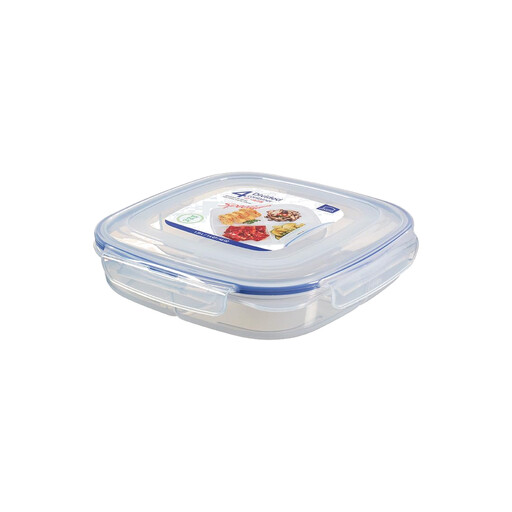
Why This Fits Their Persona: Ideal for weekly meal prepping. The integrated dividers allow you to transport a main course and sides neatly separated in a single container, without flavours mixing. The set provides a great foundation for several days.
The 4-sided locking system with a silicone gasket ensures a reliable seal. The BPA-free polypropylene is designed for the microwave and dishwasher, resisting warping and odours.
Integrated dividers for organised meals. The set is microwave-safe (lid loose), freezer-safe, and dishwasher-safe.
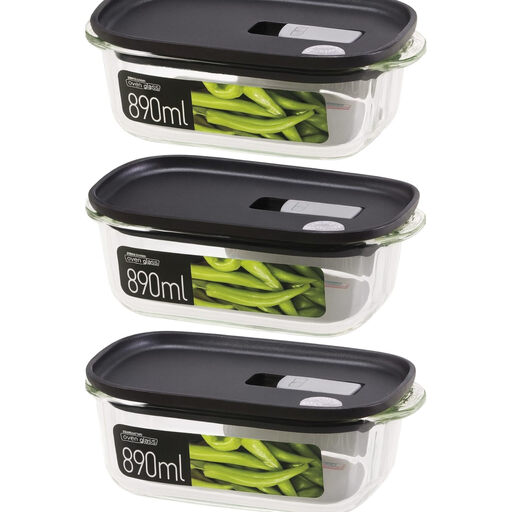
Why This Fits Their Persona: For those who value material quality and versatility. The glass is oven-safe, making it perfect for baking casseroles, storing leftovers, and serving directly at the table. It's the hygienic and durable solution.
Glass naturally resists stains and odours, solving the problem of material degradation. The lid features a steam vent for safe heating in the microwave.
Oven-safe glass (without lid) for maximum flexibility. The set is also freezer-, microwave-, and dishwasher-safe.
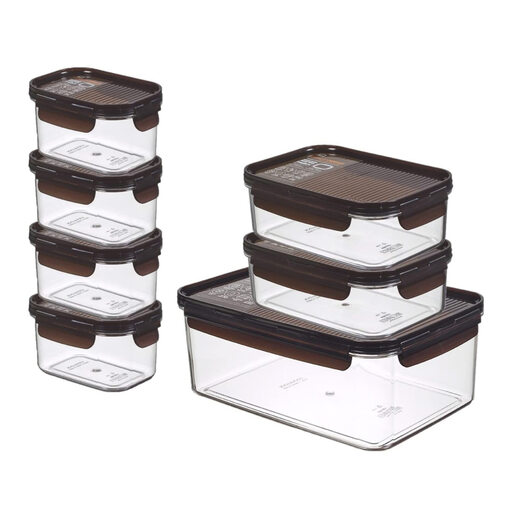
Why This Fits Their Persona: This comprehensive set covers all daily needs—from small snack boxes to large pantry containers. It's the practical starter kit for households looking for a reliable and uniform solution for leftovers, pantry storage, and lunch boxes.
Made from high-quality, scratch- and shatter-resistant Tritan plastic that resists stains and odour build-up. The modular design ensures stable and space-saving stacking.
Comprehensive 7-piece food storage container set made from durable, BPA-free Tritan. The various sizes offer high flexibility for diverse use cases.
We have compiled a complete, up-to-date list of products that fully meet these strict selection criteria and German safety standards.
Yes, as long as they are made from high-quality materials and are labelled accordingly. Look for the BPA-free (Bisphenol-A-free) designation. Materials like polypropylene (PP) or Tritan are considered safe for food contact with proper use and do not release harmful substances. Avoid overheating highly oily or sugary foods in plastic containers in the microwave, as this can exceed the material's temperature limits.
For hygienic cleaning, the silicone gasket should be regularly removed from the lid. Wash the gasket and the groove in the lid by hand with warm, soapy water. For stubborn odours, a short soak in a mixture of water and vinegar can help. It is important that both the gasket and the lid are completely dry before you reassemble them.
No, this should be avoided. The abrupt temperature change from extreme cold to high heat can cause thermal shock, which can make the glass shatter. Let the glass freezer container sit at room temperature for a few minutes before placing it in a cold or only slightly preheated oven. Always remove the plastic lid before using the glass container in the oven.