
Lieferung heute & morgen

Qualitätsgarantie

Willkommens-Angebote freischalten: KOSTENLOSE Lieferung | Bis zu 80 % RABATT | Kostenlose 30-Tage-JoyPlus-Testphase
App herunterladen
A well-organized kitchen starts with the right storage. High-quality food storage containers not only keep food fresh and flavourful for longer, but they also help reduce food waste and bring structure to your daily routine. However, the market is saturated, and many products don't live up to their promises. As your Joybuy Product Recommendation Officer, I will filter the essential information for you, so you can make an informed decision and avoid common purchasing pitfalls.
It's a familiar story: the brand-new container starts leaking after a few weeks, the plastic is stained, or the lid no longer closes properly. These problems are often due to design and material weaknesses that aren't apparent at first glance.
To avoid the pitfalls mentioned above, you should check three core parameters before buying. These define the quality, durability, and safety of your new food storage containers.
The material question is the most fundamental decision. Both options have specific advantages and disadvantages.
A reliable seal is the heart of any good food storage container. It determines whether a container is truly airtight and leak-proof.
Check the symbols on the product or in the description for suitability for:
Based on these criteria, we have identified some products that are suitable for specific user groups.
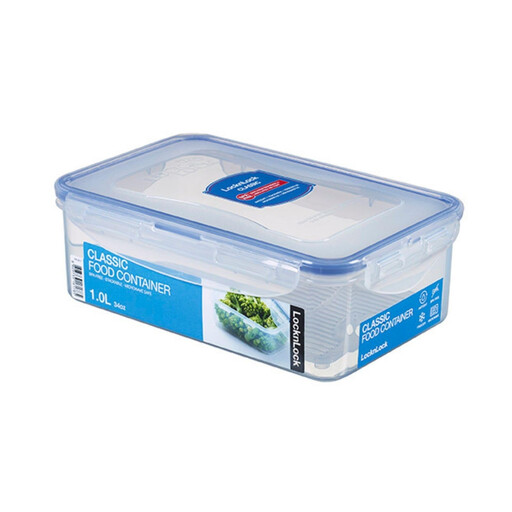
Why it's a good fit: Perfect for preparing meals for the entire week. The lightweight yet robust BPA-free polypropylene makes transport effortless. Its stackability saves valuable space in the fridge and your bag. Being microwave, freezer, and dishwasher safe covers all steps of the meal prep process.
The patented four-sided locking system with a hollow-centre silicone seal prevents the "Airtight" trap and ensures proven leak-proof performance, even with soups.
The combination of low weight, stackability, and a reliably tight seal makes this model a workhorse for daily organization.
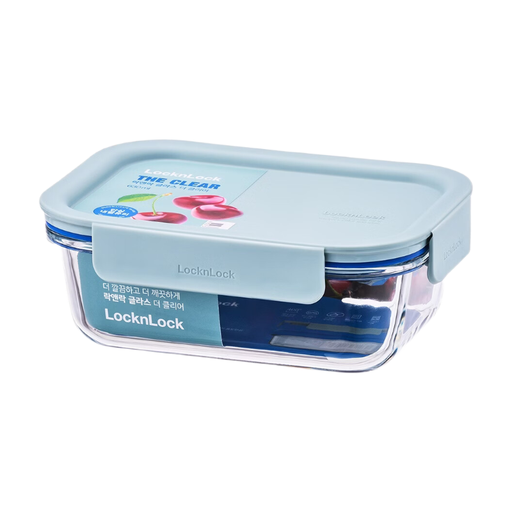
Why it's a good fit: For those who want to serve straight from the oven to the table and store leftovers without staining. The borosilicate glass is extremely versatile and resilient. It doesn't absorb odours or stains from foods like curries or tomato sauces, remaining hygienic and clear even after years of use.
This model solves the "Material Mismatch" trap as it is designed for high temperatures in the oven (up to 400°C without the lid). The glass is non-porous and therefore naturally resistant to stains and odours.
Maximum versatility: Freeze, bake in the oven, reheat in the microwave, and serve in style—all with a single container.
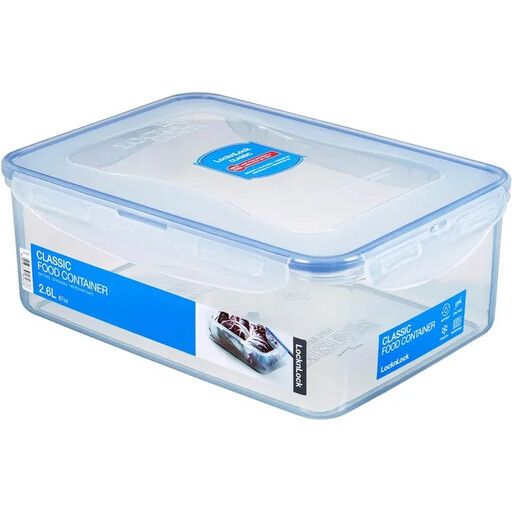
Why it's a good fit: With a 2.6-litre capacity, this container is ideal for storing family-sized portions, large salads, or transporting a cake to a picnic. The integrated handle makes it much easier to carry, especially when the container is full and heavy. It also works perfectly as a pantry container for flour or cereal.
Large containers are often unwieldy and their lids can warp easily. This model combines a large volume with a sturdy handle and the proven, completely tight locking system, making it a secure transport solution.
The combination of large capacity, a convenient carrying handle, and a completely reliable, leak-proof seal.
We have compiled a complete, up-to-date list of products that fully meet these strict selection criteria and German and EU safety regulations.
For plastic containers, a paste of baking soda and water can help remove stubborn odours and stains. Let the paste sit for a few hours before rinsing it out. Glass containers are less prone to odours and can usually be cleaned easily in the dishwasher or by hand. As a general rule, always store the containers without their lids when not in use to allow any residual moisture to escape.
No, not necessarily. BPA-free (Bisphenol A-free) is an important quality feature that you should actively look for. Reputable manufacturers label their products accordingly on the packaging or the product itself. All plastic products featured here meet this standard.
It is recommended to let food cool slightly before storing. This is especially true for plastic containers, as extreme heat can cause slight warping and reduce the material's lifespan. This is less critical for borosilicate glass, but extreme thermal shock (e.g., placing a hot container on a cold, wet surface) should be avoided to minimize the risk of the glass cracking.