
Lieferung heute & morgen

Qualitätsgarantie

Willkommens-Angebote freischalten: KOSTENLOSE Lieferung | Bis zu 80 % RABATT | Kostenlose 30-Tage-JoyPlus-Testphase
App herunterladen
A good food storage container is an indispensable tool in any kitchen. It keeps food fresh for longer, brings order to your fridge, and is the foundation of successful meal prep. But the market is saturated, and many products fail to deliver on their promises. We’ve all been there: tomato sauce leaves stubborn stains, the lid warps after the first run in the dishwasher, or the supposedly sealed container leaks in your bag.
As a Joybuy Product Recommendation Officer, I see every day which features make a product truly practical for everyday use. This guide will help you avoid common purchasing mistakes and find a food storage container or food storage container set that meets your needs.
Before you invest, you should be aware of the three most common weaknesses that cause frustration with low-quality containers:
To make the right decision, focus on these three objective criteria. They determine durability, safety, and functionality.
The choice of material is fundamental and depends on your intended use.
An airtight lid is the most critical feature. There are significant differences in quality:
The shape affects how efficiently you can use space in your cupboard, fridge, and bag.
Here are some recommendations tailored to specific user profiles that meet the quality criteria mentioned above.
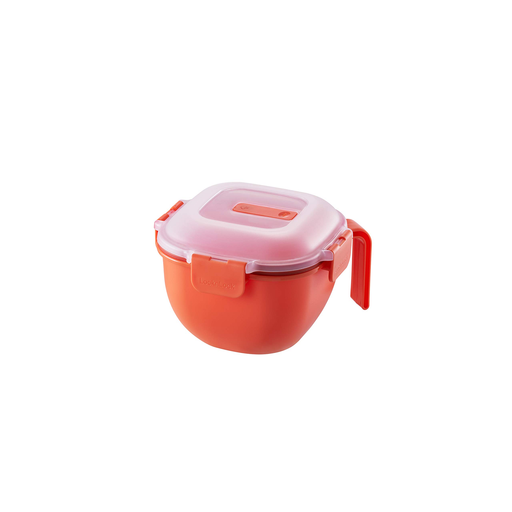
Why This Fits Their Persona: Ideal for professionals who heat up their lunch at the office. The meal can be heated and served directly in the container, eliminating the need for extra dishes.
The integrated steam vent in the lid prevents the material from warping due to heat build-up and stops splatters in the microwave—a common problem with unsuitable containers.
Specifically designed for the microwave (heat-resistant up to 140°C), BPA-free polypropylene, dishwasher-safe.
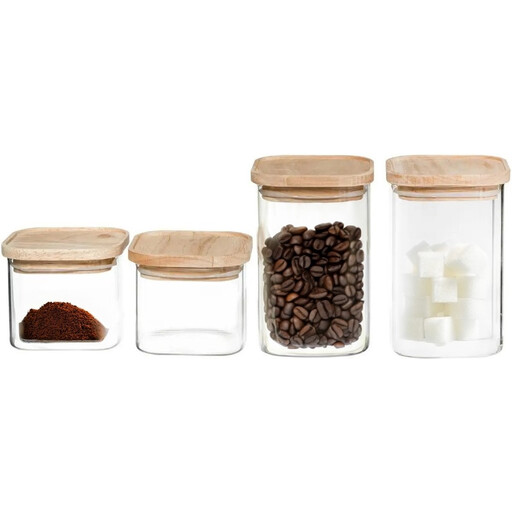
Why This Fits Their Persona: Perfect for anyone who wants to store dry goods like pasta, rice, flour, or cereal in a clear and stylish way in their kitchen or pantry.
The borosilicate glass is completely odourless and neutral in taste. Unlike plastic, it doesn't absorb aromas from spices and will not stain. The jars are dishwasher-safe, ensuring hygienic cleaning.
High-quality, non-staining glass, uniform design for an organised look, lids made from FSC-certified wood.
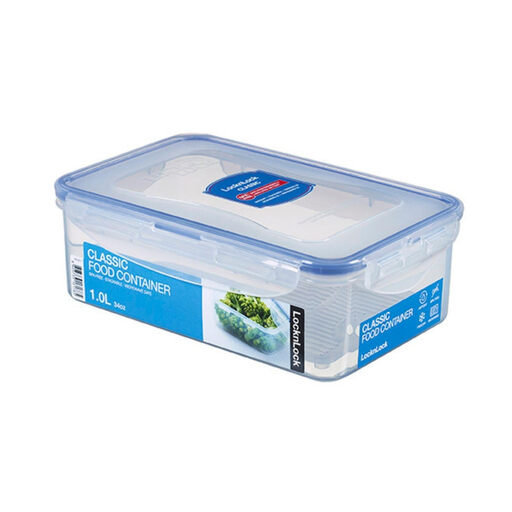
Why This Fits Their Persona: For users who regularly transport liquids like soups, stews, or salad dressings and want to take absolutely no risks. Ideal for commuters, picnics, or freezing meals.
This model debunks the "leaky container" myth with its patented locking system. The four-sided safety lock with a dual-chamber silicone seal is proven to be 100% airtight and waterproof.
Extremely leak-proof seal, versatile use (freezer- and microwave-safe without lid), durable and BPA-free material.
We have compiled a complete, up-to-date list of products that fully meet these strict selection criteria and safety standards.
BPA stands for Bisphenol A, a chemical compound used in the production of certain plastics (e.g., polycarbonate). It is suspected that BPA can leach from plastic into food and potentially interfere with the human endocrine system. "BPA-free" means that the food container was manufactured without this chemical. This is a crucial quality mark for products that come into contact with food.
To ensure longevity and prevent mould growth, the silicone seals should be cleaned regularly. On many high-quality containers, like those from LocknLock, the sealing ring can be easily lifted out of the lid. Wash it by hand with warm water and mild washing-up liquid, and let it dry completely before putting it back in.
No plastic is 100% immune to staining from highly pigmented foods like tomatoes, curry, or beetroot. However, high-quality, BPA-free polypropylene (PP) is significantly more resistant than cheaper materials. To minimise staining, rinse the container immediately after use. If you want to avoid stains entirely, glass food containers are your safest bet.