
Lieferung heute & morgen

Qualitätsgarantie

Willkommens-Angebote freischalten: KOSTENLOSE Lieferung | Bis zu 80 % RABATT | Kostenlose 30-Tage-JoyPlus-Testphase
App herunterladen
A well-organised kitchen and fresh food are the foundation of a healthy diet and a stress-free daily routine. A high-quality food storage container set is an indispensable tool in achieving this. However, the market is flooded with products that often fail to deliver on their promises in practice. Leaking sauces in your bag, containers warping in the dishwasher, or lids that break after a short time—these problems are all too common.
As your Joybuy Product Recommendation Officer, I'm here to help you identify the common pitfalls of purchasing and make an informed decision. We'll focus on the objective features that define a great food container, cutting through the marketing hype.
Many buyers experience disappointment shortly after their purchase. Watch out for these three weak points to avoid a bad investment:
To avoid the problems mentioned above, you should check three key parameters. These define the quality and longevity of your new food storage container set.
The material is crucial for both safety and durability. Most high-quality plastic food containers are made from polypropylene (PP). This material is robust, heat-resistant, and lightweight.
Always look for the BPA-free label. Bisphenol A (BPA) is a chemical compound found in some plastics that can leach into food when heated. A lunch box that is BPA-free ensures that no unwanted substances get into your meals, especially when using the containers to reheat food in the microwave.
The effectiveness of a food storage container depends on its seal. A reliable system consists of two components:
A good set must adapt flexibly to your lifestyle.
Here are some recommendations tailored to specific needs that meet the quality criteria mentioned above.
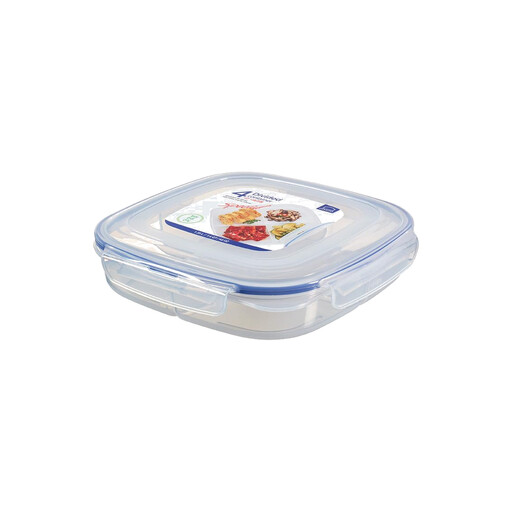
Why It's a Match: Perfect for preparing complete meals. The integrated dividers keep components like salad and dressing or a main course and side dish neatly separated until it's time to eat. The set allows for structured weekly planning.
The 4-sided locking system with a silicone seal reliably prevents leaks and flavour mixing—a clear solution to the problem of leaky lids.
BPA-free polypropylene, suitable for the microwave (up to 120°C), freezer (down to -20°C), and dishwasher. The dividers offer maximum flexibility.
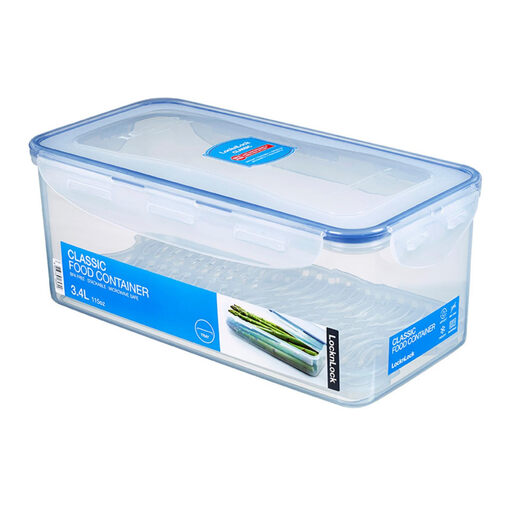
Why It's a Match: With a 3.4-litre capacity, this container is ideal for large portions, family leftovers, or storing salads and vegetables. Its stackable design optimises kitchen space.
The robust polypropylene material resists warping in the dishwasher and is designed for long-term use, unlike thin-walled, budget products.
Large volume (3.4 L), completely airtight and waterproof. According to the manufacturer, the latch durability is rated for over 3 million cycles.
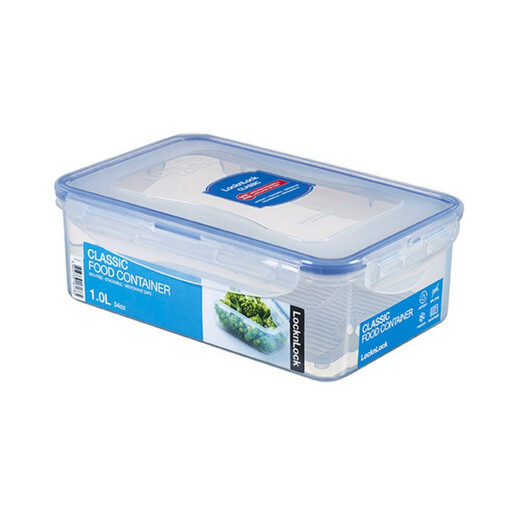
Why It's a Match: With a 1.0-litre capacity, this container is the perfect size for a lunch break. It's compact enough for a backpack or bag while still offering enough space for a full meal.
The patented 4-sided locking system ensures that even soups or sauces can be transported securely. Worries about a leaky bag are a thing of the past.
Compact, nestable design for space-saving storage. Completely airtight and waterproof, BPA-free, and suitable for all everyday temperature ranges.
We have compiled a complete, up-to-date list of products that fully meet these strict selection criteria and safety standards.
Rinse the containers with cold water immediately after use before washing them with warm water and dish soap. This helps minimise staining from pigments (e.g., from carrots or tomatoes). For stubborn odours, letting the container sit overnight with a mixture of water and vinegar or baking soda can help. The silicone gasket should be removed and cleaned separately on a regular basis.
No. Only containers explicitly labelled as microwave-safe should be used for heating. Always follow the manufacturer's instructions: the lid usually needs to be removed or at least vented to allow steam to escape. Do not overheat foods high in oil or sugar, as they can exceed the material's temperature limit and cause damage.
BPA-free means the plastic was manufactured without the chemical Bisphenol A. This substance is suspected of being harmful to health, especially when it leaches from the material due to heat or acidic foods. For kitchen storage containers that come into direct contact with food, being BPA-free is a critical safety feature.