
Lieferung heute & morgen

Qualitätsgarantie

Willkommens-Angebote freischalten: KOSTENLOSE Lieferung | Bis zu 80 % RABATT | Kostenlose 30-Tage-JoyPlus-Testphase
App herunterladen
A well-organised kitchen is the foundation for efficient home management and a healthy diet. But mismatched containers often lead to a cluttered fridge, freezer burn on your food, or a messy commute with your lunch. The right food storage containers can remedy this by keeping food fresh for longer, simplifying meal prep, and ensuring your cupboards and fridge stay tidy.
This article serves as your guide. As a Joybuy Product Recommendation Officer, I will introduce a selection of functional solutions and explain the key criteria to consider when making your choice. The goal is to provide you with an objective basis for your decision.
The selection of kitchen storage containers is vast. To find the right models for your needs, there are three key aspects to consider.
The material is a crucial factor for the durability and safety of storage containers. High-quality plastic like polypropylene (PP) is a common choice as it is robust, lightweight, and versatile. Look for the BPA-free label. This indicates that the plastic was made without Bisphenol A, an industrial chemical found in some plastics. BPA-free containers are therefore a standard choice for storing food, including baby food.
A reliable lid is the core feature of a good food storage container. An airtight seal protects the contents from air and moisture, which extends the shelf life of food and preserves flavours. This is especially important for preventing odours from transferring in the fridge, for instance when storing cheese or fish. For transporting soups or sauces, a completely leak-proof design is essential. Patented locking clips with silicone gaskets often offer the highest level of reliability.
Consider what you will primarily use the containers for.
Based on the criteria mentioned, we have curated a selection of functional food storage containers suitable for various purposes.
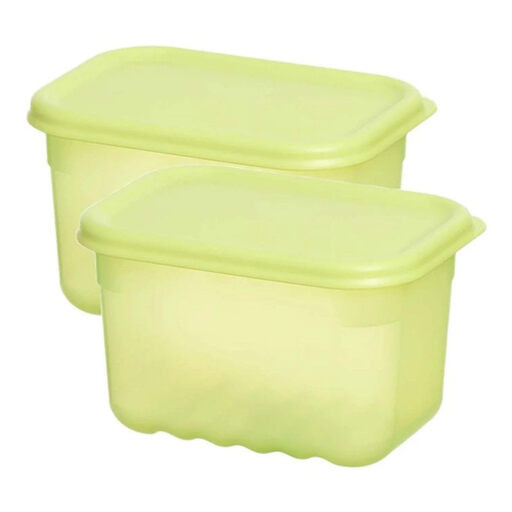
Why it stands out: This container was specifically designed for the long-term storage of fruit and vegetables. According to the manufacturer, its "Breath Care Fresh Solution" with ethylene absorption can keep food fresh for up to 31 days longer.
Pros:
Who it's for: Individuals who regularly buy fresh fruit and vegetables and want to reduce food waste by extending shelf life.
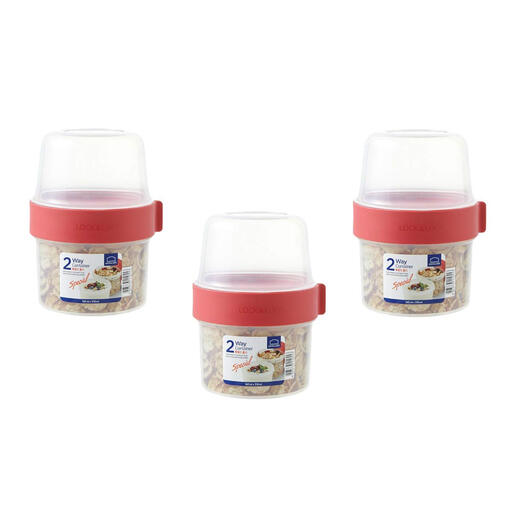
Why it stands out: This cereal-to-go cup impresses with its 2-in-1 design. A lower container (360 ml) and an upper container (310 ml) are separated by a divider in the screw-on lid. This keeps cereal and yoghurt or snacks and dips separate and fresh until you're ready to eat.
Pros:
Who it's for: Professionals, students, and anyone who prepares a healthy breakfast or snack to go and values crispness and freshness.
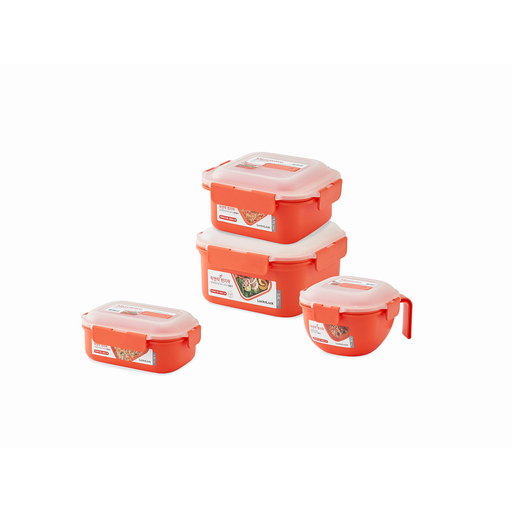
Why it stands out: This storage container set is designed as a microwave-safe container with a lid. An integrated steam vent in the lid allows steam to escape in a controlled manner during heating, which promotes even cooking and prevents messes in the microwave.
Pros:
Who it's for: Ideal for people who regularly reheat leftovers or prepare meals for the office (meal prep containers) and are looking for a hassle-free microwave solution.
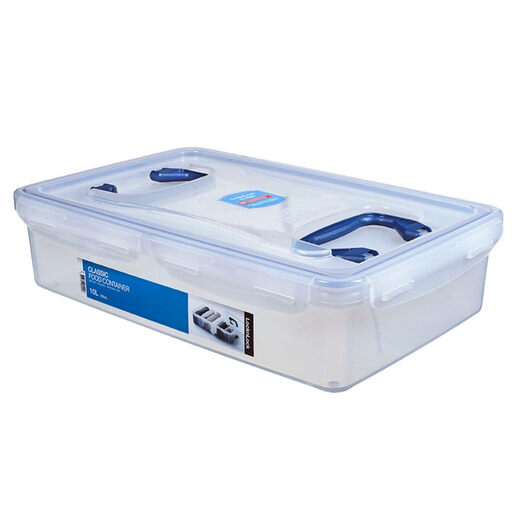
Why it stands out: With a 10-litre capacity, this box is a solution for storing large quantities. Whether for stocking up on dry goods, freezing bulk purchases, or marinating food for a barbecue, this box combines high volume with practical handling.
Pros:
Who it's for: Families, large households, and anyone who needs to store, freeze, or transport large quantities of food.
The right storage solution can bring order to more than just your kitchen. If you're looking for other ways to organise drawers and cupboards throughout your home, you might find the perfect product in our wider selection.
Discover more Plastic Drawer Organiser Bins here.
BPA-free means that the chemical Bisphenol A was not used in the manufacturing of the plastic. Containers with this label are considered a standard choice for direct contact with food, as no BPA particles can leach into your meals.
For daily cleaning, most containers are dishwasher-safe. For stubborn odours or stains (e.g., from tomato sauce), it can help to fill the container with a mixture of warm water and baking soda or vinegar and let it sit for a few hours. Then, rinse it thoroughly. It is also important to let the containers and lids dry completely before sealing them.
No, not all plastics are suitable for the microwave. Always check the manufacturer's instructions. Containers labelled as microwave-safe are made from heat-resistant material. It is generally recommended to remove or at least open the lid when heating to allow steam to escape, unless it is a special microwave-safe container with a lid and a steam vent.