
Lieferung heute & morgen

Qualitätsgarantie

Willkommens-Angebote freischalten: KOSTENLOSE Lieferung | Bis zu 80 % RABATT | Kostenlose 30-Tage-JoyPlus-Testphase
App herunterladen
A well-organised kitchen and fresh ingredients are the foundation of a healthy diet. But too often, leftovers end up in the bin, or a pre-packed lunch loses its appeal by midday. The right food storage containers help keep food fresh for longer, transport meals securely, and bring order to your fridge.
This guide offers practical advice to help you make an informed decision for your household. We'll explain the key criteria to consider when choosing food storage containers and showcase different models for various needs.
The range of available containers is vast. To find the right model for you, three aspects are particularly important: the material, its functionality, and the locking mechanism.
Modern plastic food storage containers are typically made from polypropylene (PP). This material is lightweight, shatterproof, and durable. A crucial quality indicator is the "BPA-free" label. BPA (Bisphenol A) is an industrial chemical found in some plastics. For products that come into contact with food, especially a BPA-free lunch box or microwave-safe dishes with lids, the absence of this substance is a key factor for food safety. Always check the manufacturer's specifications to ensure the containers are safe for food contact.
Not every container is suitable for every purpose. Before buying, consider what you will primarily use the container for:
A reliable seal is the core feature of a good food storage container. It not only prevents liquids from leaking but also locks in aromas and keeps air out, which extends the shelf life of your food. Common systems include screw-top lids, which offer a good seal, and locking clips. Brands like LocknLock containers are renowned for their patented four-hinge locking systems and silicone seals, which guarantee an exceptionally tight closure.
Based on functionality and material properties, we've selected a few models to meet different everyday needs.
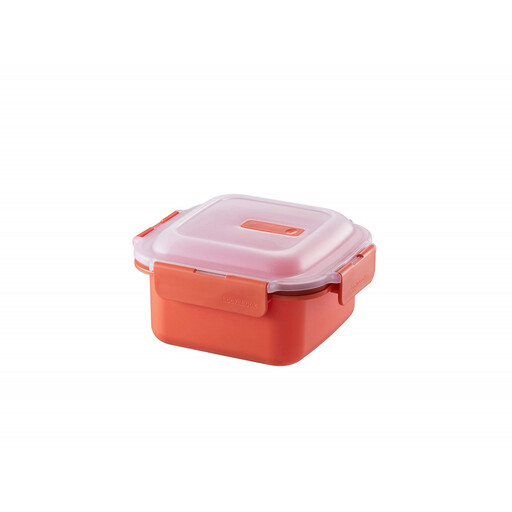
Why It Stands Out This container is specifically designed for microwave use. The integrated steam vent in the lid allows you to heat food without removing the cover, preventing splatters and ensuring even results.
Key Features
Who It's For Ideal for professionals and students who want to heat their prepped meals directly in the container at work or home, without needing to transfer them to another dish.
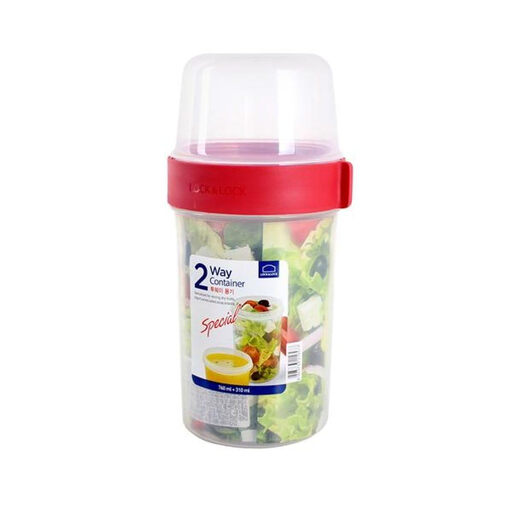
Why It Stands Out The clever 2-in-1 design with two separate, screw-on containers (760 ml and 310 ml) makes this cup the perfect solution for life on the go. Ingredients stay separate and fresh until you're ready to combine them.
Key Features
Who It's For Perfect for anyone who wants to take a healthy breakfast or snack on the go without the ingredients getting mixed and soggy. A classic on-the-go cereal cup.
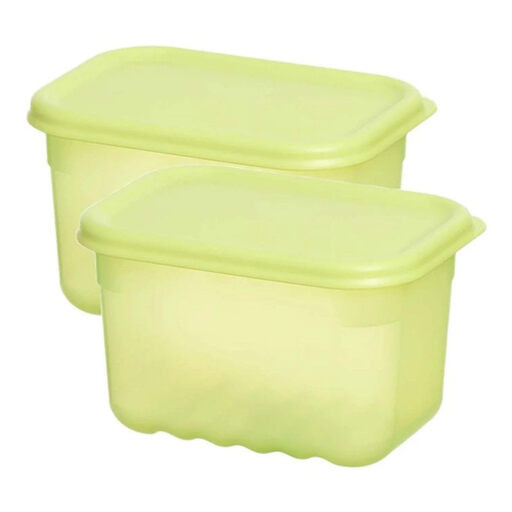
Why It Stands Out This container specialises in extending the freshness of fruits and vegetables. According to the manufacturer, its "Breath Care Fresh Solution" absorbs ethylene gas, which can prolong the life of fresh produce.
Key Features
Who It's For For health-conscious households and families who want to reduce food waste and maximise the freshness of their groceries.
The models featured here cover common use cases. If you're looking for a different shape, such as containers for cold cuts or specific baking ingredients, you can find a wider selection in our oval plastic containers category.
1. Are plastic food storage containers safe for the microwave? Yes, as long as they are explicitly labelled as "microwave-safe" by the manufacturer. It's important to look for this label and follow the instructions. Often, the lid must be removed or a vent opened. Containers declared as BPA-free do not release unwanted substances into the food when heated.
2. What's the best way to clean food storage containers to avoid odours? Most high-quality plastic containers are dishwasher-safe, which makes cleaning much easier. For stubborn odours, such as from onions or heavily spiced dishes, it can help to scrub the container with a paste of baking soda and water and let it sit for a few hours. It's important to let all parts dry completely after cleaning before sealing and storing them.
3. What does "BPA-free" mean for food storage containers? "BPA-free" means the product was made without the chemical Bisphenol A. In the past, BPA was used in the production of polycarbonate plastics and epoxy resins. Due to health concerns about it leaching into food, it has become standard for many food container manufacturers to use BPA-free materials like polypropylene (PP) or Tritan.