
Lieferung heute & morgen

Qualitätsgarantie

Willkommens-Angebote freischalten: KOSTENLOSE Lieferung | Bis zu 80 % RABATT | Kostenlose 30-Tage-JoyPlus-Testphase
App herunterladen
Whether you want to reduce food waste, prep meals for the week, or simply organize your fridge, the right food storage containers are essential. But the selection is vast: glass or plastic, round or rectangular, with a simple lid or a special locking system. This guide will help you understand the functional differences and make an informed decision that suits your lifestyle. We'll introduce a selection of models whose specific features make them ideal for various applications.
To find the right containers for your needs, there are a few key criteria to consider. These features determine how versatile, durable, and practical the containers will be in your daily routine.
The choice between glass and plastic is often the first and most important one. Both materials offer distinct advantages.
A good seal is crucial for keeping food fresh. There are two key properties to look for:
Practical extra features can make daily use much easier.
Based on material, functionality, and specific use cases, we have curated a few top models for you.
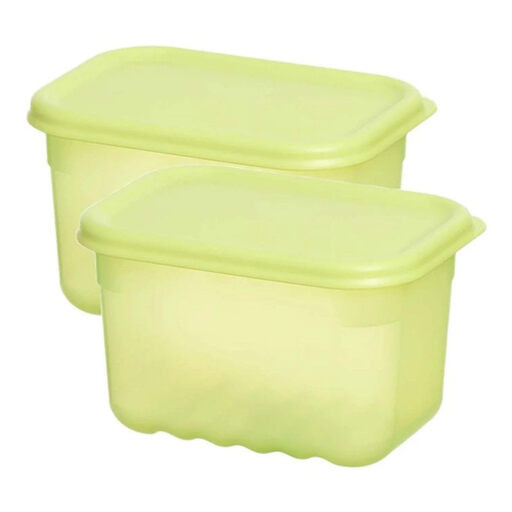
Why It Stands Out This model is specially designed for the long-term storage of fruits and vegetables. According to the manufacturer, its "Breath Care Fresh Solution" with ethylene absorption keeps food fresh for up to 31 days longer.
Advantages
Who Is It For? For individuals who regularly buy fresh fruits and vegetables and want to maximize their shelf life in the fridge to reduce food waste.
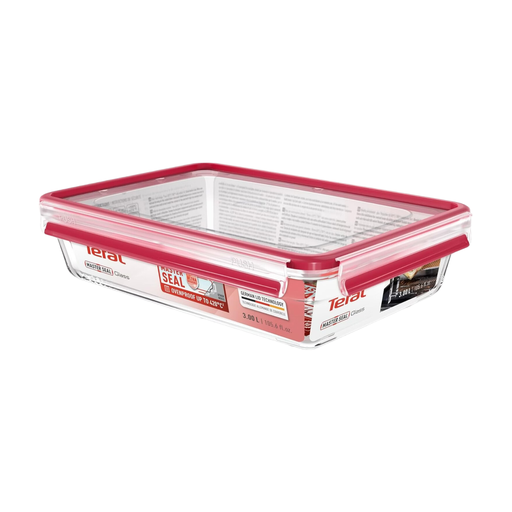
Why It Stands Out This glass food storage container stands out for its extreme temperature resistance, from -40°C to 420°C. It can go directly from the freezer to the oven (without the lid), making it an incredibly versatile kitchen tool.
Advantages
Who Is It For? For households looking for an all-in-one solution for cooking, baking, storing, and freezing, and who prefer the durability and hygiene of glass.
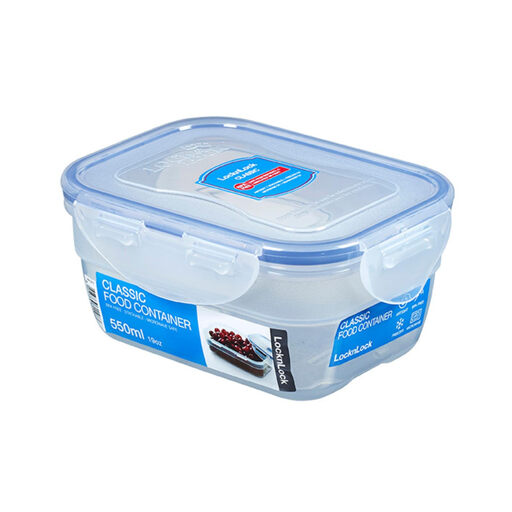
Why It Stands Out The patented four-sided locking system with a dual-chamber silicone seal makes this box 100% airtight and watertight. This makes it a reliable choice for transporting meals, including liquids.
Advantages
Who Is It For? Perfect for professionals who meal prep, for kids' school lunches, or for picnics. Its compact size and secure lock make it the ideal on-the-go companion.
The models featured here cover many use cases. However, if you're looking for different sizes, shapes, or a complete food storage container set, there are more options available.
Looking for other sizes or specific designs? Explore our comprehensive selection of stackable locking containers to find the perfect organizational solution for your kitchen.
1. What is the difference between airtight and leak-proof food storage containers?Airtight means that no air can get into or out of the container. This protects food from oxidation and keeps it fresh longer. Leak-proof is a higher level of sealing that also prevents liquids from escaping. All leak-proof containers are also airtight, but not all airtight containers are necessarily leak-proof.
2. Are glass or plastic food storage containers better? There's no one-size-fits-all answer; it depends on the intended use. Glass is ideal for home use, as it is heat-resistant (oven-safe), hygienic, and flavor-neutral. Plastic is the better choice for on-the-go, as it is lightweight and shatterproof. With plastic, always look for the BPA-free label.
3. How do you clean food storage containers properly to prevent odours? Rinse the containers immediately after use. Stubborn odours or stains (e.g., from tomato sauce) can often be removed with a paste made of baking soda and water. Let the paste sit for a few hours, then rinse it out thoroughly. Store the containers and lids separately to allow for air circulation and prevent lingering odours.